

Series MPA
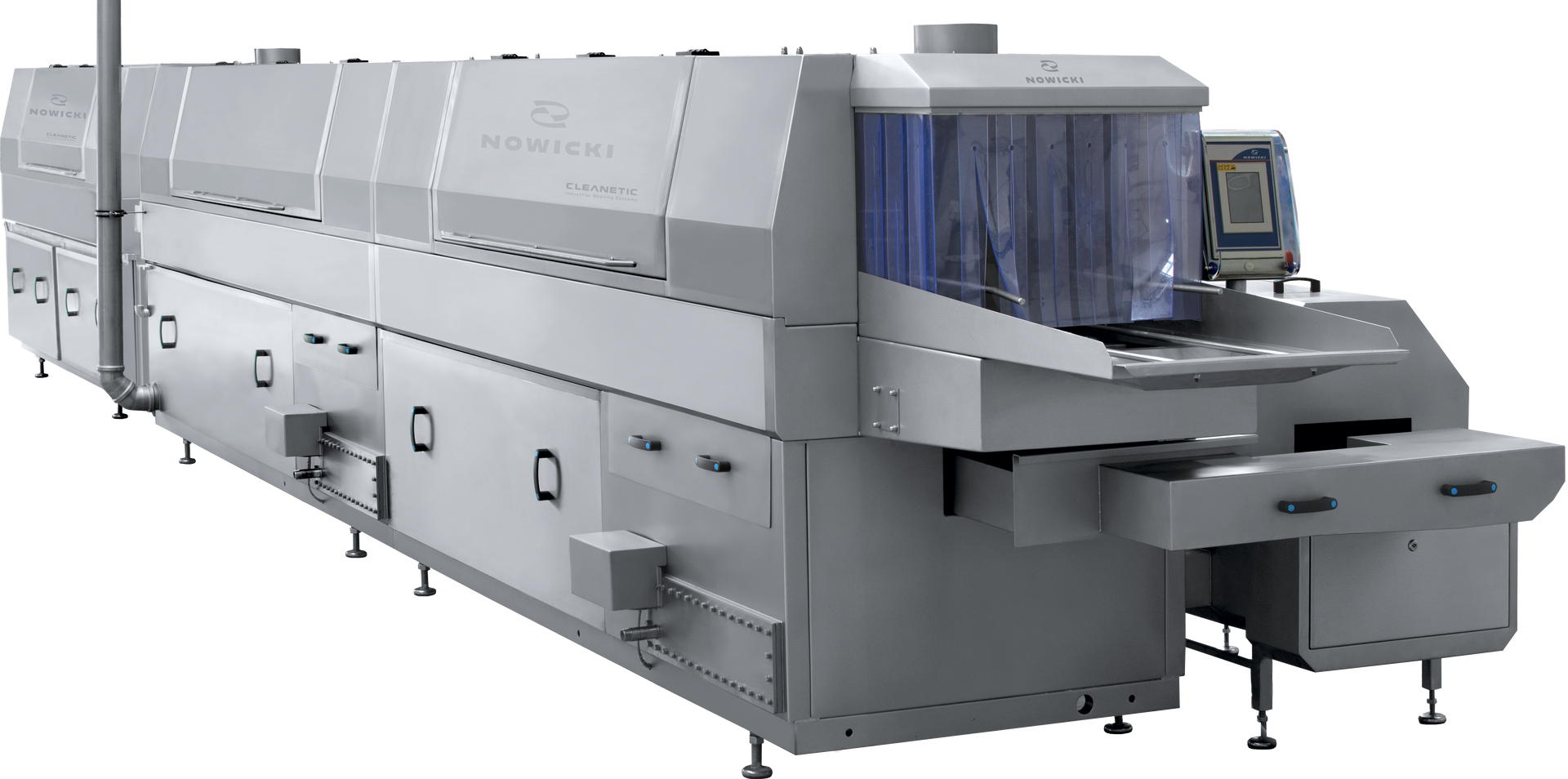
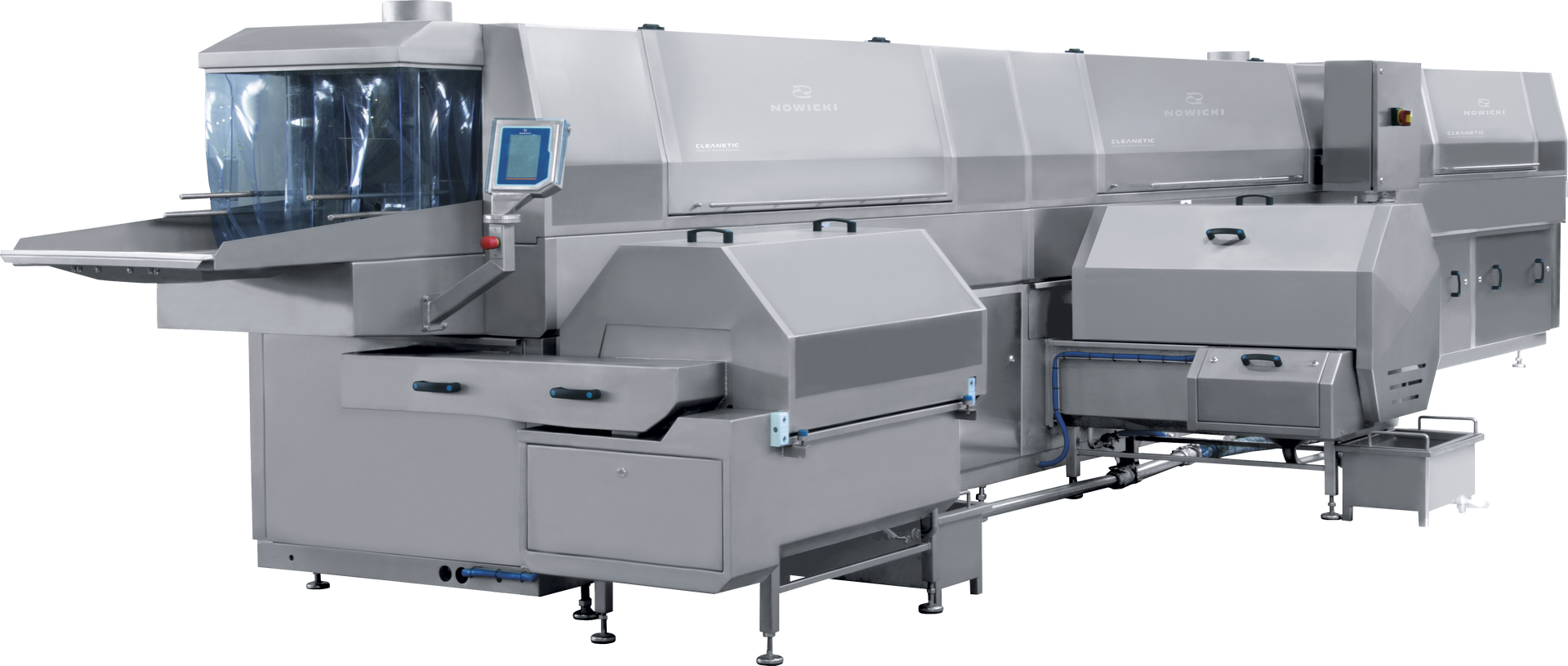
Automatic Industrial Container Washer
Max Efficiency
900 to 1200
Containers Per Hour
Max Container Size
27.6 x 23.6 x 15.8
inches
- Universal High-Efficiency Washing System: Designed to wash up to 900-1,200 containers per hour (depending on model), accommodating any plastic container and container cover that fits within the specified dimensions for exceptional cleaning performance.
- Variable Control: Easily adjust variable washing parameters such as conveyor speed, water temperature, chemical concentration and intensity of rinsing.
- Pre-Wash and Air Blow Off Modules: Equipped with a Pre-Wash Module and an Air Blow Off Module to improve washing and drying efficiency, providing superior cleaning performance
Our Customers







Why Choose BAK
Durable, Industrial-Grade Construction:
Built entirely from stainless steel for exceptional durability and long-lasting performance in demanding environments.
Advanced Programmable Control Panel:
Intuitive touch screen allows operators to create and store custom programs by adjusting variables such as water temperature and conveyor speed.
Easy Cleaning and Maintenance:
Thoughtfully designed to make routine cleaning and maintenance straightforward and efficient.
Technical Information
Applications
NOMA Automatic Industrial Container Washers are designed to wash a variety of containers up to an efficiency of 900-1,200 containers per hour (depending on the model). The machine is suitable for food processing as well as broader industrial and warehouse applications. These washers provide versatile and efficient cleaning solutions for various container sizes and types.
Automatic Industrial Container Washers Options

Snack Stick Case Study
"Before we brought in BAK’s intermeshing paddle mixers, our equipment just couldn’t keep up with what snack sticks demand—the texture was soft, the ‘snap’ wasn’t there, and every batch felt like a gamble. Now, with proper protein extraction and fast, consistent mixing, we’re turning out firm, evenly colored snack sticks we’re proud of. The results gave us the confidence to refocus our portfolio around snack sticks and keep investing in additional mixing and grinding equipment across our plants—it’s reshaped our business." – Leadership team
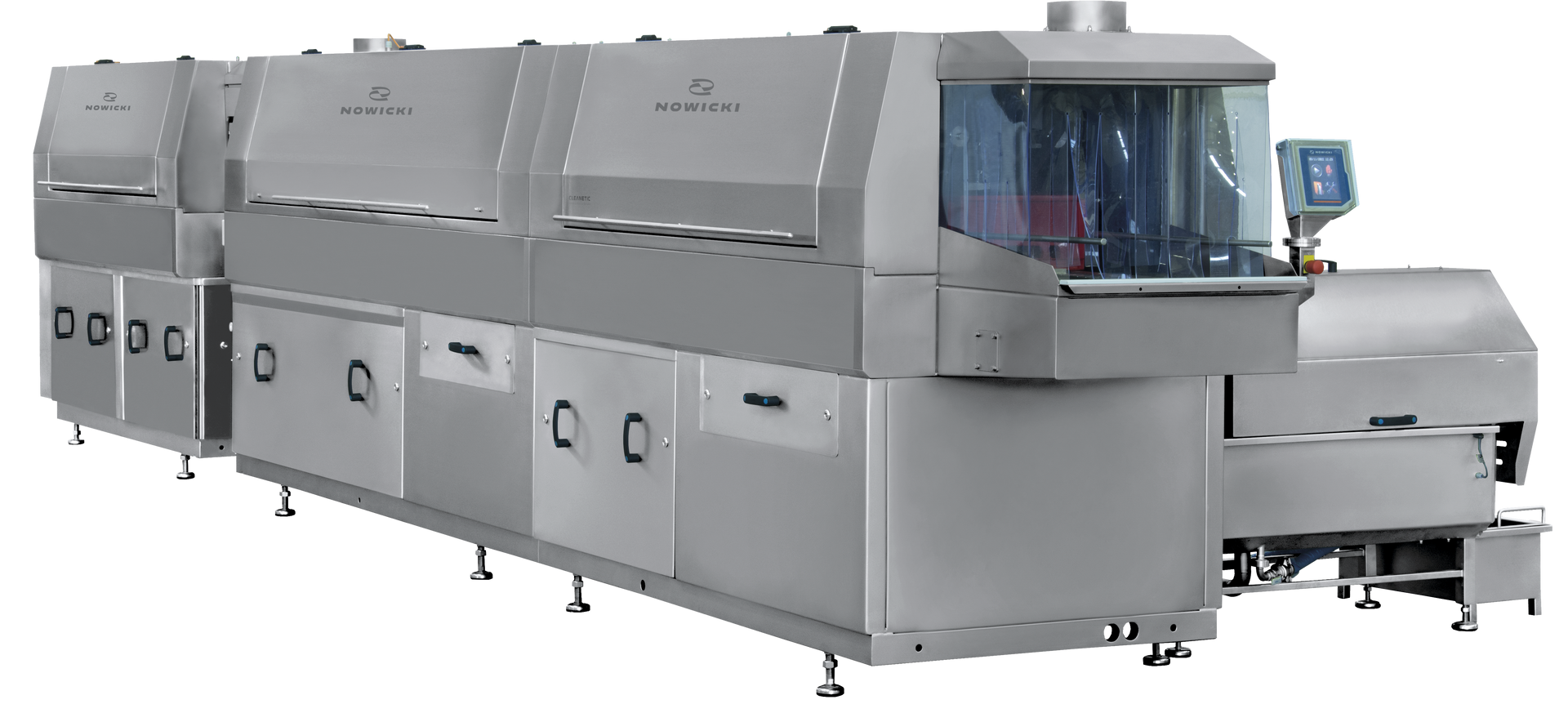
See More of Our Automatic Industrial Container Washers
You Might Also Like
How Automatic Industrial Container Washers Work
What steps occur during the automated washing process?
The automated container washing process is a carefully engineered sequence designed to maximize hygiene and efficiency. The workflow begins with loading containers onto the conveyor, which transports them through a series of dedicated cleaning zones. The process typically includes a pre-wash to remove loose debris, followed by a main wash where high-pressure nozzles and detergents target stubborn residues. After the main wash, containers enter a rinse zone to eliminate any remaining cleaning agents. The final stage is the blow-off or drying module, where powerful air jets remove excess water, ensuring containers are ready for immediate use or storage. This container washing process is fully automated, minimizing manual intervention and ensuring consistent results.
How does the Series MPA move, wash, rinse, and dry containers?
Containers are loaded onto a conveyor system that moves them through each stage of the industrial wash line workflow. The pre-wash module uses targeted sprays to loosen and remove initial contaminants. In the main wash zone, high-pressure nozzles and carefully dosed cleaning chemicals deliver thorough sanitation. The rinse zone follows, using clean water to remove any residual chemicals. Finally, the air blow-off module employs powerful air jets to dry containers efficiently. Each stage is modular, allowing for optimal hygiene and drying tailored to specific operational needs.
What variables control wash quality and efficiency?
Several key variables influence the quality and efficiency of the automated sanitation cycle. Conveyor speed determines how long each container spends in each cleaning zone, directly impacting cleaning intensity. Water temperature and chemical concentration are adjustable to match the level of soiling and sanitation requirements. High-pressure nozzles ensure that all surfaces are thoroughly cleaned, while the intensity of rinsing can be modified for different container types. The Series MPA features an advanced programmable control panel, allowing operators to fine-tune these parameters and store custom programs for repeatable, consistent results. This level of control ensures that every wash cycle meets strict hygiene standards, outperforming manual washing in both consistency and efficiency.
Compatible Container Types and Sizes
What containers can the Series MPA accommodate?
The Series MPA automatic industrial container washer is engineered for maximum versatility, capable of cleaning a wide range of container types commonly used in both food processing and industrial warehouse operations. This includes plastic totes, bins, crates, lids, ingredient containers, and other reusable industrial containers. The system is designed as a universal high-efficiency washing solution, ensuring that any plastic container or container cover fitting within the specified dimensions can be thoroughly cleaned.
What are the maximum dimensions?
The Series MPA can accommodate containers with maximum dimensions of 27.6 x 23.6 x 15.8 inches. This generous capacity allows the washer to handle a broad spectrum of container shapes and sizes, making it suitable for operations that utilize various container formats. Whether you are cleaning large ingredient bins or smaller plastic crates, the Series MPA provides a single, streamlined solution.
What industries rely on these container types?
Industries that benefit from the Series MPA’s compatibility include food processing, where food container sanitation is critical, as well as industrial and warehouse sectors that depend on reusable containers for storage and transport. The ability to clean different types and sizes of containers in one universal system not only improves operational efficiency but also supports stringent hygiene standards across multiple industries. This versatility is especially valuable for facilities that handle a mix of container types, reducing the need for multiple specialized machines and simplifying the container washing process.
By accommodating a wide variety of containers and offering high throughput, the Series MPA stands out as a reliable plastic tote washer and industrial crate washer, supporting both productivity and sanitation requirements in demanding environments.
Hygiene and Sanitation Standards in Food and Industrial Operations
Why is container hygiene critical in food and warehouse environments?
Maintaining strict container hygiene is essential in food processing and warehouse operations to prevent contamination from bacteria, allergens, and debris. Containers that are not thoroughly cleaned can harbor harmful microorganisms or residues, posing significant risks to food safety and product integrity. In environments where containers are reused across different product types or shifts, the risk of cross-contamination increases, making consistent and effective cleaning practices a non-negotiable standard for both food safety compliance and operational efficiency.
How does the Series MPA support regulatory compliance?
The Series MPA automatic industrial container washer is engineered to help facilities meet and exceed regulatory requirements set by agencies such as the USDA and FDA. Its programmable control panel allows operators to set and monitor critical washing parameters, including water temperature and chemical concentration, ensuring that every wash cycle meets sanitation validation standards. The system’s ability to store custom cleaning programs supports HACCP cleaning protocols, making it easier for facilities to document and demonstrate compliance during audits or inspections.
What risks does automated washing help prevent?
Automated washing systems like the Series MPA significantly reduce the risk of cross-contamination between shifts and product types by delivering consistent, repeatable cleaning results. Controlled water temperatures and precise chemical dosing ensure that each container is sanitized to the same high standard, eliminating variability that can occur with manual cleaning. The inclusion of pre-wash and air blow-off modules further enhances the removal of debris and moisture, minimizing the potential for microbial growth. By automating the container washing process, facilities can better protect against foodborne illness outbreaks and maintain a safe, hygienic production environment.
Benefits of Upgrading From Manual Washing to Automation
Why do facilities transition from manual washing to automated systems?
Facilities move from manual to automated container washing to address several operational challenges. Manual washing is labor-intensive, prone to human error, and often results in inconsistent cleaning quality. As production demands increase, manual processes can become a bottleneck, limiting throughput and making it difficult to maintain high sanitation standards. Automated systems, such as the Series MPA automatic industrial container washer, offer a scalable solution that supports multi-shift operations and growing production needs, ensuring reliable and repeatable results.
What operational improvements can be expected?
Transitioning to an automated container cleaning system brings significant operational improvements. Labor savings are immediate, as fewer staff are required to operate and monitor the process. Automation reduces the risk of human error, leading to more consistent wash results and minimizing the need for repeat washes. The Series MPA’s programmable control panel allows operators to fine-tune washing parameters, ensuring optimal cleaning for different container types. Additionally, the system’s pre-wash and air blow-off modules speed up the container turnaround, allowing for faster reintegration into production lines. These improvements collectively enhance industrial efficiency and support higher production volumes without sacrificing sanitation quality.
How does the Series MPA improve efficiency?
The Series MPA automatic industrial container washer is engineered for maximum efficiency, capable of processing 900 to 1,200 containers per hour depending on the model. Its universal design accommodates a wide range of plastic containers and covers, making it versatile for various applications. The system optimizes water and chemical usage through precise dosing, reducing waste and operational costs. Advanced features like variable conveyor speed, adjustable water temperature, and intensity of rinsing allow for tailored cleaning cycles, further improving resource efficiency. The durable stainless steel construction ensures long-term reliability, while easy-to-clean design minimizes downtime for maintenance. With these features, the Series MPA delivers labor-saving sanitation solutions and consistent, high-quality results, making it a smart investment for facilities seeking to upgrade from manual to automated container washing.
Water, Chemical, and Energy Efficiency Features
How does the Series MPA help reduce operating costs?
The Series MPA automatic industrial container washer is engineered to deliver significant reductions in operating costs through a combination of advanced efficiency features. Its optimized chemical dosing system ensures that only the necessary amount of cleaning agents is used, minimizing waste and reducing chemical expenses. The recirculating water system further cuts costs by reusing water throughout the washing process, which not only conserves water but also lowers utility bills. High-pressure nozzles maximize cleaning power while using less water and energy, contributing to overall operational savings. These features work together to provide consistent, high-quality cleaning while keeping resource consumption—and costs—under control.
Which features support sustainability?
Sustainability is at the core of the Series MPA’s design. The washer’s recirculating water system and optimized chemical dosing directly support eco-friendly operations by reducing water and chemical usage. For facilities focused on ESG (Environmental, Social, and Governance) goals, these features help minimize environmental impact while maintaining rigorous sanitation standards. The stainless steel construction also ensures long-term durability, reducing the need for frequent replacements and supporting a more sustainable equipment lifecycle.
Where do facilities typically save money?
Facilities using the Series MPA typically realize savings in three key areas: labor, water, and chemicals. Automating the cleaning process decreases labor demands and frees up labor for higher value tasks. The recirculating water system dramatically lowers water usage, while precise chemical dosing reduces the amount of cleaning agents required. Over time, these efficiencies translate into substantial cost reductions, supporting both the bottom line and long-term sustainability objectives. Additionally, the consistent wash quality delivered by the Series MPA helps prevent costly rework and ensures compliance with food safety standards, further protecting operational budgets.
Maintenance and Cleaning Best Practices
How does the Series MPA simplify maintenance?
The Series MPA automatic industrial container washer is engineered for straightforward maintenance, ensuring minimal downtime and consistent performance. Its design features easy-access components, allowing operators to quickly reach internal modules for cleaning and inspection. The intuitive touch screen control panel further streamlines maintenance by enabling operators to monitor system status and adjust washing parameters as needed. Routine maintenance tasks, such as module cleaning, filter checks, and nozzle inspections, are simplified by the machine’s thoughtful layout, reducing the time and effort required for upkeep and supporting efficient equipment upkeep.
What routine tasks help extend machine life?
To maximize the longevity and reliability of the Series MPA, periodic maintenance is essential. Adhering to established sanitation protocols ensures that the washer remains hygienic and operates at peak efficiency. Preventive maintenance, such as scheduled inspections, helps avoid unexpected breakdowns and extends the life of the industrial washer, supporting consistent washing performance.
Why is stainless steel construction important?
The Series MPA is constructed entirely from stainless steel, a critical feature for industrial washer maintenance and long-term durability. Stainless steel resists corrosion and wear, even in demanding food processing and industrial environments where exposure to water, chemicals, and high temperatures is routine. This robust construction not only reduces the risk of equipment failure but also simplifies cleaning, as stainless steel surfaces are easy to sanitize and maintain. The result is a machine that delivers reliable performance over time, with reduced maintenance needs and lower total cost of ownership, thanks to its stainless steel durability.
Integrating the Series MPA Into Existing Production Lines
How can the washer be integrated into current facility layouts?
The Series MPA automatic industrial container washer is engineered with modularity and flexibility in mind, making it straightforward to incorporate into a wide range of facility layouts. Its compact footprint and configurable design allow for seamless conveyor integration, aligning efficiently with both upstream and downstream processes. Whether your production line requires a direct connection to existing conveyors or a standalone washing station, the Series MPA can be positioned to optimize workflow and minimize bottlenecks. Careful facility layout planning ensures the washer fits within available space while maintaining accessibility for operators and maintenance staff.
What operational considerations matter?
When integrating the Series MPA, it’s important to consider the operational flow of your production line. The washer’s variable control features—such as adjustable conveyor speed, water temperature, and chemical dosing—allow it to adapt to different production rates and container types. This adaptability supports multi-shift and round-the-clock operations, ensuring consistent cleaning performance regardless of throughput demands. Additionally, the intuitive touch screen control panel enables operators to create and store custom wash programs, further enhancing production optimization and reducing changeover times between container types.
What utilities are required?
Successful integration of the Series MPA requires access to several key utilities. A reliable water supply and proper drainage are essential for the washing and rinsing processes. Electrical connections must be provided to power the washer. Depending on your sanitation protocols, chemical dosing systems may also be needed to ensure effective cleaning and disinfection. The washer’s stainless steel construction and thoughtful design make routine cleaning and maintenance efficient, supporting long-term reliability in demanding industrial environments.
By focusing on modular design, facility layout planning, and robust utility support, the Series MPA automatic industrial container washer delivers a flexible, high-efficiency solution for modern production lines.
Industry Use Cases for Automatic Container Washers
Who uses these washers and for what purposes?
Automatic industrial container washers are widely used across a range of industries, including meat and poultry processing, produce handling, seafood operations, bakeries, ingredient processors, warehouses, industrial packaging facilities, logistics companies, and distribution centers. These sectors rely on high volumes of reusable containers, such as crates, bins, and totes, to transport and store products. The primary purpose of these washers is to ensure that containers are thoroughly cleaned and sanitized between uses, supporting both food safety and operational efficiency. In food production environments, maintaining strict hygiene standards is critical to prevent cross-contamination and ensure compliance with industry regulations.
What common problems do they solve?
Automatic container washers address several common challenges faced by industrial and food processing operations. First, they streamline the container washing process, significantly reducing manual labor and turnaround time. This is especially important in facilities where containers must be quickly cleaned and returned to production to maintain workflow. Second, these washers help control allergens and prevent cross-contamination by providing consistent, high-quality sanitation between product types. Third, they support container reuse, which is both cost-effective and environmentally responsible. By automating the cleaning process, facilities can ensure that every container meets sanitation standards, regardless of the volume or type of residue present.
How does the machine adapt to different industries?
The universal design of BAK Food Equipment’s automatic industrial container washers allows them to adapt seamlessly to diverse production environments. With adjustable washing parameters—such as conveyor speed, water temperature, chemical concentration, and rinsing intensity—operators can tailor the cleaning process to the specific needs of their industry and container type. The machines accommodate a wide range of plastic container sizes and covers, making them suitable for a wide variety of applications from bakery to meat processing. Advanced features like programmable control panels and SCADA monitoring systems further enhance adaptability, enabling facilities to create and store custom cleaning programs for different applications. This flexibility ensures that the washers deliver reliable, high-efficiency cleaning performance in any setting, from food production equipment lines to warehouse container reuse operations.
Automatic Industrial Container Washer FAQs
What types of containers can the Series MPA wash?
The Series MPA automatic industrial container washer is engineered for versatility, accommodating a wide range of container types commonly used in food processing and industrial operations. It can effectively wash plastic totes, bins, crates, lids, ingredient containers, and other reusable industrial containers, provided they fit within the maximum size of 27.6 x 23.6 x 15.8 inches. This universal design ensures that facilities can streamline their container washing process regardless of the specific shapes or sizes in use.
How many containers can the Series MPA wash per hour?
Efficiency is a hallmark of the Series MPA. Depending on the selected model, this high-efficiency container washer can process between 900 and 1,200 containers per hour. This throughput makes it suitable for both mid-volume and large-scale operations, supporting continuous production and minimizing downtime associated with manual cleaning.
What controls can operators adjust on the Series MPA?
Operators benefit from an advanced, intuitive touchscreen control panel that allows for precise customization of wash parameters. Key variables such as conveyor speed, water temperature, chemical concentration, and rinse intensity can all be adjusted to meet specific sanitation requirements. Additionally, the system enables operators to create and store custom wash programs, ensuring consistent results across different shifts and container types.
Does the Series MPA support automated monitoring or reporting?
Yes, the Series MPA can be equipped with an optional SCADA Monitoring System. This feature provides real-time visibility into wash cycles, system alarms, operator activity, historical data, and process metrics. Such automated monitoring supports compliance, traceability, and quality assurance initiatives, making it easier for facilities to meet stringent industry standards.
How does the Pre-Wash and Air Blow-Off Module improve cleaning?
The Pre-Wash Module is designed to remove heavy debris before the main wash cycle, enhancing the overall effectiveness of the cleaning process. Following the wash, the Air Blow-Off Module efficiently removes excess water, promoting faster drying and reducing moisture on cleaned containers. Together, these modules contribute to superior sanitation, quicker turnaround times, and improved operational efficiency.
What industries typically use automatic industrial container washers?
Automatic industrial container washers like the Series MPA are widely used in industries where reusable containers require frequent and consistent sanitation. Typical applications include meat and poultry processing, produce, seafood, bakery, ingredient manufacturing, warehouse logistics, industrial packaging, and distribution centers. These sectors benefit from the reliability, speed, and thoroughness provided by automated container cleaning systems.
