

Series TN
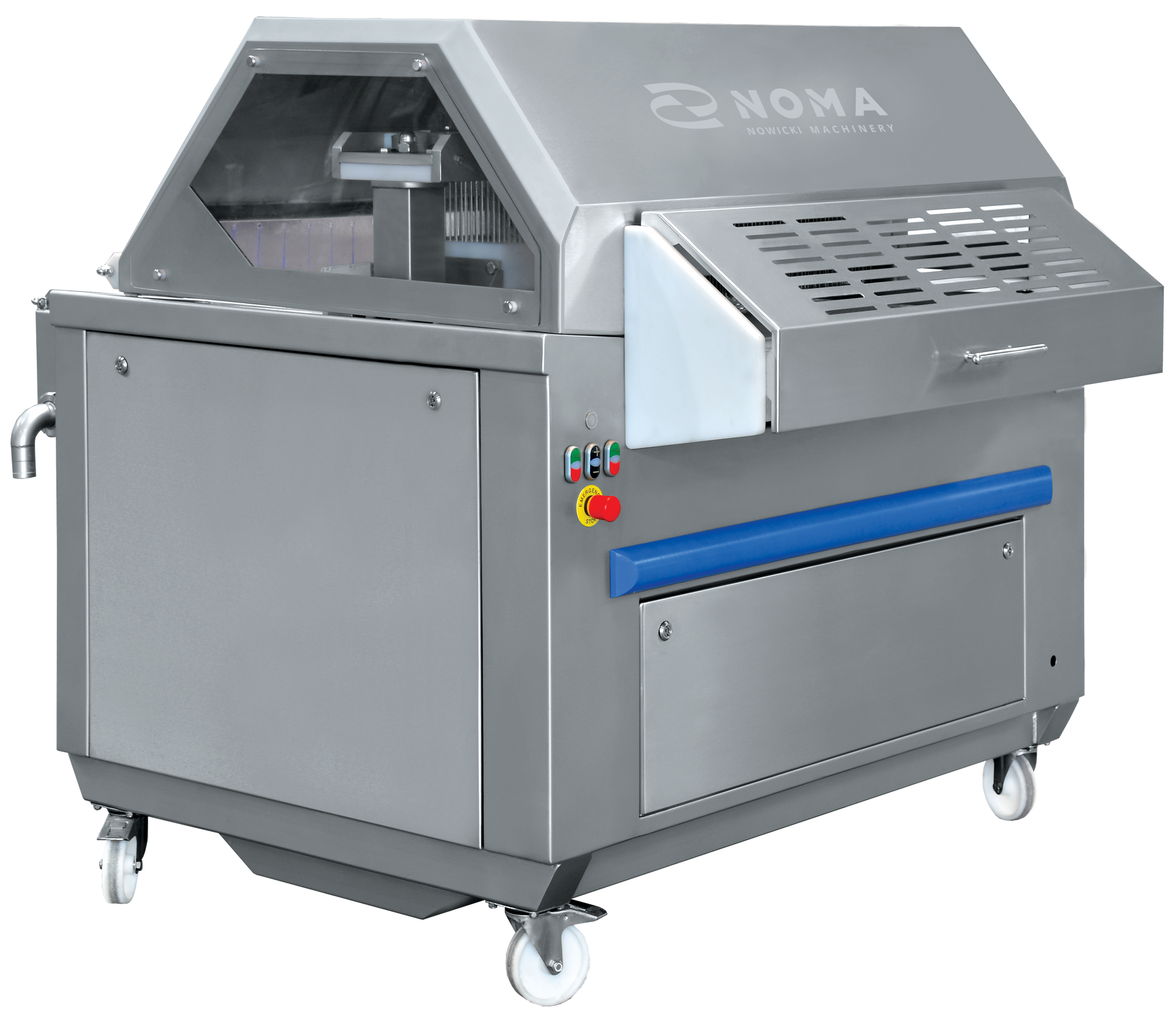
Standard Tenderizers
# of Cutting Knives
833 - 1026
- Adjustable Head Speed: Features an adjustable-speed tenderizing head. This flexibility ensures optimal tenderizing for both delicate cuts, like fish fillets, and tougher meats, such as beef or pork. By controlling the speed, users can fine-tune the tenderness level while preventing over-processing.
Our Customers





Why Choose BAK
Durable, Industrial-Grade Construction:
Built entirely from stainless steel for exceptional durability and long-lasting performance in demanding environments.
Advanced Programmable Control Panel:
Intuitive touch screen allows operators to create and store custom programs by adjusting variables such as conveyer and head speed.
Easy Cleaning and Maintenance:
Thoughtfully designed to make routine cleaning and maintenance straightforward and efficient.
Technical Information
Applications
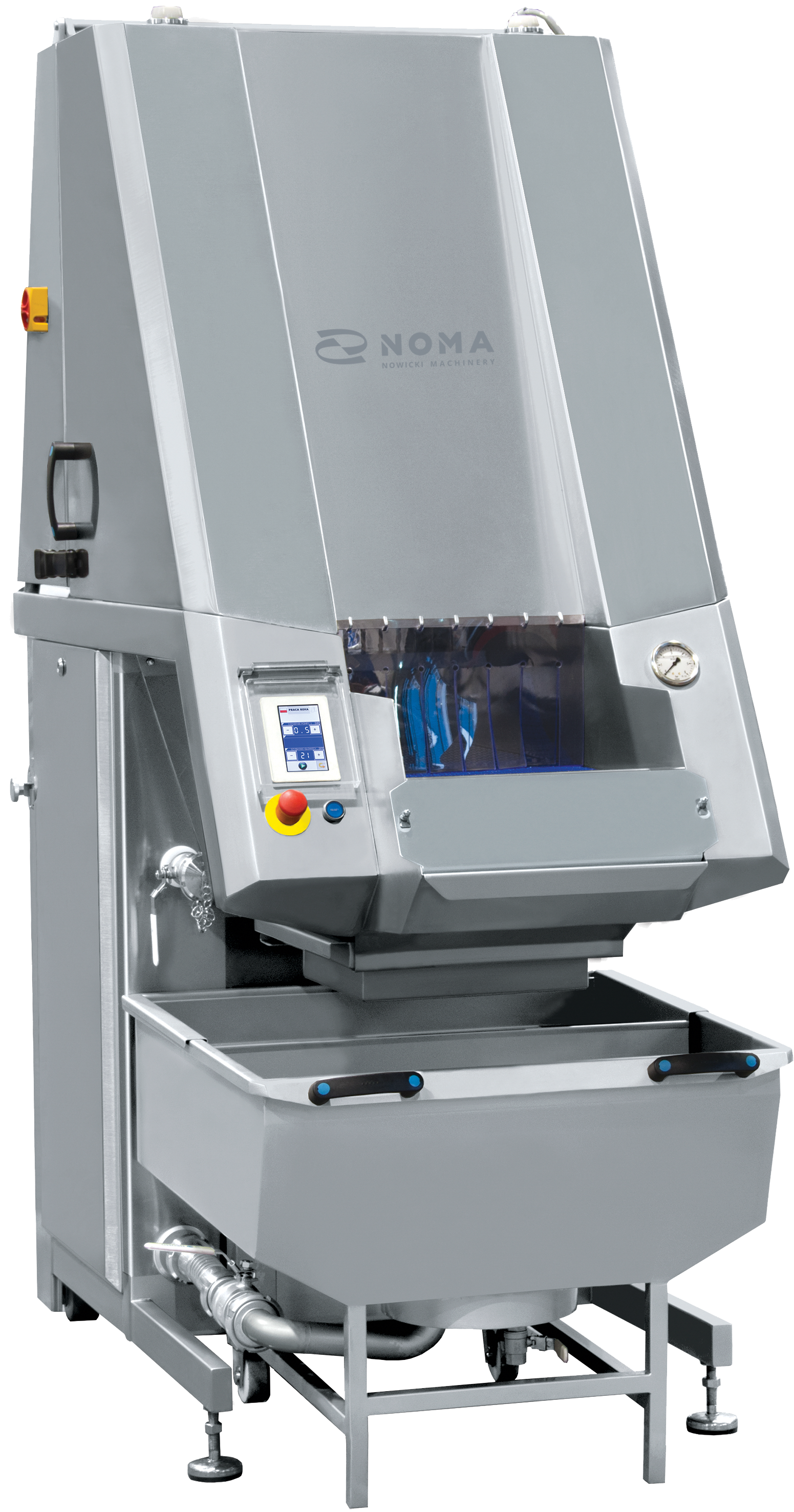
The NOMA tenderizers are designed to improve the texture and tenderness of meat, poultry, and seafood by creating small incisions in the muscle fibers. Ideal for various applications, such as steaks, roasts, chicken breasts, pork loins, fish fillets, and more.
Snack Stick Case Study
"Before we brought in BAK’s intermeshing paddle mixers, our equipment just couldn’t keep up with what snack sticks demand—the texture was soft, the ‘snap’ wasn’t there, and every batch felt like a gamble. Now, with proper protein extraction and fast, consistent mixing, we’re turning out firm, evenly colored snack sticks we’re proud of. The results gave us the confidence to refocus our portfolio around snack sticks and keep investing in additional mixing and grinding equipment across our plants—it’s reshaped our business." – Leadership team
See More of Our Standard Tenderizers
You Might Also Like
How the Tenderizing Process Works
How does industrial tenderizing actually work?
Industrial meat tenderizing is a precise, automated process designed to improve the texture and tenderness of various proteins, including beef, pork, poultry, and seafood. The workflow begins with product loading, where cuts of meat are placed onto a conveyor system. As the product moves forward, it enters the tenderizing head, which is equipped with hundreds to over a thousand cutting knives, depending on the model. These knives are engineered to penetrate the surface of the meat, making consistent micro-incisions across the muscle fibers. The process is carefully controlled by an advanced programmable control panel, allowing operators to adjust variables such as conveyor and head speed for optimal results.
What happens as the product passes through the tenderizing head?
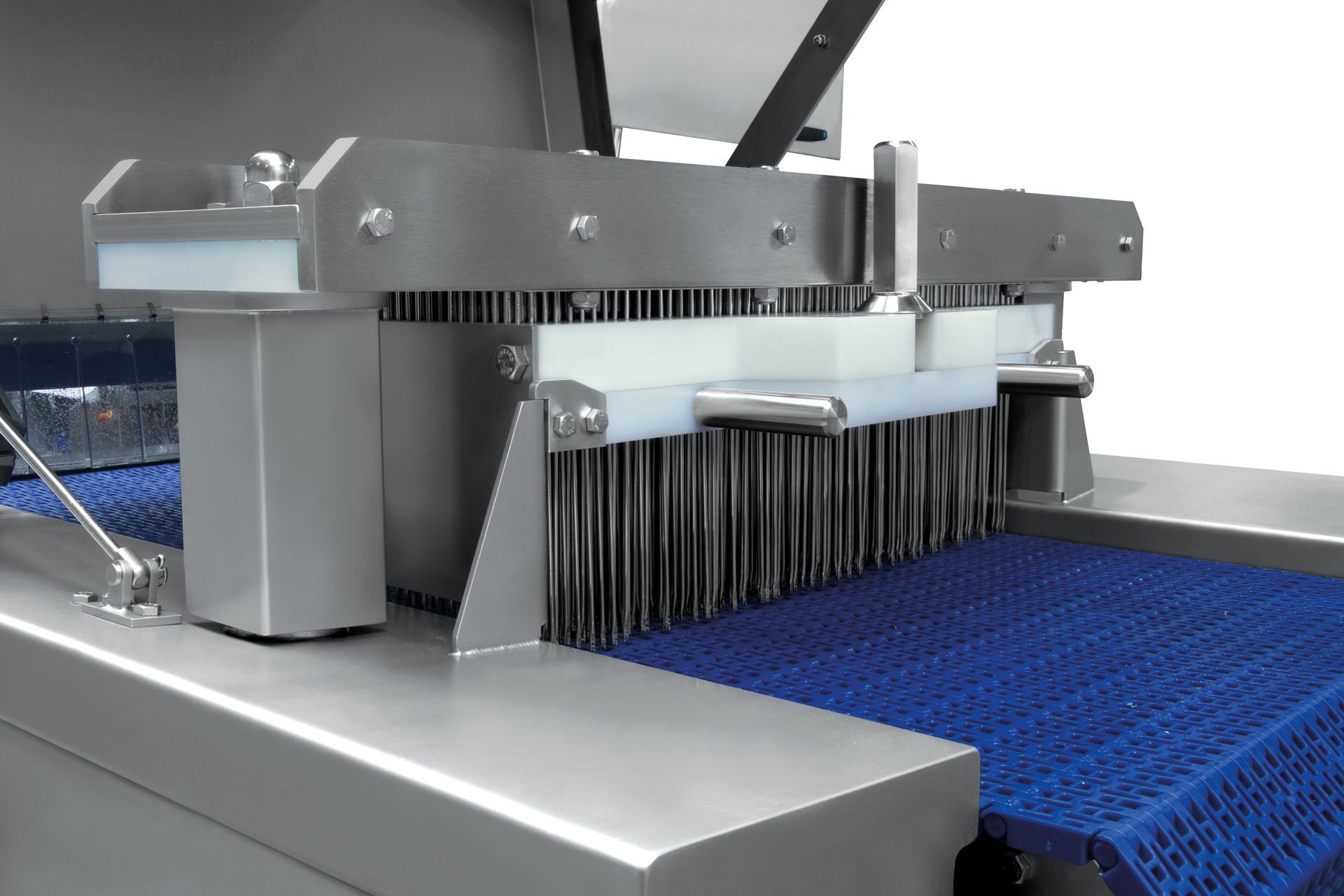
As the meat passes through the tenderizing head, the knives make uniform, shallow incisions in the muscle fibers. For example, BAK Food Equipment’s TN Series tenderizers feature between 833 and 1,026 cutting knives, ensuring thorough and even coverage.
How do knives alter muscle fibers to improve tenderness and absorption?
The knives create a pattern of micro-incisions that break down the muscle fibers without compromising the overall structure of the meat. This modification of the protein structure not only enhances tenderness but also promotes better absorption of marinades and seasonings. The uniform incision depth delivers a consistently improved texture. This method is far more controlled and effective than traditional mechanical pounding or extended marination, especially in value-added processing environments.
What advantages does controlled tenderizing provide?
Controlled tenderizing offers several key advantages. Adjustable head speed allows operators to tailor the process for different protein types—slower speeds for delicate products like fish fillets and faster speeds for denser cuts such as beef or pork. This flexibility ensures that each product receives the ideal level of tenderization without risk of over-processing. Additionally, the consistent incision pattern reduces the need for manual intervention, streamlines production, and enhances product quality. By integrating these features into our industrial tenderizer workflow, BAK Food Equipment delivers reliable, high-performance solutions for commercial meat processing operations.
Knife Design, Penetration Depth & Cutting Precision
Why does knife quantity matter?
The number of knives in a meat tenderizer machine directly impacts the uniformity and effectiveness of the tenderizing process. BAK Food Equipment offers models with 833 and 1,026 cutting knives, allowing processors to select the ideal tenderizer for their throughput requirements. Consistent knife spacing across the tenderizing head guarantees even treatment, resulting in predictable marination outcomes and improved product quality.
How does knife geometry affect incision patterns?
Knife geometry is meticulously engineered to deliver clean, consistent cuts without tearing or smearing the protein. The shape and sharpness of each blade are designed to create precise incisions in the muscle fibers, which is critical for maintaining the integrity of the meat. This attention to blade geometry not only enhances tenderness but also optimizes the product for downstream processes such as tumbling and marination. Precision cutting ensures that each piece of meat receives the same level of treatment, supporting marination optimization and overall product consistency.
How does penetration control influence tenderness levels?
Penetration depth is a key variable in achieving the desired tenderness. BAK Food Equipment’s tenderizers penetrate cuts of meat at their ideal depth, ensuring the highest product quality.
Integration With Value-Added Processing Lines
How do tenderizers fit into broader production lines?
Meat tenderizers are a foundational component in modern value-added processing lines, serving as a critical pre-treatment step before marination, tumbling, and cooking. In high-volume operations, tenderizers are typically positioned immediately before vacuum tumblers or injectors. This strategic placement ensures that each subsequent process benefits from the improved texture and structure of the meat, leading to more consistent and higher-quality finished products. BAK Food Equipment’s standard tenderizers, such as the TN series, are designed for seamless integration with automated production lines, offering adjustable head speeds and programmable controls to match the specific requirements of each product and process.
How does tenderizing impact marination, tumbling, and cooking?
Tenderizing plays a pivotal role in enhancing marination improvement and overall product quality. By creating small incisions in the muscle fibers, tenderizers increase the permeability of the meat, allowing marinades and seasonings to penetrate more deeply and evenly. This results in more efficient and consistent flavor distribution during marination and tumbling. During cooking, the improved structure from tenderizing leads to reduced variability in texture, all of which are crucial for maintaining product standards in ready-to-cook and ready-to-eat items.
Why is tenderizing a critical step in RTE and RTC manufacturing?
In the production of ready-to-eat (RTE) and ready-to-cook (RTC) products, tenderizing is a critical step that directly impacts product quality, consistency, and consumer satisfaction. Tenderizers ensure that even tougher cuts of meat, including bone-in products, achieve the desired tenderness without compromising product integrity. This is especially important for high-volume operations producing pre-marinated or value-added items, where uniformity and efficiency are paramount. The use of advanced, industrial-grade tenderizers from BAK Food Equipment supports the demands of modern food processing by improving marinade uptake and ensuring reliable results across a wide range of meat, poultry, and seafood applications. This integration not only streamlines production but also elevates the overall value and appeal of finished products.
Operator Safety, Hygiene & Sanitary Design
What safety features protect operators?
BAK Food Equipment’s standard tenderizers are engineered with operator protection as a top priority. Safety guards and interlocks are integrated into the design to prevent the machine from operating when the tenderizing head is exposed, significantly reducing the risk of accidental contact with moving parts. During operation, knife sets are securely shielded, ensuring that operators are protected from the cutting mechanisms. When cleaning or maintenance is required, these knife sets are easily accessible, but only after the machine is safely locked out, further supporting a safe working environment. This focus on operator protection aligns with food safety compliance standards and helps maintain a secure production floor.
How does the machine support hygienic workflows in food plants?
Sanitary tenderizer design is central to BAK’s equipment. The machines feature smooth, stainless steel surfaces and minimal harborage areas, which reduces the risk of bacterial buildup and cross-contamination. The thoughtful layout makes it easier for operators to perform thorough cleaning between product changeovers. This not only speeds up sanitation processes but also supports HACCP and USDA-compliant workflows, ensuring that food safety remains uncompromised throughout production.
What cleaning advantages does stainless steel construction provide?
The all-stainless steel body of BAK’s tenderizers is specifically chosen for its durability and compatibility with wet cleaning and washdown environments. Stainless steel resists corrosion and withstands repeated exposure to water, cleaning agents, and high-pressure washdowns, which are common in food processing facilities. This robust construction not only extends the lifespan of the equipment but also simplifies routine cleaning and maintenance. The low-maintenance build reduces downtime, allowing for more consistent production and easier adherence to strict hygiene standards required in modern food processing operations. Washdown-rated equipment like BAK’s tenderizers is essential for maintaining both operational efficiency and food safety.
Product Versatility & Application Benefits
What products benefit most from tenderizing?
Industrial meat tenderizing equipment, such as the standard tenderizers from BAK Food Equipment, is engineered to handle a wide range of products. These machines are ideal for improving the texture and tenderness of steaks, roasts, pork loins, chicken breasts, thighs, turkey cuts, and fish fillets. The adjustable-speed tenderizing head allows operators to fine-tune the process for both delicate items like fish and tougher, bone-in cuts such as pork chops and chicken thighs. This versatility makes the equipment suitable for a variety of applications, including prepared foods, QSR manufacturing, meal kits, and retail-ready products.
What operational improvements does tenderizing create?
Tenderizing with advanced food processing equipment streamlines production by enhancing downstream processes. The programmable control panel on BAK’s machines allows for custom settings, ensuring consistent results and reducing manual intervention. This not only increases throughput but also minimizes product handling, leading to improved operational efficiency and reduced labor costs.
How does tenderizing impact quality and consistency?
Tenderizing significantly enhances protein tenderness, chewability, and overall sensory quality. The process improves moisture retention and allows marinades to penetrate more effectively, resulting in juicier, more flavorful products. Lower-grade cuts can be transformed to achieve premium texture profiles, supporting value-added meat production. Consistent tenderizing ensures uniform quality across batches, which is critical for maintaining brand standards and customer satisfaction. Ultimately, these improvements contribute to reduced waste and a more reliable finished product.
Tenderizer Frequently Asked Questions
Can these machines handle bone-in cuts?
The TN series is unable to handle bone-in applications.
How many knives do I need for my product?
The number of cutting knives required depends on the throughput requirements. BAK Food Equipment offers models with a knife count of 833 or 1,026, allowing you to select the right size for your operation.
How does head speed influence tenderness?
Adjustable head speed is a key feature of BAK’s tenderizers. By controlling the speed, operators can fine-tune the tenderness of the final product. Slower speeds are ideal for delicate proteins, preventing over-processing, while higher speeds can be used for tougher meats to achieve the desired texture.
What safety mechanisms are included?
Safety is a priority in all BAK Food Equipment designs. The tenderizers are constructed from durable stainless steel and include advanced programmable control panels with intuitive touch screens. These allow for precise control and safe operation, reducing the risk of accidents during use.
How easy is it to clean or replace knives?
Periodic cleaning and maintenance are straightforward thanks to the stainless steel construction and accessible tenderizing heads. The design allows for quick disassembly, making it easy to clean or replace knives as needed, ensuring hygiene and minimizing downtime.
Can units be integrated with conveyors?
Yes, BAK’s tenderizers are designed for seamless integration with automated production lines, including conveyors. This makes them an excellent choice for facilities looking to enhance efficiency and throughput in their meat processing operations.
For more information or to discuss your specific needs, please contact BAK Food Equipment.
