

Series FL
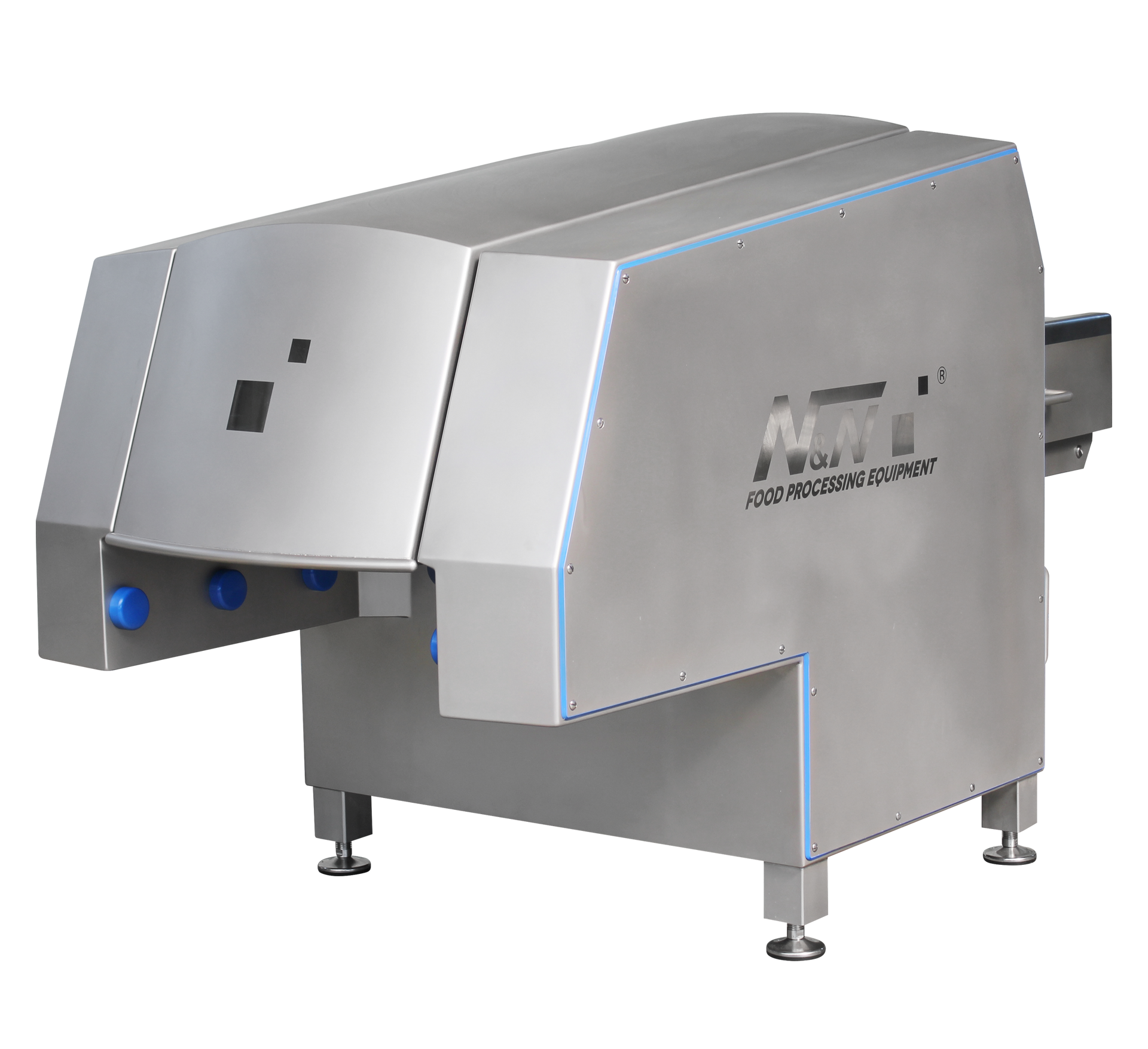
Imdustrial Flakers
Throughput
3,300 - 17,500
lbs Per Hour
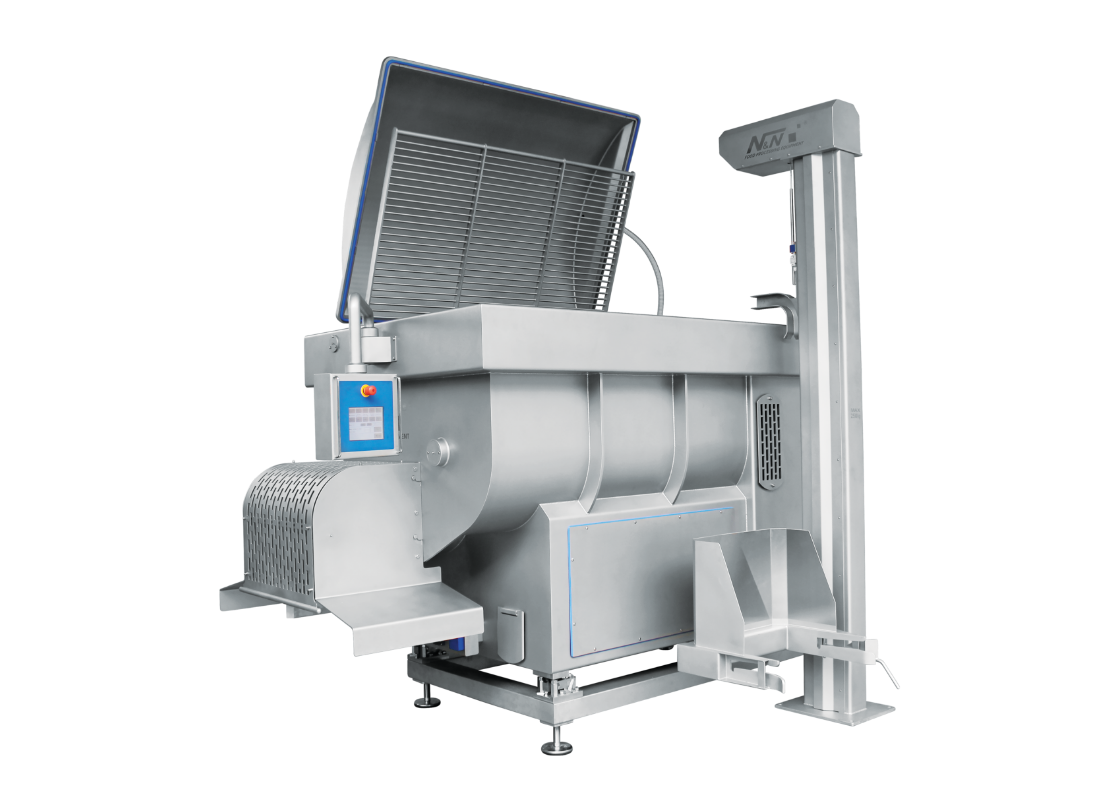
- Optimized Cutting Performance: Operators achieve superior cutting results thanks to the unique design of the knives and drum geometry. Paired with an integrated pneumatic clamping system, this ensures efficient processing of blocks while maintaining low noise operation for improved user comfort.
- Versatile Blade Thickness: Can be equipped with two types of blades, offering six different cutting thicknesses: 3, 6, and 9 mm with low knives, and 14, 17, and 20 mm with high knives. This versatility allows for optimal adaptation to your production requirements.
- Precision Cross-Cutting System: “Cross” blades work with the main U-shaped blades to flake the product and cut it crosswise, creating smaller pieces. This is ideal for further processing in mixes, preparing emulsions for sausage production, or ground meat for hamburgers and other molded products.
Our Customers







Why Choose BAK
Durable, Industrial-Grade Construction:
Built entirely from stainless steel for exceptional durability and long-lasting performance in demanding environments.
Easy Cleaning and Maintenance:
Thoughtfully designed to make routine cleaning and maintenance straightforward and efficient.
Technical Information
Applications
The N&N Nadratowski flakers are ideal for cutting blocks of frozen meat, fish, vegetables, fruit, dairy products like cheese, and confectionery items such as chocolate blocks.
Snack Stick Case Study
"Before we brought in BAK’s intermeshing paddle mixers, our equipment just couldn’t keep up with what snack sticks demand—the texture was soft, the ‘snap’ wasn’t there, and every batch felt like a gamble. Now, with proper protein extraction and fast, consistent mixing, we’re turning out firm, evenly colored snack sticks we’re proud of. The results gave us the confidence to refocus our portfolio around snack sticks and keep investing in additional mixing and grinding equipment across our plants—it’s reshaped our business." – Leadership team
You Might Also Like
How the Flaking Process Works
What steps occur from block loading to flake discharge?
The industrial flaking process begins with the loading of frozen meat blocks or other frozen food blocks into the flaker’s feed area. Once the block is in place, a pneumatic clamping system engages, securely holding the block to prevent movement during cutting. This stabilization is crucial for both operator safety and consistent product quality. With the block firmly clamped, the drum—equipped with specially designed U-shaped and cross-cut blades—rotates in a controlled manner. As the drum turns, the blades slice the frozen block into uniform flakes, which are then discharged for downstream processing. This workflow, from block loading through to flake discharge, is optimized for efficiency and safety, ensuring a smooth transition between each stage of meat preparation.
How does pneumatic clamping stabilize frozen blocks?
Pneumatic clamping is a key feature in modern industrial flakers. By applying consistent pressure, the pneumatic system holds the frozen block securely in place throughout the cutting process. This reduces vibration and prevents the block from shifting, which not only protects the operator but also ensures that each cut is precise. The result is a safer working environment and a more reliable industrial flaking process, as the block remains stable.
How do knife geometry and drum rotation interact during cutting?
The interaction between knife geometry and drum rotation is central to achieving optimal flaking results. BAK Food Equipment flakers utilize a combination of U-shaped main blades and cross-cut blades. As the drum rotates, the U-shaped blades make the initial slice, while the cross-cut blades further reduce the size of each flake. This design allows for consistent flaking patterns, regardless of the density of the frozen material. The controlled rotation of the drum ensures that each pass of the blade is uniform, contributing to workflow optimization and predictable output.
Why is uniform flake size important for downstream processing?
Uniform flake size is critical for several reasons. The flake size determines compatibility with downstream equipment as well as the degree to which the product is frozen. An inconsistent flake size may result in flakes that do not work for grinders or bowl cutters. Different sized flakes would thaw at different rates which may lead to an inconsistent final product. Consistent flakes ensure compatibility with downstream equipment. This uniformity also means flakes thaw at a consistent rate which sets the foundation for a reliable and consistent end product.
Blade Technology, Cutting Precision & Thickness Options
What blade designs are available, and how do they impact cut depth and thickness?
BAK Food Equipment’s industrial flakers are engineered with a versatile blade system that allows operators to select from two distinct sets of knives: low knives and high knives. The low knives are available in 3, 6, and 9 mm thicknesses, while the high knives offer 14, 17, and 20 mm options. This range of blade thicknesses enables precise control over cut depth and particle size, supporting a wide spectrum of production needs. The unique geometry of the knives, combined with the drum design, reduces friction during cutting, which not only lowers operational noise but also helps maintain the integrity of the product by minimizing heat generation and mechanical stress.
Why does thickness variety matter for different applications?
The ability to choose from multiple blade thicknesses is crucial for optimizing cut-size for specific applications. Choosing the correct flake size is important when it comes to using other downstream equipment as some grinders or bowl choppers may only be able to use flakes of a certain size. Making sure product is reduced to a s Finer cuts (3, 6, 9 mm) are ideal for making final products that need to thaw quicker and are not temperature sensitive. Coarser cuts (14, 17, 20 mm) are better suited for applications where larger flakes are needed to maintain a cooler temperature. This flexibility ensures that processors can adapt quickly to changing production requirements and achieve consistent results, regardless of the end product.
How do cross-blades enhance particle reduction?
Cross-blades are an integral part of BAK’s flaker design, working in tandem with the main U-shaped blades. As the primary blades flake the frozen block, the cross-blades further reduce the size of each particle by cutting them crosswise. This additional reduction step is essential for achieving the small, uniform flake size required in applications like sausage emulsions, hamburger mixes, and other prepared foods. The precision cross-cutting system ensures that every batch meets strict standards for texture, supporting efficient frozen block reduction and cut-size optimization in industrial food processing environments.
Workflow Integration & Downstream Processing Advantages
How do flakers integrate with grinders, mixers, tumblers, or forming lines?
Flakers are typically positioned at the very start of industrial food workflows, serving as the initial step in processing frozen blocks of meat, cheese, or other ingredients. By reducing large, frozen blocks into smaller, uniform flakes, flakers efficiently feed downstream equipment such as grinders, bowl choppers, and more. This integration streamlines the entire production line, eliminating the need for manual pre-cutting or thawing. The result is a seamless, automated process that supports higher throughput and consistent product quality. BAK Food Equipment’s flakers, for example, are designed with optimized knife and drum geometry, as well as an integrated pneumatic clamping system, ensuring efficient and reliable feeding into subsequent processing stages.
Why is flaking a preferred method over direct grinding?
Flaking frozen blocks before grinding offers several key advantages depending on your current equipment. Many industrial grinders have the ability to grind frozen flakes, but not frozen blocks. Therefore, flaking allows processors to use frozen materials in the grinding process rather than having to manually cut or thaw the frozen blocks. The precision cross-cutting system found in BAK Food Equipment’s flakers ensures that the product is optimally sized for further processing, supporting both efficiency and product consistency.
What advantages does flaked product provide to processed meat systems, bakery items, or dairy?
Flaked products offer significant benefits across multiple food processing sectors. By flaking products, it allows further processing to happen without the need for specialized machinery to handle big frozen blocks. The flaked product can be used in grinders, bowl choppers, and more without the risk of damaging the equipment or product. In meat processing, flakers are essential for preparing frozen meat for products like sausages and hamburgers. For bakery and confectionery applications, controlled chocolate flakes melt or mix more evenly, enhancing product quality and consistency. In the dairy industry, cheese flakes are ideal for blends and prepared meals, allowing for uniform distribution and improved melting characteristics. Across all these applications, the use of flakers supports temperature control, efficient mixing, and reliable integration with other industrial food processing equipment, making them a vital component in modern automated production lines.
Operator Safety, Noise Reduction & Ergonomic Design
What safety systems protect operators during operation?
BAK Food Equipment’s industrial flakers are engineered with operator safety as a top priority. The integrated pneumatic clamping system minimizes the need for direct operator interaction with frozen meat blocks once they are loaded, significantly reducing the risk of injury. Additionally, safety interlocks are built into the machine, preventing operation if the lid is open or not properly secured. These features ensure that the flaker cannot be activated unless all safety conditions are met, providing robust protection for operators and supporting industrial safety standards.
How does the machine reduce noise and vibration?
Compared to typical flakers, BAK’s flakers are designed to operate at lower noise levels, creating a more comfortable and less disruptive work environment. The unique geometry of the knives and drum, combined with the controlled cutting system, helps to minimize both noise and vibration during operation. This low-noise cutting system not only improves operator well-being but also contributes to a safer and more productive processing area.
What ergonomic advantages does the design offer?
Ergonomics are central to the design of BAK’s flakers. The machines feature an ergonomic loading height, making it easier and safer for operators to load frozen blocks without excessive lifting or awkward movements. Stable block positioning further reduces physical strain, lessening operator fatigue during extended use. These ergonomic food processing equipment features enhance long-term usability and help maintain productivity.
Cleaning, Hygiene & Maintenance Access
How easy is the machine to clean and sanitize?
BAK Food Equipment’s industrial flakers are engineered with cleaning and sanitation in mind, making routine hygiene procedures both straightforward and efficient. The machines feature smooth stainless steel surfaces and minimal crevices, which significantly reduce the risk of residue buildup and make it easy to wash away frozen fat, chocolate, dairy, or protein residues using standard washdown equipment. The accessible design allows operators to quickly reach interior components for thorough cleaning, supporting compliance with stringent food safety and regulatory standards. This ease of cleaning not only ensures product safety but also reduces downtime, increasing operational uptime and maintenance efficiency.
What design features reduce residue buildup?
The flakers are constructed with sanitary design principles at the forefront. Their smooth, continuous stainless steel surfaces and carefully engineered joints minimize areas where food particles or moisture could accumulate. The interior components are easily accessible, allowing for routine blade checks, sanitation, and inspection without the need for complex disassembly. This thoughtful design helps prevent the buildup of residues, ensuring that the equipment remains hygienic between production cycles and is ready for rapid turnaround.
How does stainless steel construction contribute to hygiene?
Stainless steel processing machinery is the industry standard for food safety, and BAK Food Equipment’s flakers are built entirely from high-grade stainless steel. This material is non-porous, corrosion-resistant, and easy to sanitize, making it ideal for environments where hygiene is critical. Stainless steel’s durability ensures that the equipment withstands frequent washdowns and harsh cleaning agents without degrading, supporting long-term sanitary operation and compliance with food industry regulations.
Applications & Product Versatility
What types of products can be flaked?
Industrial flakers from BAK Food Equipment are engineered for exceptional versatility, making them suitable for a wide range of products. These machines can efficiently flake frozen meat, poultry, fish, vegetables, fruit, dairy products such as cheese, confectionery items like chocolate, and even pet food. The robust stainless steel construction and adaptable blade systems allow processors to handle diverse frozen ingredient preparation needs, from delicate dairy to dense meat blocks, all while maintaining product integrity.
How does flaking enhance product quality across industries?
Flaking frozen blocks offers significant quality advantages across multiple food sectors. By precisely controlling the thickness and size of flakes—thanks to interchangeable blades and a precision cross-cutting system—processors can maintain tight temperature control, which is critical for food safety and texture management. The uniformity of flakes ensures uniformity of product and efficient further processing, directly contributing to superior end-product quality in meat/poultry processing, confectionery cutting, and pet food production.
What production environments benefit most from frozen block flaking?
Frozen block flaking is beneficial for a broad spectrum of production environments. Artisan producers, mid-size plants, and large industrial operations all gain from the efficiency and adaptability of BAK’s flakers. The equipment supports both batch and continuous production workflows, making it ideal for facilities that require efficient batching, precise portioning, or high-volume continuous processing. Whether the goal is to streamline ingredient preparation for small-batch specialty foods or to maximize throughput in large-scale manufacturing, BAK’s flakers deliver reliable performance and flexibility to meet evolving production demands.
Flaker FAQs
What are the throughput ranges by model?
BAK Food Equipment offers industrial flakers in several models to accommodate a wide range of production needs. The FL 330 model processes up to 3,307 lbs per hour, the FL 440 handles up to 8,818 lbs per hour, and the FL 660 achieves a maximum throughput of 17,637 lbs per hour. This range ensures there is a suitable option for both medium and high-volume operations.
Can the machine flake extremely hard or low-temperature blocks?
Yes, BAK’s flakers are engineered to handle extremely hard and low-temperature frozen blocks. The robust stainless steel construction, optimized knife and drum geometry, and integrated pneumatic clamping system allow for efficient processing of even the most challenging frozen product handling scenarios.
How often should blades be sharpened?
Blade maintenance intervals depend on the volume and type of product processed. Periodic inspection and sharpening are recommended to maintain optimal cutting performance and product consistency. Easy access to the blades and straightforward maintenance procedures make routine care efficient and help minimize downtime.
Which blade thickness should be chosen for specific product types?
BAK flakers offer two types of blades, providing six different cutting thicknesses: 3, 6, and 9 mm with low knives, and 14, 17, and 20 mm with high knives. Thinner flakes (3–9 mm) are ideal for applications where the product needs to thaw quicker, while thicker flakes (14–20 mm) suit products that need to stay at a lower temperature. The versatility in blade thickness allows for precise adaptation to your specific production requirements.
Can the flaker feed directly into a grinder or mixer?
Yes, BAK’s flakers are designed to integrate seamlessly into automated production lines, including direct feeding into grinders or mixers. This compatibility streamlines workflow and reduces manual handling, supporting efficient and hygienic frozen block cutting system operations.
What safety features are standard?
Safety is a priority in all BAK flaker models. Standard features include a fully enclosed stainless steel design, integrated pneumatic clamping to secure blocks during processing, and safety interlocks to prevent operation when the lid is open. These measures help protect operators and ensure compliance with industry safety standards.
What industries commonly use frozen block flakers?
Frozen block flakers are widely used in the meat, poultry, and seafood processing industries, as well as in food manufacturing sectors that require precise frozen meat cutting equipment. Their versatility and robust construction make them suitable for a variety of applications, from sausage and hamburger production to prepared foods and further processing.
For more information on our flakers and tenderizers, visit our Flakers & Tenderizers page. If you have additional questions or need personalized recommendations, please contact our team.
