

Series TO
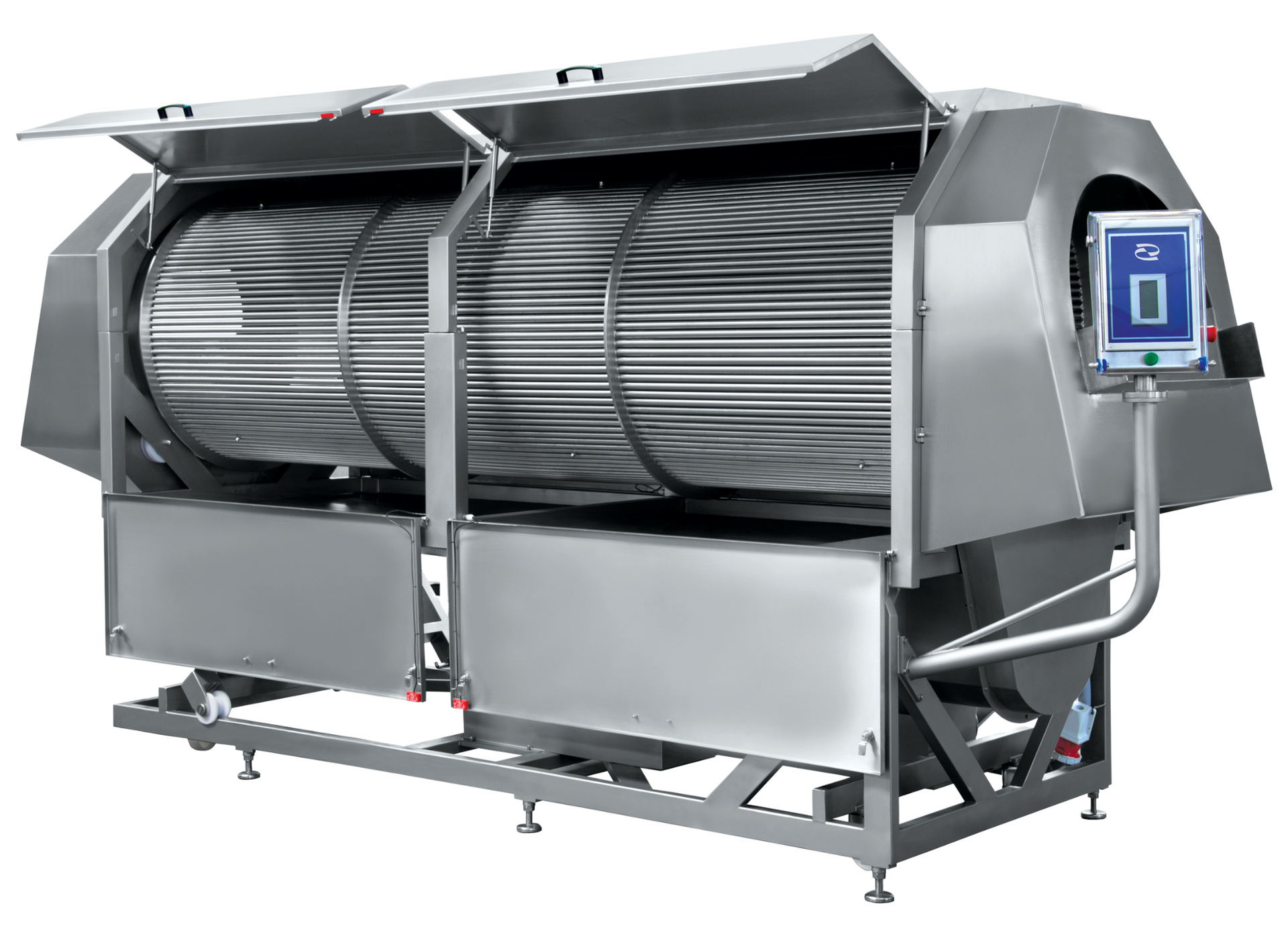
Dripping Tunnels
Drum Length
98 - 138
In.
- Variable Drum Speed: By tailoring the speed of the drum to the specific requirements of the product being processed, the system ensures optimal results in brine absorption, closing of injection holes, protein activation, and overall product quality.
- Variable Drum Angle: Ranging from 0 to 3 degrees, it offers enhanced control over product movement during processing. This incline variation ensures that products are evenly exposed to brine, marinating solutions, or massaging treatments, improving overall uniformity.
Our Customers





Why Choose BAK
Durable, Industrial-Grade Construction:
Built entirely from stainless steel for exceptional durability and long-lasting performance in demanding environments.
Advanced Programmable Control Panel:
Intuitive touch screen allows operators to create and store custom programs by adjusting variables such as tunnel angle and conveyor speed.
Easy Cleaning and Maintenance:
Thoughtfully designed to make routine cleaning and maintenance straightforward and efficient.
Technical Information
Applications
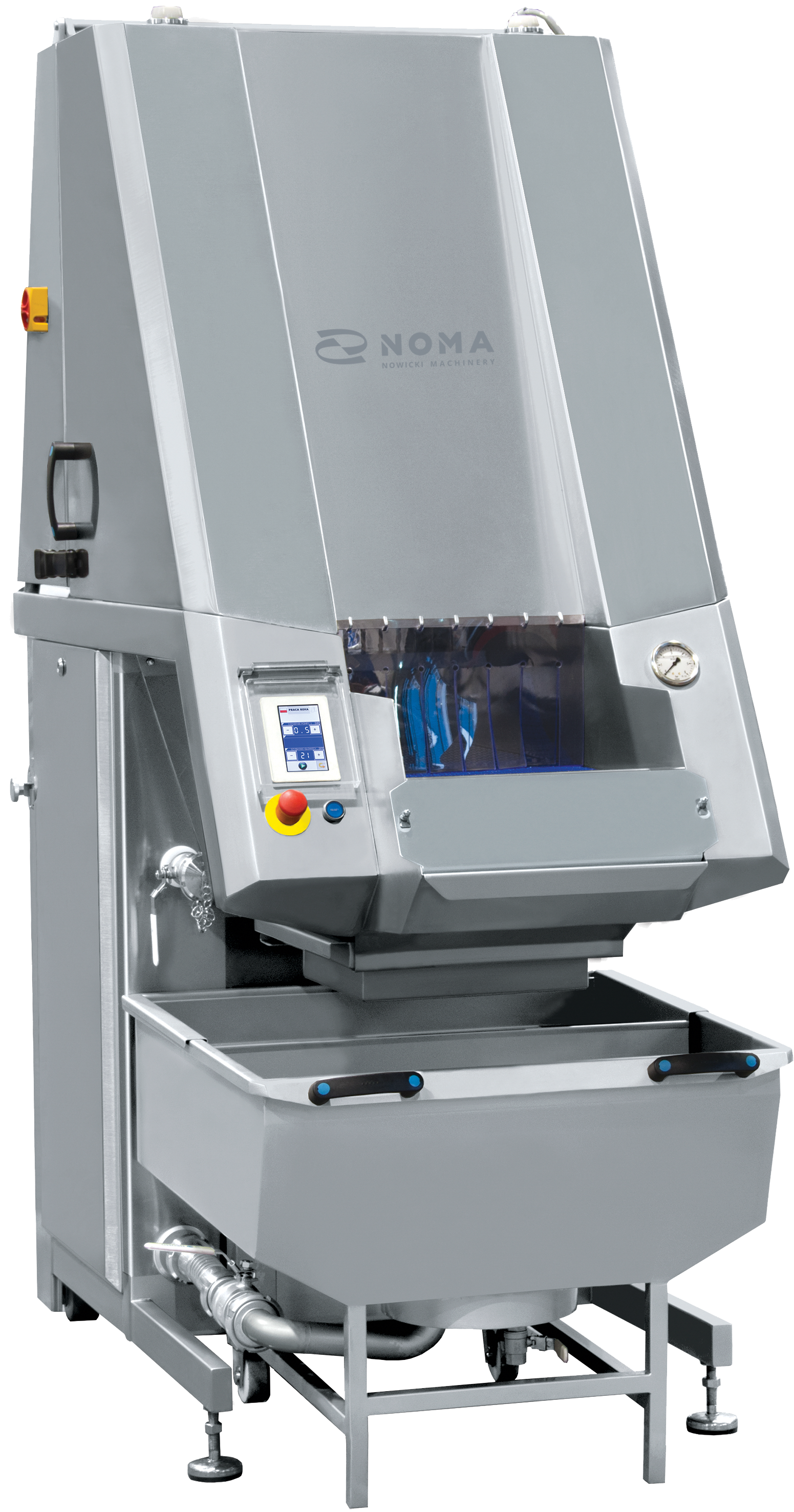
The NOMA dripping tunnels are designed to remove excess brine and seal needle holes formed during the injection process of meat, poultry and seafood.
Dripping Tunnels Options
Snack Stick Case Study
"Before we brought in BAK’s intermeshing paddle mixers, our equipment just couldn’t keep up with what snack sticks demand—the texture was soft, the ‘snap’ wasn’t there, and every batch felt like a gamble. Now, with proper protein extraction and fast, consistent mixing, we’re turning out firm, evenly colored snack sticks we’re proud of. The results gave us the confidence to refocus our portfolio around snack sticks and keep investing in additional mixing and grinding equipment across our plants—it’s reshaped our business." – Leadership team
You Might Also Like
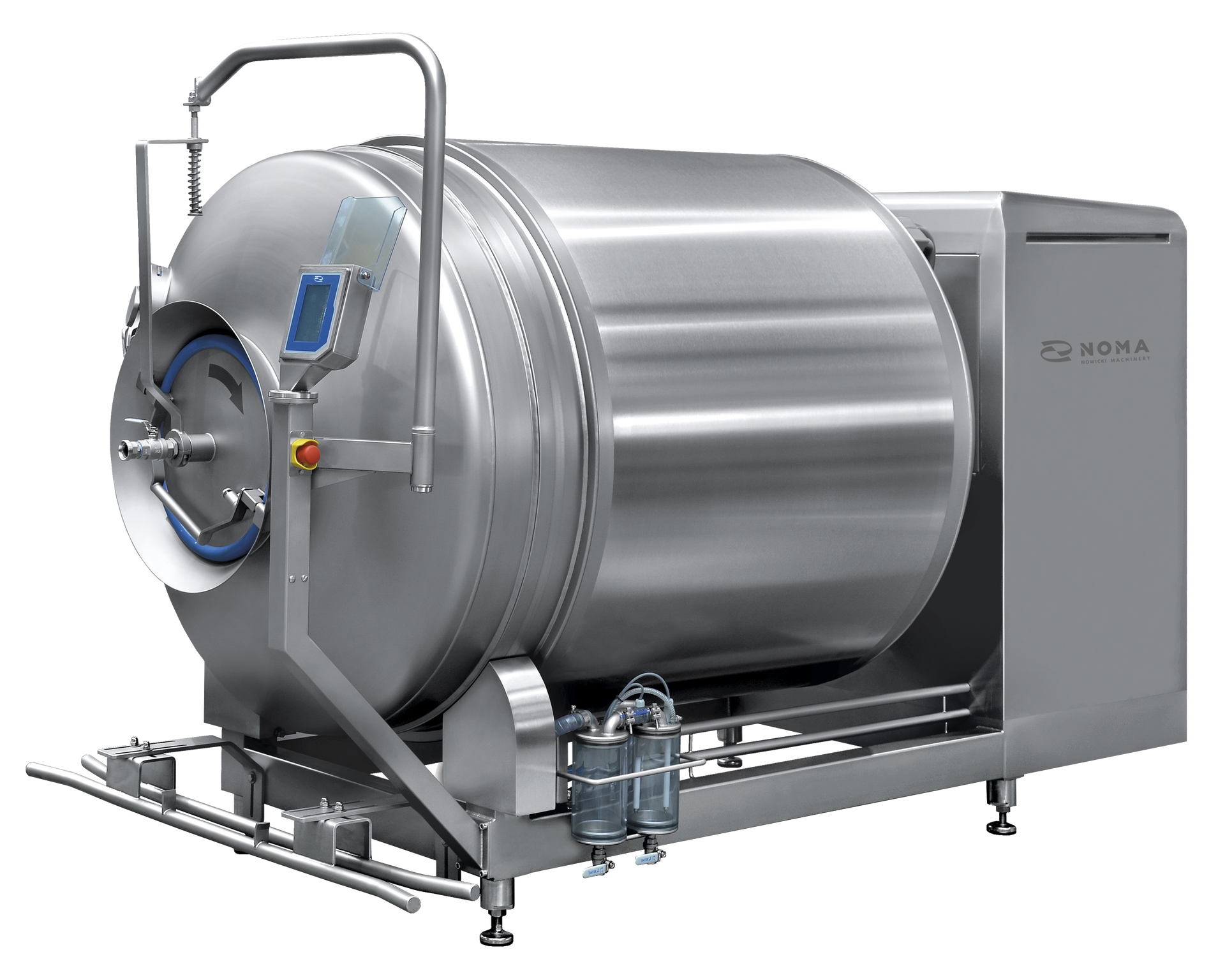
Overview of Meat Dripping Tunnels
What is a dripping tunnel and what role does it play in processing?
Dripping tunnels are specialized systems used in post-injection processing to remove excess brine or marinade from meat, poultry, and seafood products after they have undergone brine injection. The Series TO Dripping Tunnels from BAK Food Equipment are designed to address several critical steps in the production of value-added protein products. These tunnels not only remove surplus brine, but also help seal the needle holes left by injection, activate surface proteins, and improve the overall uniformity and appearance of the product. By managing these aspects, dripping tunnels enhance both the yield and the visual quality of processed products, while also ensuring consistency and efficiency in downstream processing steps.
Why is it a important part after injection/marinating?
After brine or marinade is injected into proteins, excess liquid can remain on the surface, leading to inconsistent product quality and potential issues during further processing such as smoking and thermal treatment. Dripping tunnels efficiently remove this excess brine, ensuring that only the desired amount is retained within the product. Additionally, the gentle tumbling action within the tunnel helps close injection needle holes and activates surface proteins, which is important for product integrity and appearance. This step is a key part of post-injection processing, as it prepares products for subsequent stages and helps maintain high standards of quality and safety.
What products is it used for?
Dripping tunnels are widely used by meat, poultry, and seafood processors who inject brine or marinade into their products. Typical applications include bacon, marinated chicken breasts, enhanced pork loins, injected hams, and seafood items that require uniform brine distribution and surface conditioning. The Series TO Dripping Tunnels are adaptable for different production volumes, with drum lengths ranging from 98 to 138 inches, making them suitable for small, medium and large-scale operations. As part of a modern value-added processing line, these tunnels play a crucial role in ensuring that marinated, injected, or enhanced products meet the highest standards of quality and consistency.
Variable Drum Speed, Product Control & Drip Optimization
How does drum speed affect product results?
Drum speed is a critical factor in the performance of dripping tunnels, directly influencing the quality and consistency of processed proteins. With a variable speed range from 0 to 25 rpm, BAK Food Equipment’s systems allow processors to precisely match the agitation level to the product’s structure. Lower drum speeds are ideal for gently conditioning delicate items such as fish or poultry filets, minimizing physical stress and preserving product integrity. In contrast, higher speeds are used for denser cuts like pork or beef, where increased agitation helps activate proteins, close injection needle holes, and ensure even brine distribution throughout the muscle. This flexibility in drum speed ensures that each product type receives the optimal treatment for its unique requirements, resulting in improved brine retention, enhanced protein activation, and superior overall product quality.
What processing outcomes depend on speed control?
Speed control in dripping tunnels impacts several key processing outcomes. Controlled rotation is essential for effective surface brine removal, ensuring that excess brine is efficiently separated from the product after injection. This not only improves the appearance and uniformity of the final product but also helps retain marinade inside the muscle, reducing loss on the surface. Additionally, the right drum speed promotes protein activation and tackiness, which are important for subsequent forming or breading processes. By fine-tuning the speed, processors can achieve consistent results across different SKUs or meet specific customer requirements, enhancing both product quality and operational efficiency.
Why is variable rotation important for different proteins?
Different proteins require tailored handling to achieve optimal results, making variable drum rotation a necessity in modern meat, poultry, and seafood processing. Delicate proteins, such as fish and poultry filets, benefit from slower, gentler rotation to prevent damage and maintain their natural texture. Conversely, robust proteins like pork and beef require more vigorous agitation to close needle holes left by brine injection and to ensure thorough brine distribution. The ability to adjust drum speed and angle—features available in BAK Food Equipment’s dripping tunnels—gives processors the control needed to optimize brine retention, protein activation, and product appearance for a wide range of protein types. This adaptability is essential for meeting diverse processing specifications and maintaining high standards of product quality.
Variable Drum Angle for Product Movement & Uniform Exposure
Why does drum angle matter?
The angle of the drum in a dripping tunnel is a critical factor in controlling how products move and interact with their environment during post-injection processing. By adjusting the drum inclination between 0 and 3 degrees, operators can fine-tune the dwell time, ensuring that each product receives the optimal amount of exposure to internal tunnel conditions. This is essential for effective brine removal, and sealing of injection holes.
What does a 0–3° adjustment achieve?
A 0–3° drum inclination range provides the flexibility needed to handle a wide variety of product types and processing requirements. At 0°, products experience shorter contact with the tunnel environment, ideal for more delicate products that need less brine removal and have smaller/shallower injection holes. As the angle increases toward 3°, the product has to move uphill, which is beneficial for heavier products that require more time to close injection holes. This range of adjustment ensures that the dripping tunnel can be tailored to achieve optimal results in surface moisture reduction, consistent brine distribution, and closing of injection holes, all of which are essential for high-quality meat, poultry, and seafood processing.
In summary, the variable drum angle is a key aspect of drum engineering in BAK Food Equipment’s dripping tunnels, enabling precise control over product movement, exposure, and conditioning for superior processing outcomes.
Automation, Control Systems & Line Integration
How do dripping tunnels connect to the rest of the line?
Dripping tunnels from BAK Food Equipment are engineered for seamless integration within modern meat processing lines. Positioned directly after brine injectors, these tunnels efficiently remove excess brine and seal needle holes before products move on to downstream equipment such as smoke chambers and natural smoke spirals. This placement ensures that brine removal is handled as a continuous step in the process, supporting line synchronization and minimizing manual handling. The design supports both standalone operation and full integration into continuous-flow systems, allowing processors to optimize efficiency and maintain product quality throughout the entire production line.
What programmable functions are available?
Each dripping tunnel is equipped with an advanced, integrated PLC touchscreen control panel. Operators can easily create and store custom programs, adjusting key variables such as drum speed, drum angle (from 0 to 3 degrees), and conveyor timing to match specific product requirements. This level of recipe programming allows for precise control over brine absorption, protein activation, and the closing of injection holes, ensuring optimal results for a wide range of meat, poultry, and seafood products. The system also offers options for automatic brine recycling, further enhancing operational efficiency.
How do they support consistency in production?
Automated settings and programmable controls ensure that every batch is processed under identical conditions, regardless of shift or operator. By storing and recalling specific programs, the system guarantees repeatability and consistency in brine removal and product conditioning. This reduces the risk of human error and supports continuous processing, which is essential for maintaining high standards in industrial food production. Additionally, the ability to network the control system allows for data logging and centralized recipe management, further supporting quality assurance and process optimization.
Hygiene, Durability & Easy Maintenance
What design features support sanitation?
BAK Food Equipment’s dripping tunnels are engineered with hygiene as a top priority. The smooth drum and frame surfaces are specifically designed to minimize product buildup, making it easier to achieve thorough sanitation during cleaning cycles. The open-frame construction and easy access to interior components allow operators to quickly and effectively clean all areas, reducing the risk of contamination and supporting compliance with stringent food safety standards. Additionally, the washdown design ensures that the equipment can withstand frequent, rigorous cleaning routines without compromising performance or longevity.
Why is stainless steel necessary?
Full stainless steel construction is essential for equipment used in brine removal and post-injection meat processing. Stainless steel offers superior corrosion resistance against brines, marinades, and the harsh chemicals used during washdown procedures. This durability ensures that the equipment maintains its structural integrity and hygienic properties even after years of continuous operation in demanding protein processing environments. The use of stainless steel also supports hygienic engineering principles, as it is non-porous and easy to sanitize, further reducing the risk of bacterial growth.
How is maintenance simplified?
Maintenance is streamlined through thoughtful design features such as easy access panels and an open-frame structure, which minimize downtime during routine service. Operators can quickly reach all critical components for inspection, cleaning, or repairs, ensuring that the equipment remains in optimal working condition. The advanced programmable control panel also allows for easy adjustments and troubleshooting, further simplifying day-to-day operation and maintenance. For facilities focused on sustainability and cost efficiency, the optional Automatic Brine Recycling System not only reduces waste but also lowers operating costs by reclaiming and reusing brine during processing.
Applications Across Meat, Poultry & Seafood Processing
What products benefit from dripping tunnels?
Dripping tunnels are highly effective for a wide range of protein products, particularly those that have undergone brine injection or marination. These systems are ideal for injected beef, pork, poultry, and seafood, including marinated or enhanced products. Brine-dosed products such as bacon, hams, chicken breasts, turkey fillets, and seafood like shrimp or fish fillets all benefit from the precise removal of excess surface brine. The versatility of dripping tunnels makes them a valuable addition to any facility focused on enhanced meat systems or seafood injection prep.
What problems do these systems solve?
One of the primary challenges in post-injection meat processing is the presence of excess brine on the product surface. If not properly removed, this brine can pool or purge in packaging, leading to inconsistent product quality, reduced shelf life, and unappealing presentation. Dripping tunnels address these issues by efficiently removing surface brine, which helps prevent unwanted liquid accumulation in finished packaging. Additionally, these systems seal needle holes left by the injection process, improving product color and appearance while reducing the risk of brine loss during subsequent handling. This surface conditioning step is essential for maintaining spec consistency across large batches and ensuring that every product meets quality standards.
How do dripping tunnels improve yield and appearance?
Dripping tunnels contribute to improved yield by ensuring that the injected brine is absorbed into the protein rather than lost as purge. By sealing needle holes and activating surface proteins, these tunnels help retain moisture and flavor within the product. The result is a juicier, more flavorful end product with enhanced appearance—free from unsightly brine streaks or pooling. Furthermore, the even surface achieved through this process enhances adhesion for breading, forming, cooking, and packaging, supporting downstream processes and improving overall product uniformity. The ability to adjust drum speed and angle allows processors to fine-tune the system for different products, ensuring optimal results for every batch.
Dripping Tunnels Frequently Asked Questions
What is the purpose of a dripping tunnel after injection?
A dripping tunnel is used immediately after the injection process to remove excess brine from meat, poultry, or seafood products. This step is essential for sealing needle holes left by injectors, ensuring a uniform brine distribution, and activating proteins for improved product quality. The dripping tunnels from BAK Food Equipment are specifically engineered for this purpose, supporting consistent results in post-injection meat processing and brine conditioning.
How do drum speed and angle affect results?
Both drum speed and angle are fully adjustable in BAK’s dripping tunnels, allowing processors to tailor the system to the specific needs of each product. Adjusting the drum speed (0-25 rpm) and inclination (0-3 degrees) controls how long and how gently products are tumbled, which impacts brine removal, protein activation, and the closing of injection holes. This flexibility ensures optimal results for a wide range of protein applications, from delicate seafood to robust cuts of meat.
How long does product stay inside the drum?
The time of the product inside the drum depends on the selected drum speed and angle, as well as the length of the tunnel. Operators can program these variables using the advanced touch screen control panel, allowing for precise control over processing time to achieve the desired level of brine removal and product conditioning.
Can the system handle delicate items like fish?
Yes, the dripping tunnels are designed to accommodate a variety of protein types, including delicate items like fish. The ability to finely adjust drum speed and angle ensures gentle handling, minimizing product damage while still effectively removing excess brine and sealing injection sites.
Does the system integrate with injectors?
BAK’s dripping tunnels are engineered for seamless integration with our injection preparation equipment, making them a valuable addition to automated production lines. This compatibility streamlines post-injection processing and supports efficient, continuous brine removal.
Are brine recycling options available?
An automatic brine recycling system is available as an option for BAK’s dripping tunnels. This feature allows processors to recover and reuse brine, reducing waste and improving operational efficiency.
How easy is it to clean?
Sanitation is a top priority in food processing, and BAK’s dripping tunnels are constructed entirely from stainless steel for durability and ease of cleaning. The equipment is thoughtfully designed to make routine cleaning and maintenance straightforward, supporting compliance with strict hygiene standards.
For more information about equipment configuration, integration, or to discuss your specific application, please contact us.
