

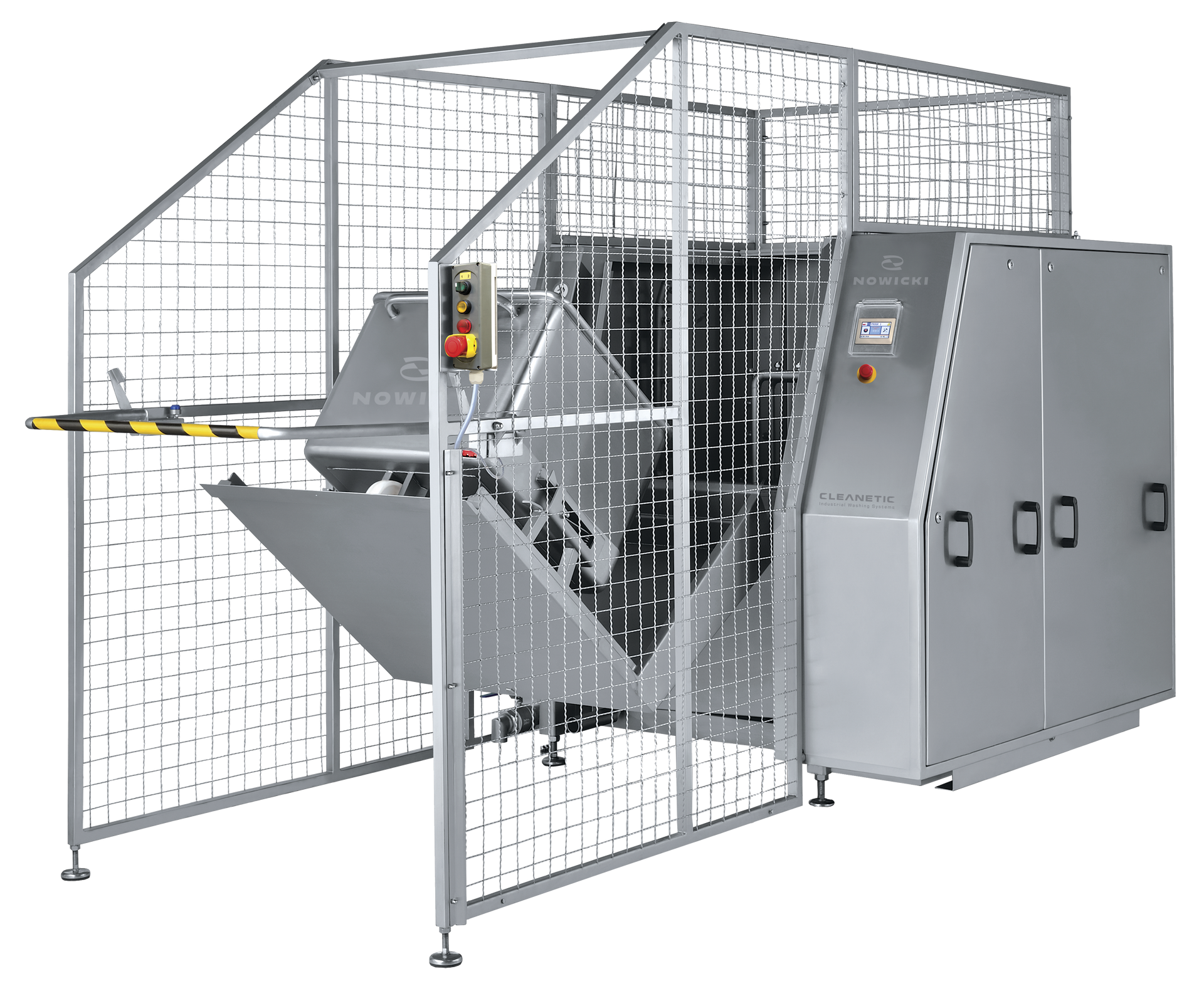
Series MWF
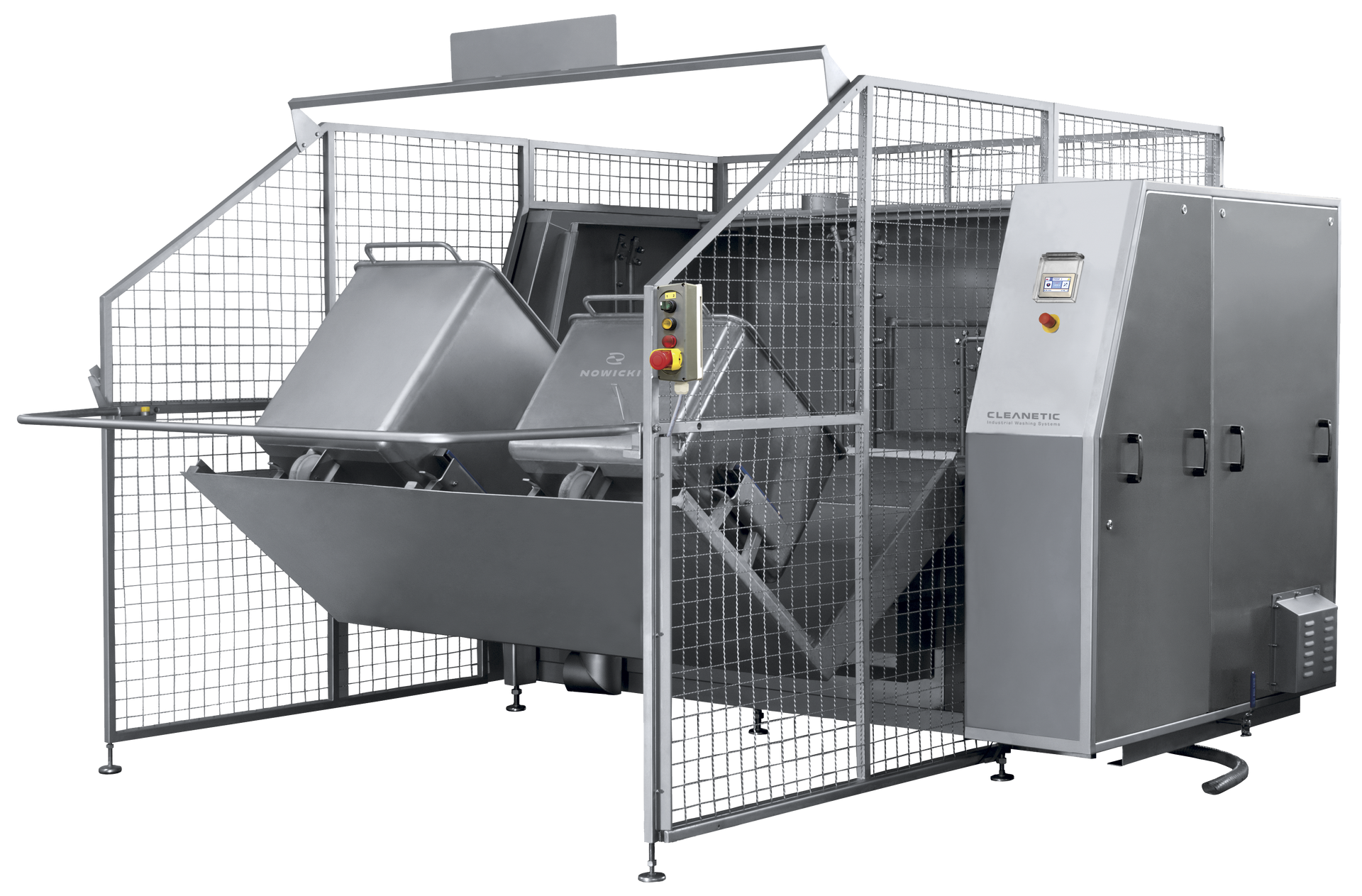
Buggy Washers for Industrial Food Processing
Efficiency
Up to 90
buggies per hour
- Flexible Cart Capacity:
The MWF 1-300 and MWF 2 models are designed to accommodate both 400 Lbs. (200 L) and 600 Lbs. (300 L) carts, offering flexibility for various production needs.
- *MWF 1 can only accommodate 400 Lbs. (200 L) carts
- Variable Control: Easily adjust variable washing parameters such as water temperature, chemical concentration and intensity of rinsing.
- Advanced Safety Features: It includes a multistage protection system, which actively monitors and safeguards the machine throughout the washing process. Additionally, the machine is equipped with a robust safety enclosure and emergency stop mechanisms to prevent accidents and protect operators from harm.
Our Customers



Why Choose BAK
Durable, Industrial-Grade Construction:
Built entirely from stainless steel for exceptional durability and long-lasting performance in demanding environments.
Advanced Programmable Control Panel:
Intuitive touch screen allows operators to create and store custom programs by adjusting variables such as water temperature.
Easy Cleaning and Maintenance:
Thoughtfully designed to make routine cleaning and maintenance straightforward and efficient.
Technical Information
Applications
NOMA buggy washers are specifically designed to clean and sanitize buggies used for transporting ingredients or products in meat processing plants, bakeries, and other food production facilities. By ensuring thorough washing and rinsing, the buggy washers help prevent cross-contamination and maintain compliance with food safety regulations.

Buggy Washers Options
Snack Stick Case Study
"Before we brought in BAK’s intermeshing paddle mixers, our equipment just couldn’t keep up with what snack sticks demand—the texture was soft, the ‘snap’ wasn’t there, and every batch felt like a gamble. Now, with proper protein extraction and fast, consistent mixing, we’re turning out firm, evenly colored snack sticks we’re proud of. The results gave us the confidence to refocus our portfolio around snack sticks and keep investing in additional mixing and grinding equipment across our plants—it’s reshaped our business." – Leadership team
See More of Our Buggy Washers
You Might Also Like
High-Performance Buggy Washers for Food Processing Environments
What is the purpose of the MWF buggy washer series?
The MWF buggy washer series is engineered to deliver consistent, high-level sanitation for food processing environments where hygiene is paramount. These industrial-grade washers are specifically designed to clean and sanitize buggies—also known as Vemag carts or meat industry buggies—that are used to transport ingredients and products in facilities such as meat processing plants, bakeries, prepared foods, spice manufacturers, and pet food production. By automating the cleaning process, the MWF series ensures that every cart is thoroughly washed and rinsed, reducing the risk of cross-contamination and supporting food safety compliance.
Which operations benefit from automated buggy washing?
Automated buggy washing is essential for any operation that relies on the frequent movement of bulk ingredients or finished products in containers. This includes meat and poultry processors, bakeries, spice and seasoning manufacturers, and pet food producers. These industries face strict regulatory requirements and high production volumes, making manual cleaning both impractical and inconsistent. The MWF series, with models capable of handling up to 90 buggies per hour, is ideal for high-demand environments where efficiency and reliability are critical. Its flexible cart capacity accommodates both 400 lb (200 L) and 600 lb (300 L) buggies, ensuring it meets the diverse needs of modern food production facilities.
How does it support sanitation, productivity, and compliance?
The MWF buggy washer series supports sanitation by standardizing wash cycles, ensuring every buggy is cleaned to the same high standard every time. Programmable controls allow operators to adjust water temperature, chemical concentration, and rinse intensity, making it easy to tailor cycles for allergen control and specific sanitation protocols. This level of automation not only improves productivity by reducing manual labor and downtime but also aligns with HACCP support and regulatory requirements. Advanced safety features, such as multistage protection systems and emergency stop mechanisms, safeguard both operators and equipment. Durable stainless steel construction and easy-to-clean design further enhance reliability and longevity, making the MWF series a cornerstone of sanitation automation and industrial cleaning equipment in food processing environments.
Flexible Cart Compatibility Across MWF Models
Which cart sizes does each MWF model support?
The MWF series of buggy washers from BAK Food Equipment is engineered to address the diverse needs of food processing facilities by offering flexible cart compatibility. The MWF 1 model is designed specifically for 400 lb (200 L) carts, making it ideal for operations that standardize on this size. In contrast, the MWF 1-300 and MWF 2 models support both 400 lb (200 L) and 600 lb (300 L) carts. This dual compatibility is particularly valuable for plants that utilize a mix of cart sizes, whether due to legacy equipment or varying production requirements. By accommodating both common sizes of meat industry buggies and bakery ingredient carts, these models ensure that facilities do not need to invest in multiple types of washers for different carts.
Why does capacity flexibility matter?
Capacity flexibility in buggy washers directly impacts operational efficiency and cost-effectiveness. Facilities that process a variety of products or have evolved their equipment over time often end up with a mix of cart sizes. The ability to wash both 400 lb and 600 lb carts in a single machine eliminates the need for separate washing equipment, reducing the equipment footprint and simplifying the sanitation process. This not only saves valuable floor space but also streamlines workflow, as operators can process all carts through the same washer without interruption. Additionally, it reduces maintenance complexity and overall capital investment, making it a practical solution for growing or diversifying production environments.
What production environments need mixed-cart washing?
Mixed-cart washing is essential in production environments where the facility has a variety of cart sizes. Meat processing plants, bakeries, and other food production facilities often face this scenario as they expand or adapt to new product lines. The MWF 1-300 and MWF 2 models are particularly well-suited for these settings, as they allow for seamless sanitation of different cart types without the need for multiple machines. This versatility supports compliance with food safety regulations and helps prevent cross-contamination, all while maintaining an efficient and organized workflow. Cart versatility and buggy size compatibility are therefore critical considerations for any facility aiming to optimize its sanitation process.
Adjustable Washing Parameters for Precision Cleaning
What washing parameters can be adjusted?
Modern buggy washers, such as the MWF series from BAK Food Equipment, offer operators the ability to precisely adjust key washing parameters to meet the specific needs of their facility. These parameters include water temperature, chemical concentration, and rinse intensity. The advanced programmable control panel, featuring an intuitive touch screen, allows users to create and store custom wash cycles by fine-tuning these variables. This level of control ensures that each wash cycle can be tailored to the type and level of soil present on the buggies, as well as the hygiene standards required by the operation.
How does variable control impact cleaning outcomes?
The ability to adjust washing parameters directly impacts the effectiveness and efficiency of the cleaning process. By customizing water temperature, operators can enhance the removal of fats and proteins, while precise chemical dosing ensures optimal microbial reduction without unnecessary chemical waste. Rinse optimization allows for thorough removal of residues, reducing the risk of cross-contamination. These features collectively contribute to consistent cleaning results, regardless of the shift or operator, and help maintain high standards of food safety and sanitation.
Why is precision important in regulated environments?
In regulated environments such as meat processing plants and bakeries, precision in cleaning is critical for compliance with food safety regulations. Programmable cycles standardize the cleaning process, ensuring that every buggy is washed and sanitized to the same high standard, every time. This consistency is essential for passing inspections and audits, as well as for protecting product integrity. Additionally, the ability to document and monitor wash cycle customization, temperature control, chemical dosing, and rinse optimization supports traceability and accountability, further strengthening a facility’s food safety program.
Built-In Safety Systems that Protect Operators and Equipment
What safety features are included?
BAK Food Equipment’s buggy washers are engineered with advanced safety features to ensure both operator protection and equipment longevity. Each unit is equipped with a robust safety enclosure that physically separates operators from moving parts and high-temperature water, significantly reducing the risk of accidental contact. Emergency stop mechanisms are strategically placed for immediate shutdown in case of any unsafe condition, allowing for rapid response to potential hazards. Interlock systems prevent the machine from operating unless all doors and access points are securely closed, further safeguarding against accidental exposure. Additionally, overload and temperature protections are integrated to automatically halt operation if unsafe conditions are detected, protecting both the operator and the machine from harm.
How does the multistage protection system function?
The multistage protection system in BAK’s buggy washers continuously monitors the washing process to ensure safe and reliable operation. This system actively checks to make sure that no operators or foreign objects are in the machines operating area. If any irregularity is identified, the system will immediately trigger safety protocols, including stopping the machine and alerting the operator. This layered approach to safety ensures that risks are minimized at every stage of the cleaning cycle, providing peace of mind for both operators and facility managers.
Why do processors prioritize enclosed, automated designs?
Enclosed systems prevent operators from coming into direct contact with hot water, chemicals, and moving parts, which are common sources of workplace injuries during manual washing. Automation further reduces the need for manual intervention, minimizing the risk of repetitive strain injuries and exposure to hazardous cleaning agents. By integrating these automated safety features, processors not only protect their workforce but also ensure compliance with stringent food safety regulations. The result is a safer, more efficient, and more reliable sanitation process that supports both operator well-being and product integrity. BAK's buggy washer solution emphasizes machine safety and operator protection through industrial safety enclosures and automated sanitation safety.
Stainless Steel Construction for Long-Term Industrial Use
What construction materials are used?
BAK Food Equipment’s buggy washers are constructed entirely from industrial stainless steel. This material choice is critical for equipment that must endure the rigors of food processing environments, where exposure to moisture, aggressive sanitation chemicals, and frequent use is the norm. Stainless steel is renowned for its corrosion resistance, strength, and ability to maintain structural integrity over time, making it the industry standard for sanitation-resistant equipment.
Why does stainless steel matter in washdown environments?
In washdown environments, equipment is subjected to high-pressure water, caustic cleaning agents, and constant exposure to organic materials. Stainless steel’s non-porous surface prevents the absorption of contaminants and resists rust and corrosion, even after repeated cleaning cycles. This ensures that the buggy washer remains hygienic and safe for food contact, supporting compliance with strict food safety regulations. The use of stainless steel also simplifies cleaning and maintenance, as surfaces can be easily wiped down and sanitized without risk of degradation.
How does design influence longevity?
The longevity of BAK Food Equipment’s buggy washers is further enhanced by thoughtful design features. Hygienic welds eliminate crevices where bacteria could accumulate, while reinforced frames provide the structural strength needed for heavy-duty, high-frequency use. Every aspect of the washer, from its robust safety enclosure to its easy-to-clean surfaces, is engineered to withstand the demands of industrial food processing. This commitment to hygienic design and durability ensures reliable performance and a long service life, even in the most challenging production environments.
Intuitive Controls and User-Friendly Operation
How does the programmable control panel improve efficiency?
Modern buggy washers from BAK Food Equipment are equipped with advanced programmable control panels featuring intuitive touchscreen HMI interfaces. These panels allow operators to easily set and adjust key washing parameters such as water temperature, cycle length, chemical dosing, and rinsing intensity. By enabling precise control over each wash cycle, the system ensures optimal cleaning performance for every load. The ability to program and automate these variables not only streamlines the sanitation process but also reduces the risk of human error, leading to greater consistency and efficiency in daily operations. Automated sanitation controls further minimize manual intervention, allowing staff to focus on other critical tasks while the machine runs its programmed cycles.
What can operators customize?
Operators have the flexibility to customize a wide range of washing parameters to suit different types of buggies, soil levels, and sanitation requirements. The touchscreen interface makes it simple to create, adjust, and save multiple washing presets—also known as programmable wash cycles. These presets can be tailored for specific cart sizes, such as 400 lb or 600 lb buggies, or for varying degrees of contamination. This customization ensures that each wash is both thorough and resource-efficient, regardless of the application. The ability to store and recall these settings reduces setup time and ensures that every operator can achieve consistent results with minimal training.
Why do processors value “recipe-based” washing?
Recipe-based washing—where operators select from pre-programmed wash cycles tailored to specific containers and dirt levels—is highly valued in food processing environments. This approach guarantees repeatable, validated cleaning results, which is essential for maintaining food safety and regulatory compliance. By standardizing the washing process, processors can ensure that every buggy, regardless of its previous use or soil level, receives the appropriate level of cleaning and sanitation. This not only improves product safety but also reduces training time for new staff, as they can simply select the correct preset rather than manually configuring each cycle. Ultimately, recipe-based washing supports operational efficiency, product quality, and peace of mind for processors.
Low-Maintenance Design for Reduced Operating Costs
How does design simplify cleaning?
BAK Food Equipment’s buggy washers are engineered with easy-access panels and a self-draining design, making routine cleaning and maintenance straightforward and efficient. The stainless steel construction not only ensures durability but also resists buildup, allowing operators to quickly reach internal components for thorough cleaning. This thoughtful design reduces downtime between cleaning cycles, supporting higher productivity and consistent cleaning efficiency.
What features lower long-term costs?
Durable, industrial-grade pumps and simplified piping systems are at the core of BAK’s buggy washers, minimizing the need for frequent repairs or part replacements. The robust construction and intuitive programmable control panel further reduce operator error and maintenance requirements. By streamlining maintenance tasks and extending equipment lifespan, these features help lower total cost of ownership and keep operating costs predictable.
What optional filtration solutions are available?
To further enhance performance and reduce recurring costs, BAK offers optional rotary filters for its buggy washers. These rotary filters extend water life by capturing debris before it can accumulate in the system, supporting water recycling and reducing the frequency of water changes. This not only cuts down on water and chemical usage but also helps maintain optimal cleaning performance over time, making the equipment a smart choice for facilities focused on sustainability and low-maintenance equipment.
Buggy Washer FAQs
What is a buggy washer?
A buggy washer is a specialized piece of food processing sanitation equipment designed to clean and sanitize buggies, also known as Vemag carts or meat industry buggies, which are commonly used to transport ingredients or products in food production facilities. These machines ensure that containers are thoroughly washed and rinsed, helping to prevent cross-contamination and maintain compliance with food safety regulations.
What is the throughput of the MWF buggy washer?
The throughput of the MWF buggy washer depends on the model. The MWF 1 and MWF 1-300 models can wash up to 60 buggies per hour, while the MWF 2 model can handle up to 90 buggies per hour. This high capacity makes the MWF series suitable for demanding industrial environments where efficiency and speed are critical.
Which cart sizes are supported?
The MWF 1 model is designed specifically for 400 lb (200 L) carts. The MWF 1-300 and MWF 2 models offer greater flexibility, accommodating both 400 lb (200 L) and 600 lb (300 L) carts. This versatility allows facilities to use the same washer for different cart sizes, streamlining operations and reducing equipment needs.
What safety features are included?
MWF buggy washers are equipped with advanced safety features to protect operators and prevent accidents. These include a multistage protection system that actively monitors the machine during operation, a full safety enclosure, and emergency stop mechanisms. These features ensure that the washing process is both safe and reliable.
Can operators customize washing settings?
Yes, operators can easily adjust and save washing parameters such as water temperature, chemical concentration, and rinse intensity using the advanced programmable control panel with an intuitive touch screen. This allows facilities to create custom programs tailored to specific sanitation requirements, ensuring optimal cleaning performance for different applications.
Does the MWF washer help with cross-contamination prevention?
Absolutely. The MWF buggy washer delivers consistent, high-temperature washing and thorough rinsing, which significantly reduces microbial loads and allergen risks. This helps food processing facilities maintain high standards of hygiene and comply with industry regulations.
Are optional filtration or monitoring systems available?
Facilities can enhance their MWF buggy washer with optional features such as a SCADA monitoring system for improved traceability and process control, or a rotary filtration system to increase water efficiency and sanitation effectiveness. These options allow for greater customization based on specific operational needs.
Is the system easy to maintain?
The MWF buggy washer is designed for easy cleaning and maintenance. Its sanitary design, smooth stainless steel surfaces, and easy-access panels simplify routine upkeep, helping to minimize service downtime and ensure long-lasting performance.
For more information or to discuss your facility’s needs, please contact us.
