

Flakers, Dripping Tunnels, and Tenderizers
Process and enhance your products with BAK Food Equipment’s flakers, dripping tunnels, and tenderizers
About Our Flakers, Dripping Tunnels, and Tenderizers
What processing challenges do flakers, dripping tunnels, and tenderizers solve?
Flakers, dripping tunnels, and tenderizers are essential components in modern protein processing systems, each addressing specific challenges in food production. Flakers are designed to efficiently break down frozen blocks of meat or other food, making them easier to handle and process further. Dripping tunnels are specialized for brine removal, closing injection holes, and ensuring that excess liquid is effectively managed before the next processing step. Tenderizers, including both standard and macerator tenderizer models, are used to improve the texture and tenderness of meat products, enhancing product quality and consistency.
Why do processors use these systems in their production lines?
Processors incorporate flakers, dripping tunnels, and tenderizers into their production lines to support consistency, efficiency, and optimal product quality. Flakers streamline the handling of frozen raw materials, reducing manual labor and improving throughput. Dripping tunnels close injection pores and help maintain precise moisture levels, which is critical for maintaining product quality going into smoking or thermal treatment. Tenderizers ensure that meat products meet desired texture standards, which is especially important for consumer satisfaction and product uniformity. By integrating these machines, processors can achieve higher food production efficiency and maintain reliable output.
What applications or industries benefit from these machines?
A wide range of industries benefit from the use of flakers, dripping tunnels, and tenderizers, including meat processing, poultry, seafood, and other protein-based food production sectors. These machines are particularly valuable in operations where frozen block processing, closing injection pores, and meat tenderizing equipment are required to meet high-volume demands and strict quality standards. BAK Food Equipment solutions are engineered for hygiene, throughput, and durability, making them suitable for both small-scale and large-scale industrial applications.
Flakers Overview
What does a flaker do and what types of products can it process?
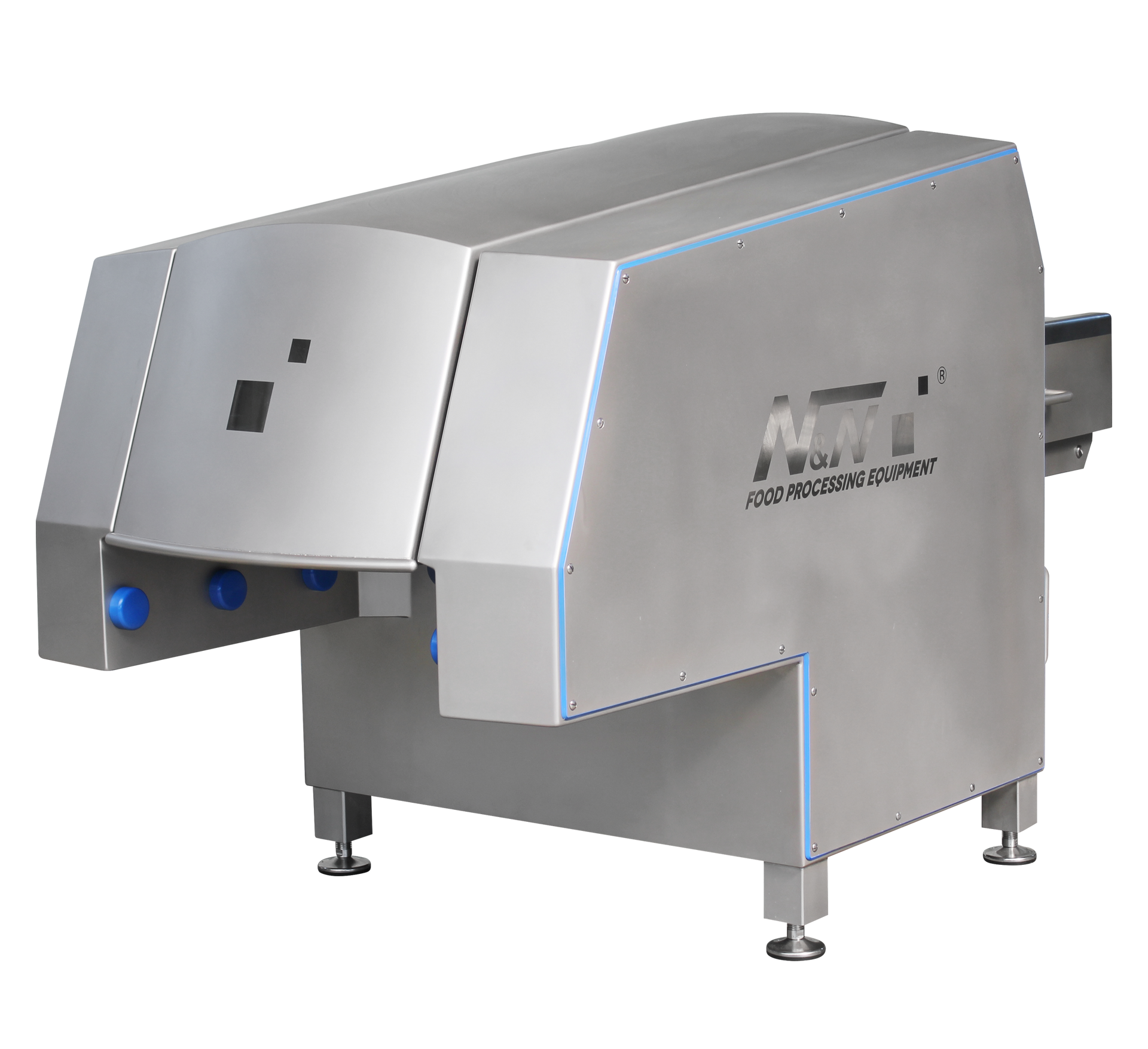
A flaker is a specialized piece of food processing equipment designed to reduce large frozen blocks of product into manageable, uniform flakes. This process is essential for preparing ingredients for further processing steps such as grinding or emulsifying. Flakers are commonly used to process a wide range of products, including meat, poultry, seafood, cheese, and even certain confectionery items. By breaking down frozen blocks, flakers help streamline production and ensure consistent product quality across various applications.
What makes BAK flakers unique?
BAK flakers stand out due to their robust stainless-steel construction, which ensures durability and easy sanitation in demanding food processing environments. These machines are engineered for operator ease, featuring intuitive controls and low-noise operation to enhance workplace comfort and safety. Precision is a hallmark of BAK flakers, with adjustable cutting thickness options and cross-cutting capabilities that allow for tailored flake sizes to meet specific processing requirements. Additionally, a variety of blade styles are available to accommodate different product textures and downstream applications, such as bow cutters, and grinders. Safety features are integrated throughout the design to protect operators and maintain compliance with industry standards.
What are the common use cases in meat, poultry, seafood, dairy, and confectionery?
In meat and poultry processing, flakers are used to prepare frozen blocks for grinding or emulsifying, ensuring even distribution of ingredients and optimal texture in finished products. In the dairy sector, cheese flakers are employed to break down large blocks of cheese for shredding, melting, or mixing. Confectionery manufacturers use flakers to process frozen ingredients or inclusions, supporting consistent product quality and efficient production. Across all these applications, flakers play a critical role in block reduction equipment, supporting efficient, high-quality food production.
Dripping Tunnels Overview
What role do dripping tunnels play after brine injection?
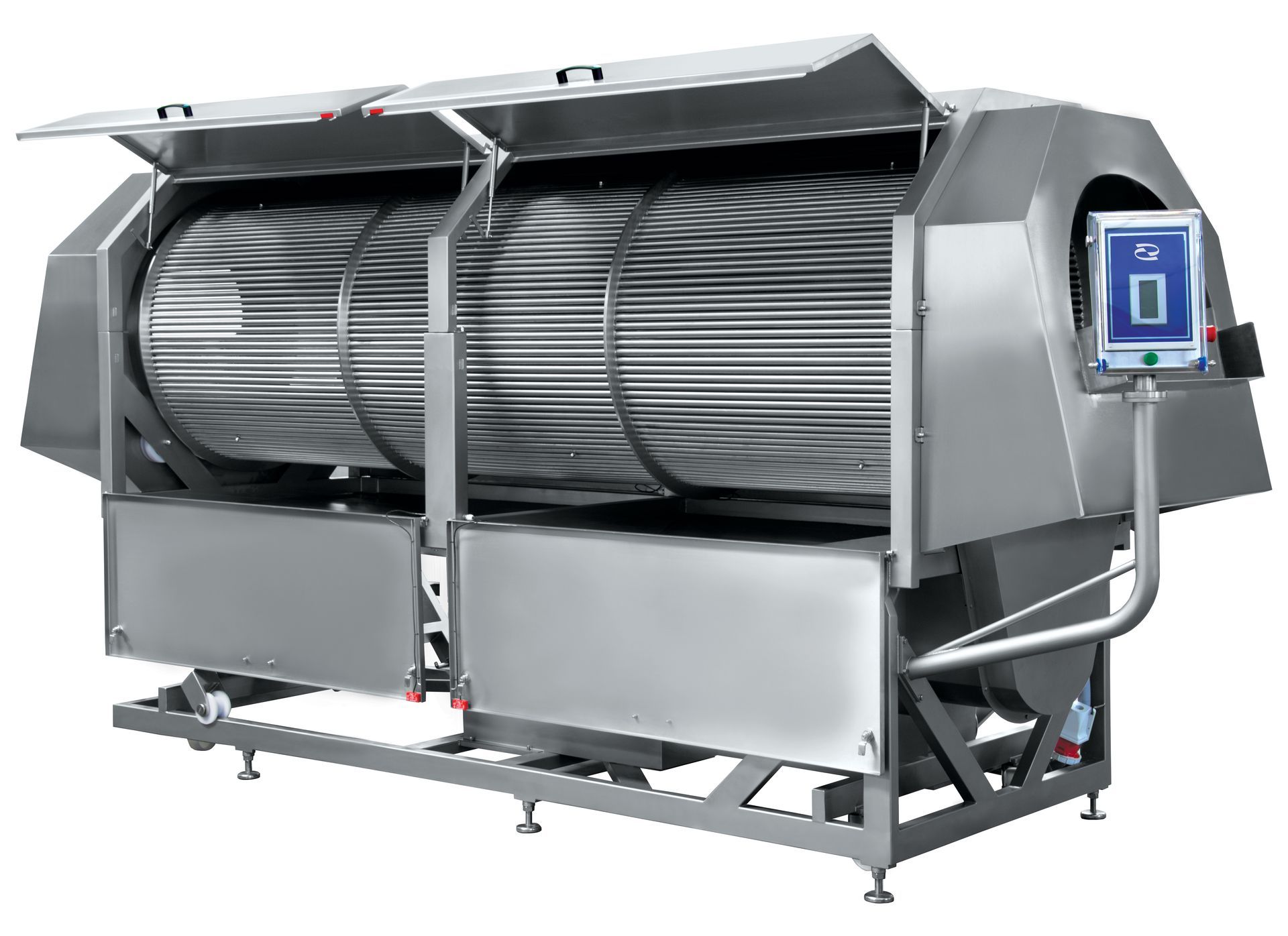
Dripping tunnels are a critical component of post-injection equipment in meat processing. After brine is injected into meat products to enhance flavor, juiciness, and shelf life, excess brine can remain on the surface and needle holes left open. Dripping tunnels serve as a brine removal system, allowing excess brine to drip off and helping to close needle holes. This process ensures more uniform curing and improves marinade absorption, resulting in a higher-quality finished product. By removing surface brine, dripping tunnels also help maintain product consistency and reduce the risk of uneven seasoning or texture.
How does variable drum speed and angle improve product quality?
Modern dripping tunnels are equipped with adjustable drum speed and incline, as well as advanced control panels for programmable results. The ability to fine-tune these parameters allows processors to optimize the removal of excess brine for different product types and sizes. Variable speed and angle ensure that each product receives the right amount of agitation and exposure, which not only enhances brine removal but also helps close injection sites more effectively. This flexibility leads to improved product quality, better marinade absorption, and more consistent results across batches.
What industries commonly use these systems?
Dripping tunnels are widely used in the meat and protein processing industries, particularly in facilities that produce marinated or cured products such as bacon, poultry, and ready-to-cook meats. These systems are often integrated into automated production lines alongside meat massaging systems and other post-injection equipment. Their stainless steel construction and hygienic design make them suitable for high-volume, sanitary environments. Add-on options, such as automatic brine recycling systems, further enhance efficiency and sustainability, making dripping tunnels a valuable asset for processors seeking to improve product quality and operational performance.
Standard Tenderizers Overview
How do tenderizers improve meat texture and product quality?
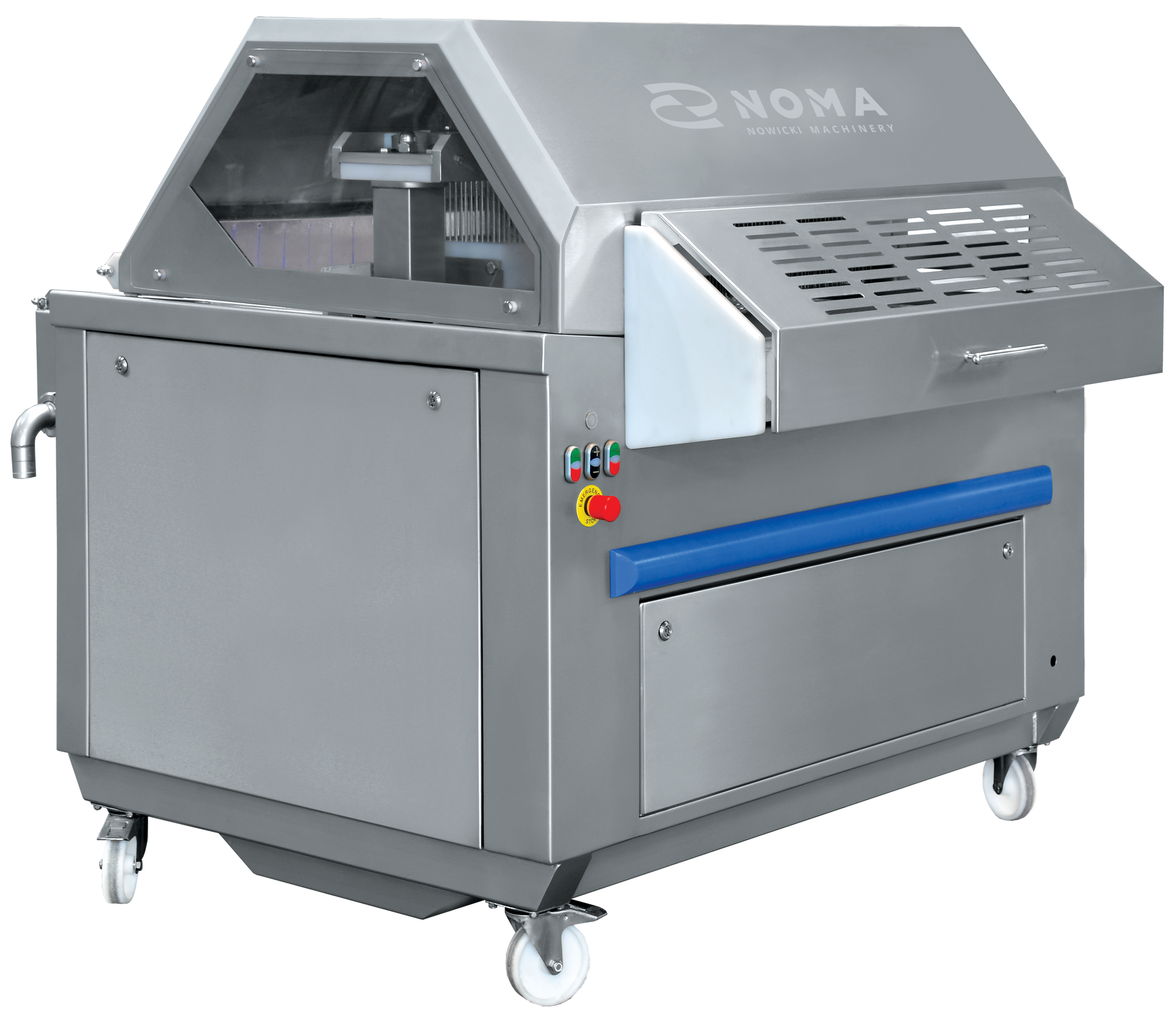
Meat tenderizing machines work by making small, precise incisions in the muscle fibers of proteins. These incisions break down tough connective tissues, resulting in a more tender texture and improved mouthfeel. This process not only enhances tenderness but also increases product yield by allowing marinades and seasonings to penetrate more deeply and evenly. The use of tenderizer knives ensures consistent results, making the final product more appealing and easier to cook.
What makes NOMA tenderizers different?
NOMA tenderizers stand out due to their advanced features designed for both efficiency and versatility. One key differentiator is the adjustable head speed, which allows operators to fine-tune the tenderizing process for delicate cuts like chicken breasts or seafood, as well as tougher cuts such as pork loins and roasts. Additionally, the TM Series features a magnetic tenderizing head, enabling safe and effective tenderizing of both bone-in and boneless products without breaking bones. This innovation supports bone-in tenderizing while maintaining product integrity and safety.
What types of proteins benefit most from tenderizing?
A wide range of proteins benefit from the use of industrial tenderizers. Common applications include beef steaks, pork roasts, chicken breasts, pork loins, and various seafood products. The ability to adjust the tenderizing process ensures that each protein type receives the optimal treatment for texture improvement. Whether processing large volumes in a commercial setting or handling specialty cuts, a meat tenderizing machine is essential for achieving consistent, high-quality results across different protein types.
By leveraging advanced features such as adjustable head speed and magnetic tenderizing heads, BAK Food Equipment’s tenderizers deliver superior protein texture improvement and operational flexibility for modern meat processing operations.
Macerator | Tenderizer Overview
How does maceration differ from tenderizing?
Maceration and tenderizing are two distinct processes used in meat processing to enhance product quality. Maceration involves opening the protein surfaces of meat, which increases the surface area and allows for improved thermal processing, curing, or marination. This process is particularly effective for promoting protein extraction and ensuring that flavors and curing agents penetrate more deeply and evenly. In contrast, tenderizing focuses on breaking down muscle fibers to make the meat softer and easier to chew. While both processes improve the final product, maceration is primarily about surface expansion and preparation for further processing, whereas tenderizing is about texture modification.
What makes the dual-function system valuable for processors?
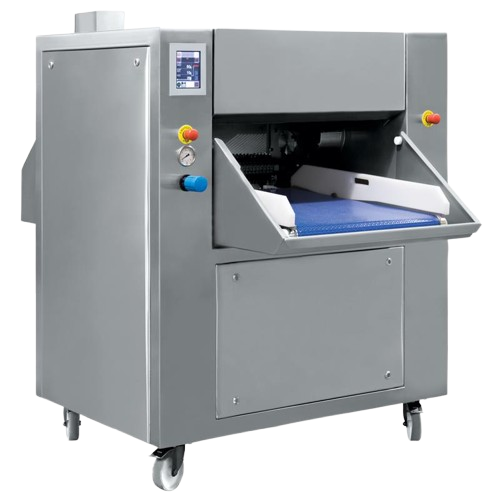
A dual-purpose tenderizer and macerator system offers significant value to processors by providing flexibility and efficiency in a single piece of equipment. These systems feature interchangeable shaft shapes and knife options, allowing operators to switch between macerating and tenderizing functions as needed. This adaptability reduces the need for multiple machines, streamlines production lines, and minimizes downtime during changeovers. Additionally, synchronized transport tables ensure continuous and consistent feeding of products, which supports high throughput and uniform results across batches.
What are typical use cases?
Dual-function macerator and tenderizer systems are ideal for a variety of protein products. Common applications include hams, turkey breasts, chicken breasts, thin steaks, and pork patties. In these use cases, the macerating machine expands the meat surface to facilitate better marination or curing, while the tenderizer function ensures the final product is soft and palatable. This versatility makes the equipment a valuable asset in any protein processing system, supporting both product quality and operational efficiency.
Benefits of Choosing BAK Food Equipment
Why choose BAK for processing equipment?
BAK Food Equipment stands out as a food processing equipment supplier by delivering engineering excellence and a deep understanding of the protein processing industry. Our equipment, including flakers, dripping tunnels, and tenderizers, is designed with a focus on USDA-ready equipment standards, ensuring hygiene, safety, and durability. Customers benefit from robust machines that are built to withstand heavy usage. Our industrial meat processing solutions, providing reliable performance and long service life.
What support or expertise do customers gain?
When you partner with BAK Food Equipment, you gain access to U.S.-based technical support, expert installation, and comprehensive service. Our team is available to assist with troubleshooting, maintenance, and parts availability, ensuring your operations run smoothly. We understand the unique challenges of protein processing systems and offer guidance to help you maximize productivity and maintain compliance with industry regulations.
How do these machines integrate into existing production lines?
BAK’s food equipment is engineered for seamless production line integration. Our flakers, tenderizers, and dripping tunnels are compatible with upstream and downstream equipment such as mixers, tumblers, injectors, and conveyors. This integration capability allows processors to enhance efficiency, streamline workflows, and adapt to evolving production needs without major disruptions. By choosing BAK, you ensure your facility is equipped with solutions that fit into your current processes and support future growth.
Bak Food Equipment FAQs
What products can be processed with flakers, dripping tunnels, and tenderizers?
BAK Food Equipment’s flakers, dripping tunnels, and tenderizers are engineered to handle a wide range of products, including meat, poultry, seafood, dairy, and certain confectionery items, depending on the specific machine. Flakers are designed to cut frozen blocks of product, making them suitable for further processing. Dripping tunnels are used primarily for products that have been injected with brine, such as hams or poultry, while tenderizers and macerators are ideal for improving the texture, yield, and uniformity of various protein products.
How do flakers improve downstream processing?
Flakers play a crucial role in preparing frozen blocks by cutting them into uniform particle sizes. This uniformity ensures that subsequent processes—such as grinding or emulsifying—are more efficient and consistent. By reducing the strain on grinders or cutters, flakers help maintain product quality and streamline production.
What is the purpose of a dripping tunnel?
A dripping tunnel is designed to remove excess brine from products after injection. It also helps close needle holes left by the injection process, resulting in more consistent brine distribution and improved product quality. This step is essential for achieving uniform flavor and texture in the final product.
What is the difference between tenderizing and macerating?
Tenderizing involves creating small incisions in muscle fibers to improve the texture and tenderness of meat. Macerating, on the other hand, opens up the surface of proteins, which enhances marination, curing, and thermal processing. Both processes are important for optimizing product quality, but they serve distinct purposes in protein processing systems.
Can these machines integrate into my current processing line?
Yes. BAK Food Equipment systems are designed for seamless integration with existing processing lines, including injectors, tumblers, conveyors, and automated production lines. Custom configurations are available to ensure compatibility with your specific requirements.
Are the machines easy to clean and maintain?
All BAK systems are constructed from stainless steel and feature accessible components and easy-clean designs. Optional features are available to further reduce downtime and simplify maintenance, supporting food safety and operational efficiency.
Do tenderizers work with bone-in products?
The TM Series magnetic tenderizing head from BAK Food Equipment is specifically engineered to safely process bone-in cuts. This design ensures that bones are not damaged and product quality is not compromised during tenderizing.
For more information or to discuss your specific processing needs, please contact us.
