

Best Vacuum Tumbler Marinator Solutions for Professional Food Processing
Introduction to Vacuum Tumbler Marination
What is vacuum tumbler marination and how does it work?
Vacuum tumbler marination is a process that uses specialized equipment to enhance the absorption of marinades into food products, most commonly meats, seafood, and plant-based proteins. The core principle involves placing the product and marinade inside a sealed drum, then applying a vacuum to remove air. This pressure differential causes the fibers of the product to expand, allowing the marinade to penetrate more deeply and rapidly than traditional soaking methods. As the drum rotates, the tumbling action further massages and moves the product, ensuring even distribution of flavors and moisture throughout each piece. This method is especially effective for commercial food processors seeking consistent results and high product quality.
Why is vacuum marination preferred in commercial food processing?
Vacuum marination is favored in commercial settings because it significantly reduces marination time while improving product consistency. By leveraging the vacuum environment, processors can achieve uniform flavor absorption and moisture retention in a fraction of the time required by static marination. This not only streamlines production but also enhances the color and texture of the final product. The process is adaptable across a wide range of applications, including meat, seafood, and plant-based products, making it a versatile solution for modern food manufacturers.
What efficiency and quality advantages does it provide over traditional soaking?
Compared to traditional soaking, vacuum tumbler marination delivers several key benefits. First, it accelerates the marination process, reducing cycle times from hours to minutes in many cases. This leads to higher throughput and better utilization of labor and equipment. Second, the vacuum environment enhances marinade uptake, resulting in improved yield and juicier, more flavorful products. The tumbling action also ensures that each piece is evenly coated, minimizing variability and waste. These advantages make vacuum marination a preferred choice for processors aiming to maximize both efficiency and product quality. When evaluating tumbler vs traditional marination, the benefits of vacuum marination are clear: faster processing, superior flavor penetration, and more consistent results across a variety of food categories.
Evaluating Vacuum Tumbler Design and Function
What engineering features most influence marination quality?
The quality of marination in a vacuum tumbler is primarily determined by several key engineering features: drum volume, rotation speed, vacuum stability, and control programmability. Drum volume must be matched to the batch size to ensure optimal product movement and exposure to the marinade. If the drum is too full or too empty, brine distribution becomes uneven, leading to inconsistent flavor and texture. Rotation speed is equally important; too fast and the product may be damaged, too slow and the marinade may not penetrate effectively. Vacuum stability is critical for protein extraction and brine absorption—consistent vacuum strength in tumblers ensures that the marinade is drawn deep into the product, improving yield and uniformity. Finally, programmable controls allow operators to fine-tune cycles for different products, ensuring repeatable results and efficient processing.
How do drum design, vacuum integrity, and control precision affect results?
Drum design, including the shape and internal layout, directly impacts how products tumble and interact with the marinade. Well-designed drums promote gentle yet thorough mixing and massaging, maximizing surface contact without damaging delicate items. Vacuum integrity is essential; any loss of vacuum during the cycle can reduce marinade uptake and compromise product quality. High-quality commercial meat tumblers are designed to maintain consistent vacuum levels for reliable operation. Control precision—such as the ability to set and monitor cycle times, drum rotation speed, and vacuum levels—enables processors to adapt to different recipes and product types, ensuring consistent brine distribution and protein extraction across batches.
What distinguishes industrial vacuum tumblers from smaller-scale systems?
Industrial vacuum tumblers differ from smaller-scale systems in several ways. They offer larger drum capacities, more powerful and stable vacuum systems, and advanced programmable controls for precise process management. These features support higher throughput and greater consistency, which are essential for commercial operations. Industrial models are also built for durability and easy cleaning, meeting the rigorous demands of continuous production environments. In contrast, smaller systems may lack continuous vacuum capability, vacuum strength, programmability, and robust construction needed for high-volume, high-quality marination. For processors seeking to maximize yield and product quality, investing in a well-designed industrial vacuum tumbler is essential.
Vacuum Marination Fundamentals
How should operators establish key process parameters for consistent results?
Establishing reliable process parameters is essential for achieving consistent, high-quality results in vacuum marination. New operators should begin by working with a trusted partner like BAK Food Equipment to establish baseline marination settings while established operators may rely on their previous experience. These settings typically include suggested vacuum levels, tumbling times, and product load capacities. However, adjustments may be necessary based on the specific protein, marinade composition, and batch size. It is important to document all parameters and changes to ensure repeatability across batches.
What variables—vacuum level, time, drum speed, and product load—require monitoring?
Key variables that require close monitoring during vacuum marination include vacuum level, marination time, and product load. The vacuum level should be set according to the product type and desired marinade penetration, as insufficient vacuum can lead to uneven flavor distribution, while excessive vacuum may damage delicate proteins. Marination time must be optimized to allow for thorough absorption without over-processing, which can negatively affect texture. Drum rotation speed should be set such that the product is not damaged by too high of a speed, but fast enough to maintain efficient processing times. Product load should not exceed the recommended capacity of the vacuum tumbler, as overloading can reduce tumbling efficiency and result in inconsistent marination. Operators should also monitor temperature and hygiene throughout the process to ensure compliance with food safety standards. Implementing these vacuum marination tips supports both product quality and safety.
How do different protein structures respond to vacuum conditions?
Different protein structures—such as those found in red meat, poultry, seafood, and plant-based products—respond uniquely to vacuum marination. Red meats are typically less delicate and benefit from improved tenderness under vacuum, while poultry requires careful control to avoid over-tenderization. Seafood, being more delicate, demands lower vacuum levels and shorter marination times to preserve texture and prevent protein breakdown. Plant-based proteins may require tailored vacuum marination equipment settings to achieve optimal flavor absorption without compromising structural integrity. Understanding these differences allows operators to fine-tune their vacuum tumbler setup for each product type, ensuring both quality and safety. Maintaining strict hygiene and following vacuum marination safety protocols are critical, regardless of the protein being processed.
Advanced Marination Applications
How can vacuum tumbling be adapted for diverse food types?
Vacuum tumbling technology is highly versatile and can be tailored to suit a wide range of food products, including red meat, poultry, seafood, and plant-based proteins. For poultry, vacuum tumblers help ensure even distribution of marinades, resulting in improved moisture retention and enhanced flavor penetration. When processing seafood and plant-based proteins, gentle drum motion and precise vacuum control are essential to maintain delicate texture and prevent product breakage. By adjusting drum speed, cycle duration, and vacuum intensity, processors can achieve ideal results for each protein type, ensuring both texture and color retention are maximized.
What are advanced techniques to optimize texture and flavor development?
Advanced vacuum marination techniques go beyond basic tumbling by incorporating process controls such as temperature regulation and load cells. Using a jacketed cooling system, operators can ensure the product does not overheat during the tumbling process ensuring product safety and quality. Some products may benefit from a heating jacket such as sauces. Load cells ensure that the proper amount of product, marinade, and other ingredients are in the tumbler to ensure consistent results from batch to batch. These advanced techniques, when combined, allow processors to fine-tune marination outcomes for specific product requirements, whether working with traditional meats or innovative plant-based alternatives.
How does precise vacuum control improve consistency across product lines?
Precise vacuum control is fundamental to achieving consistent results in marinated products, especially in large-scale or automated production environments. By maintaining exact vacuum levels throughout the tumbling cycle, processors can ensure that each batch receives uniform marinade absorption and texture development. This level of control is particularly important when producing a variety of products on the same line, as it minimizes batch-to-batch variability and supports high product quality standards. Advanced vacuum marination equipment, such as those offered by BAK Food Equipment, often features programmable settings for vacuum level, drum rotation speed, and cycle timing, enabling operators to replicate optimal conditions across different product lines. This not only improves efficiency but also helps maintain the desired sensory attributes—such as flavor intensity and tenderness—across all marinated products.
Performance Insights: Comparing Modern Vacuum Systems
What differentiates current-generation vacuum tumblers?
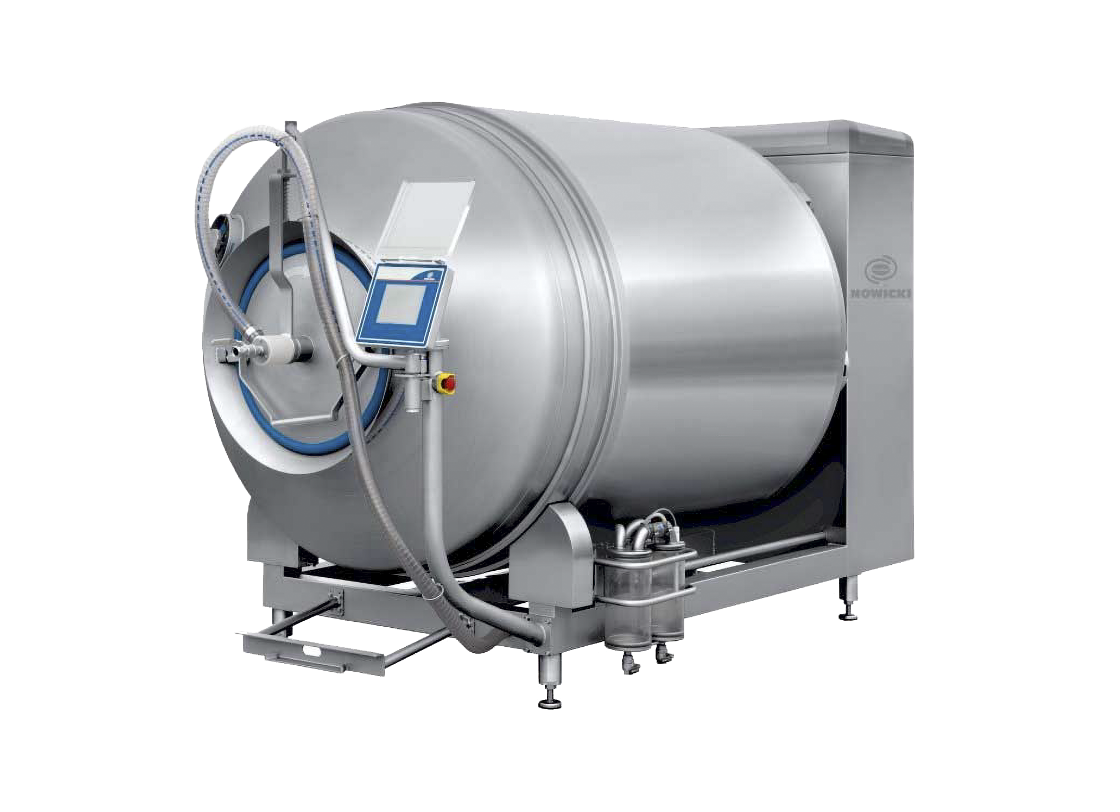
Modern vacuum tumblers stand apart from earlier models through a combination of advanced automation, precision control, and continuous operation capabilities. Today’s systems, such as those offered by BAK Food Equipment, feature automated cycle control that allows operators to program and monitor marination cycles with minimal manual intervention. This not only streamlines workflow but also ensures repeatable, high-quality results across batches. Additionally, the integration of data logging provides detailed records of each cycle, supporting process validation and traceability—key requirements in today’s food safety landscape. Compared to traditional models, these innovations enable more consistent marination, improved product color, and enhanced overall quality, making them a superior choice for processors seeking reliability and efficiency.
Which technological updates have improved efficiency or automation?
Recent technological advancements in automated tumbling systems have significantly improved both efficiency and automation. Features such as programmable control panels, touch-screen interfaces, and remote monitoring capabilities allow for precise adjustment of tumbling parameters and real-time oversight of the process. Automated loading and unloading options further reduce manual labor and downtime, while self-cleaning cycles help maintain hygiene standards with less operator involvement. These updates not only boost throughput but also minimize the risk of human error, ensuring that each batch meets strict quality standards. The result is a more streamlined operation that can adapt quickly to changing production demands.
How do continuous vacuum systems enhance yield and consistency?
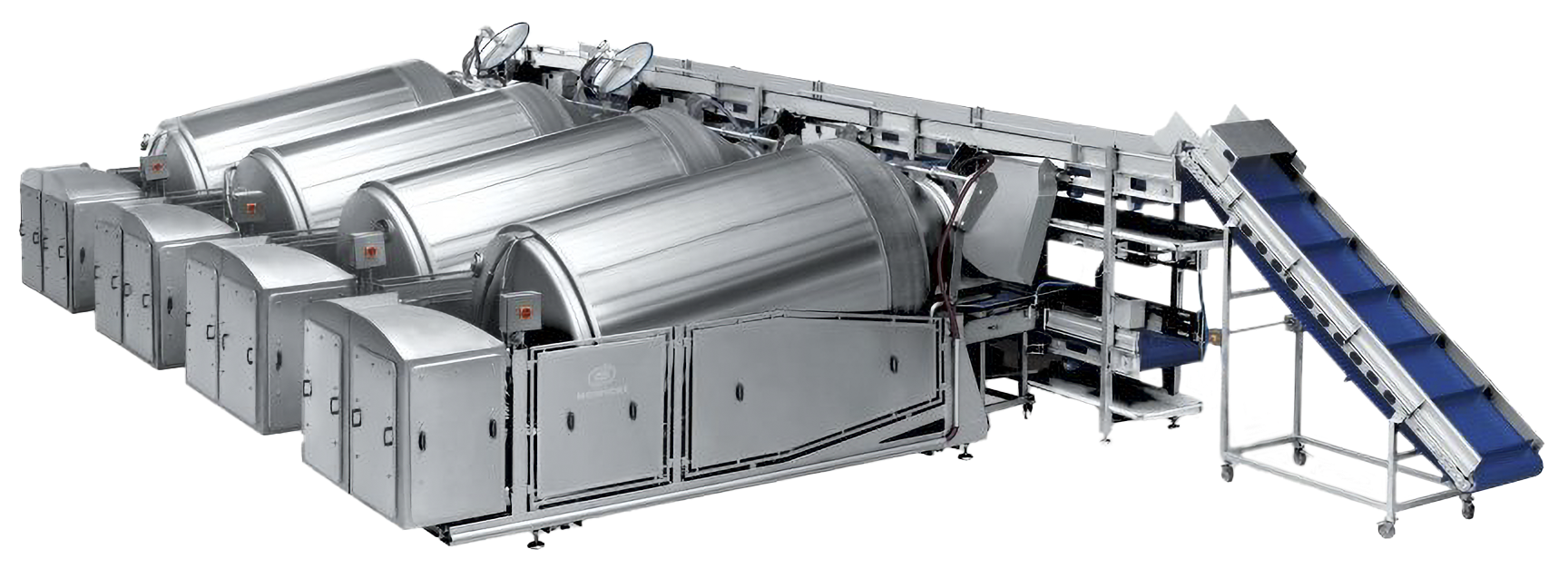
Continuous vacuum technology represents a major advancement compared to non-continuous vacuum tumbling technology. Unlike non-continuous vacuum tumbling systems, continuous vacuum systems maintain a constant vacuum environment, allowing for enhanced marinade absorption and product quality. This approach ensures that every piece of product receives uniform exposure to the marinade, resulting in consistent flavor, texture, and color. The steady operation also reduces cycle times and increases overall yield. For processors handling high volumes or seeking to standardize their output, continuous vacuum systems offer a clear advantage in both productivity and product quality, supporting the demands of modern industrial meat processing equipment and automated production lines.
Vacuum Tumbler Specification Guide
What criteria should processors evaluate before equipment selection?
Selecting the right vacuum tumbler is a critical decision for processors aiming to maximize product quality, consistency, and operational efficiency. Key criteria to evaluate include the type of products being processed (such as meat, seafood, or plant-based proteins), the desired marination results, batch sizes, and the specific production environment. Processors should also consider the level of automation required, available floor space, and compatibility with existing industrial meat processing equipment.
How do batch size, throughput, and integration potential affect choosing the right tumbler?
Matching equipment capacity to production demand is essential for both efficiency and cost-effectiveness. Batch size and throughput requirements will determine the appropriate tumbler size. For high-volume operations, larger or automated tumbling lines may be necessary, while smaller processors might benefit from compact, smaller batch models. Modern automated tumbling solutions can be incorporated into semi-automated or fully automated production lines, streamlining workflow and reducing manual handling. Ensuring the vacuum tumbler can communicate with other equipment and software systems supports future scalability and process optimization.
What features support long-term reliability and maintenance efficiency?
Long-term reliability starts with robust construction. Stainless-steel fabrication is essential for durability, hygiene, and resistance to corrosion, especially in demanding food processing environments. Programmable controls and automation readiness not only enhance process consistency but also simplify operation and troubleshooting. A machine that is thoughtfully designed to make routine cleaning and maintenance easy and straightforward is critical for long term performance. When evaluating a meat marinating tumbler machine, prioritize models designed for both operational longevity and straightforward upkeep to ensure sustained performance and food safety compliance.
Conclusion: Precision Engineering for Consistent Marination
Why is vacuum tumbler precision central to marination success?
Precision engineering in vacuum tumblers is fundamental to achieving consistent marination results. The ability to control variables such as vacuum level, drum rotation speed, and cycle duration ensures that every batch receives uniform treatment, regardless of product type or volume. This level of control directly impacts product yield, color, and texture, minimizing variability and maximizing the integrity of the marinated product. In industrial vacuum marination systems, precision is not just about repeatability—it is about safeguarding product quality at scale, reducing waste, and ensuring that every piece meets exacting standards.
How do modern systems contribute to product quality and operational efficiency?
Modern vacuum tumblers are designed with advanced process control and integration capabilities, allowing operators to fine-tune marination parameters for different proteins and recipes. Programmable control panels and automated monitoring systems enable real-time adjustments, reducing manual intervention and the risk of human error. This automation not only enhances product consistency but also streamlines workflow, supporting higher throughput and more efficient use of labor. The benefits of vacuum marination extend beyond flavor and tenderness; they include improved color retention, reduced processing times, and optimized brine absorption, all of which contribute to superior product quality and operational efficiency.
What role do BAK’s Classic, Tilting, and Mixing-tilting vacuum tumblers play in professional marination lines?
BAK’s Classic, Tilting, and Mixing-tilting vacuum tumblers exemplify the durability and programmability required for commercial marination lines. These systems are engineered to withstand the demands of industrial meat processing environments. Their robust construction, combined with user-friendly interfaces and customizable programs, allows processors to achieve precise, repeatable results across a wide range of products—including meat, seafood, and plant-based proteins. The integration of these tumblers into semi-automated or fully automated production lines further enhances process reliability and scalability, making them a trusted choice for processors seeking consistent, high-yield marination outcomes.
For more information on the range of available solutions, visit our Vacuum Tumblers page.
