

Automation in the Food Processing Industry
Understanding Automation in the Food Processing Industry
What does automation mean in the context of food processing?
In the food processing industry, automation refers to the use of mechanical, electrical, and digitally controlled equipment to minimize manual handling and improve consistency throughout production. This includes everything from automated mixing and grinding lines to fully integrated tumbling systems and smoking systems. By leveraging industrial automation, processors can achieve greater accuracy, repeatability, and efficiency in their operations, ensuring that each product meets strict quality and safety standards. Automation in food processing industry settings is not just about enhancing labor; it’s about optimizing every stage of the process for reliability and throughput.
How has food processing automation evolved over time?
Historically, food processing relied heavily on manual labor, with workers performing repetitive and physically demanding tasks. Over time, the industry has shifted toward semi-automated systems, where machines assist with specific steps, and now to fully automated production lines that integrate multiple processes. Today’s automated food production systems, such as those offered by BAK Food Equipment, are designed to handle complex tasks with minimal human intervention. This evolution has been driven by the need for higher processing line efficiency, improved sanitation, and the ability to meet increasing regulatory demands. Modern automation solutions are tailored to the unique needs of each processor, ensuring that equipment design and system reliability are prioritized.
Why is automation now a baseline requirement for modern processors?
Automation has become essential for modern food processors due to its impact on throughput, sanitation, worker safety, and regulatory compliance. Automated systems reduce the risk of human error, enhance food safety standards, and support consistent product quality. They also help processors comply with stringent food safety regulations by enabling better control and documentation of critical control points. In addition, automation in food processing industry environments improves worker safety by minimizing exposure to hazardous tasks and repetitive strain. As consumer expectations and regulatory requirements continue to rise, automation is no longer optional—it is a baseline requirement for processors seeking to remain competitive and reliable in today’s market.
Equipment-Driven Automation in Food Processing Operations
How does automation improve efficiency through equipment design?
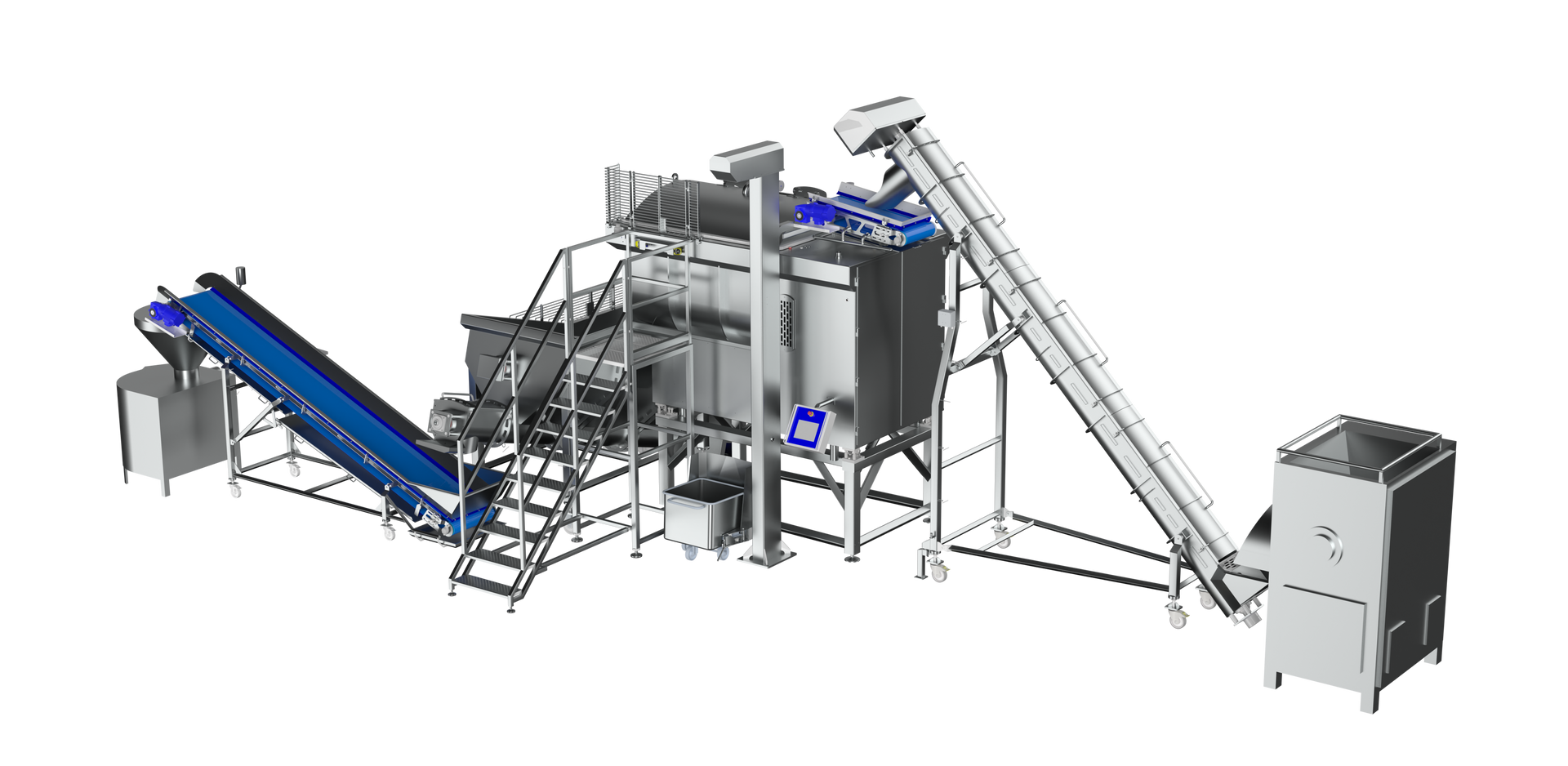
Automation in food processing operations leverages advanced processing equipment such as grinders, mixers, bowl cutters, tumblers, injectors, and more, as well as logistical equipment like loaders and conveyors, to streamline production workflows. By integrating these technologies, manufacturers can achieve higher throughput, minimize bottlenecks, and reduce downtime. Conveyors and loaders facilitate seamless material handling automation, moving products efficiently between processing stages and minimizing manual intervention. This equipment-driven approach to automation is designed to optimize every step of the production process, resulting in improved food processing efficiency and more predictable output.
What role does automated equipment play in reducing manual labor?
Automated food processing equipment significantly reduces the need for repetitive manual tasks, which are often labor-intensive and prone to human error. By automating functions such as mixing, grinding, tumbling, and material transfer, operators are freed from physically demanding and monotonous work. This not only improves consistency and product quality but also enhances operator safety by minimizing exposure to potentially hazardous environments. The reduction in manual labor allows staff to focus on higher-value tasks, such as quality control and system monitoring, further contributing to overall operational efficiency.
Why is system integration critical for successful automation?
Successful automation in food processing relies on the seamless integration of new automated equipment with existing production lines. Processing line integration ensures that all components—whether legacy or newly installed—work together harmoniously, preventing disruptions and maximizing productivity. Compatibility is essential to avoid costly downtime and to ensure that automation investments deliver their full value. Flexibility and customization are also key considerations; tailored automation solutions from BAK Food Equipment are designed to meet the unique needs of each facility, allowing for scalable upgrades and future expansion. This approach ensures that food processing automation equipment not only fits current requirements but can also adapt to evolving production demands.
The Role of Controls, Sensors, and Data in Automated Food Processing
How do controls and sensors enhance automated food processing systems?
Controls and sensors are fundamental to the effectiveness of automated food processing equipment. By continuously monitoring the parameters critical to each processing step, these technologies ensure that every stage of production meets strict quality and safety standards. For example, machines from BAK Food Equipment tell you the parameters of your process in real time, allowing you to make adjustments as needed. This level of precision not only safeguards product quality but also supports compliance with food safety regulations. In custom automation solutions from BAK Food Equipment, controls and sensors are tailored to the specific needs of each production line, maximizing both efficiency and reliability.
What types of operational data matter most to food processors?
Operational data that holds the most value for food processors includes logs of critical processing parameters, cycle times, throughput rates, and maintenance records. This data provides a comprehensive view of the production process, enabling operators and engineers to identify trends, optimize workflows, and anticipate potential issues before they lead to downtime. Data-driven food processing empowers teams to make informed decisions, supporting preventative maintenance and reducing unexpected interruptions.
How does real-time monitoring support efficiency and compliance?
Real-time monitoring, enabled by advanced equipment monitoring systems, allows food processors to respond immediately to any irregularities in the production process. This proactive approach minimizes waste, reduces the risk of product recalls, and ensures consistent product quality. Real-time data visibility also streamlines compliance with regulatory requirements by providing accurate, time-stamped records for audits and inspections. Importantly, while automation and smart manufacturing technologies provide powerful tools for efficiency and compliance, they are designed to support—not replace—the expertise of operators and engineers. Human oversight remains essential, with data serving as a valuable resource for informed decision-making and continuous improvement.
Automation’s Impact on Food Safety and Sanitation
How does automation improve food safety outcomes?
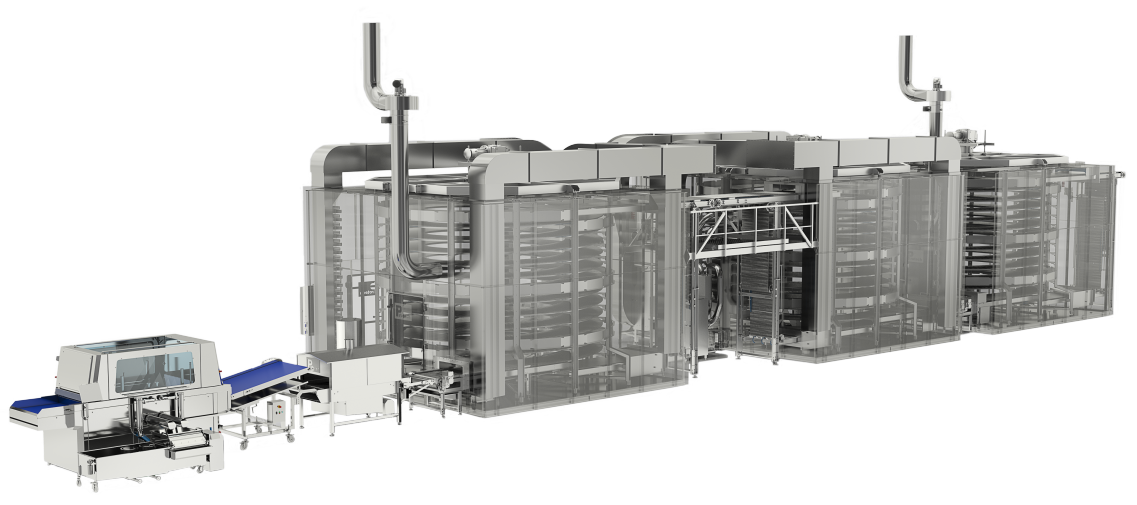
Automation in food processing plays a critical role in elevating food safety standards. Automated cleaning systems and sanitation equipment deliver consistent, repeatable cleaning cycles that are validated and documented, reducing the variability that comes with manual processes. By minimizing human intervention, automation significantly lowers the risk of human error and cross-contamination, two of the most common sources of foodborne illness outbreaks, which is essential for maintaining food safety automation best practices.
Why is sanitation a major driver of automation adoption?
Sanitation is a primary concern for food processors, as inadequate cleaning can lead to contamination and costly recalls. Automated washing and sanitation systems are increasingly adopted because they provide a reliable, efficient, and validated approach to cleaning. These systems are designed to reach all surfaces, including hard-to-access areas, and can be integrated into production lines for continuous or scheduled cleaning cycles. This not only improves overall hygiene but also reduces downtime associated with manual cleaning, supporting both operational efficiency and food safety. The adoption of automation is often driven by the need to meet stringent sanitation requirements while maintaining high throughput.
How does automated equipment support regulatory compliance?
Automated equipment is engineered with hygienic equipment design principles, making it easier to clean and maintain in compliance with regulatory standards. Automated cleaning systems can be programmed to meet or exceed the requirements set by the USDA, FDA, and HACCP, providing detailed records of cleaning cycles and sanitation outcomes. This documentation is invaluable during audits and inspections, demonstrating a proactive approach to food processing compliance. By integrating automation, food processors can ensure that their operations consistently meet regulatory expectations, reducing the risk of non-compliance and enhancing consumer trust.
In summary, automation is not just a tool for efficiency—it is a proactive strategy for achieving and maintaining the highest standards of food safety and sanitation in modern food processing environments.
Efficiency, Labor, and Workforce Considerations
How does automation address labor challenges in food processing?
Automation in food processing directly addresses labor challenges by reducing the need for manual, repetitive, and physically demanding tasks. With custom automation solutions from BAK Food Equipment, processors can deploy systems such as automated material handling and fully automated production lines that minimize labor strain and help bridge workforce gaps. This is especially important in an industry where labor shortages and high turnover rates are common. By automating routine operations, companies can maintain consistent production levels even when staffing is unpredictable, ensuring that production efficiency remains high.
Can automation improve working conditions without eliminating jobs?
Yes, automation can significantly improve working conditions without necessarily eliminating jobs. Rather than replacing workers, automation often shifts their roles toward oversight, quality assurance, and equipment maintenance. This transition allows employees to focus on higher-value tasks while reducing exposure to repetitive motion injuries and physically taxing activities. Ergonomic equipment and automated systems contribute to a safer, more comfortable workplace, supporting workforce safety and job satisfaction. BAK Food Equipment’s approach to automation emphasizes enhanced productivity while maintaining workforce stability.
What operational efficiencies matter most to processors?
For food processors, the most critical operational efficiencies include consistency, uptime, and predictable production schedules. Automated food processing equipment ensures that processes are repeatable and reliable, reducing variability and waste. Increased uptime is achieved through systems designed for continuous operation and minimal manual intervention, while automated monitoring and controls help maintain optimal performance. These efficiencies not only improve throughput but also support compliance with food safety standards and quality control requirements. Ultimately, automation in food processing industry settings enables processors to meet demand reliably and cost-effectively, while supporting both productivity and the well-being of their workforce.
Current Trends in Food Processing Automation
What automation trends are shaping food processing today?
Food processing automation trends are increasingly focused on practical improvements that directly impact operational efficiency and product quality. Modular equipment design is at the forefront, allowing processors to customize and reconfigure production lines as needs evolve. Flexible automation systems are also gaining traction, enabling manufacturers to quickly adapt to new products or regulatory requirements without extensive downtime or costly retooling. Scalable processing systems ensure that as demand grows, production capacity can be increased with minimal disruption. These trends reflect a shift from one-size-fits-all solutions to tailored automation that addresses specific challenges in food manufacturing.
How are processors prioritizing flexibility and scalability?
Processors are prioritizing flexibility and scalability by investing in equipment that can be easily modified or expanded. For example, BAK Food Equipment offers custom automation solutions such as automated spiral smoking, cooking, and chilling lines, as well as modular mixing and grinding systems. These solutions are designed to integrate seamlessly into existing operations and can be scaled up or down based on production needs. This approach minimizes downtime, reduces capital expenditure over time, and ensures that processors can respond quickly to market changes or new regulatory standards. The ability to adapt production lines without significant overhauls is now a key consideration in equipment selection.
Why is sustainability influencing automation decisions?
Sustainable food processing is a major driver in automation decisions today. Processors are seeking equipment that improves water efficiency, reduces energy consumption, and minimizes waste throughout the production cycle. Automation technologies that support these goals not only help companies meet environmental regulations but also lower operating costs and enhance brand reputation. For instance, automated systems that precisely control resource usage and optimize processing efficiency are increasingly preferred. As sustainability becomes a core value for both consumers and regulators, food manufacturers are aligning their automation investments with long-term environmental and operational objectives.
Planning for Successful Automation Integration
What should processors consider before investing in automation?
Before investing in automation, food processors must carefully evaluate their production goals, available space, sanitation requirements, and throughput needs. Understanding these factors ensures that the selected automation solutions align with both current and future operational objectives. For example, processors should assess whether their primary goal is to increase capacity, improve product consistency, or enhance food safety standards. Space constraints within existing facilities can impact the type and scale of automation that can be implemented, while sanitation requirements must be addressed to maintain compliance with food safety regulations. Throughput needs—how much product must be processed within a given timeframe—will also influence equipment selection and system design. Engaging with experienced partners like BAK Food Equipment, who specialize in custom automation solutions, can help processors navigate these considerations and identify the most effective path forward.
How can automation be phased into existing operations?
Phasing automation into existing operations is often the most practical approach to minimize disruption and manage investment. Rather than overhauling an entire production line at once, processors can start by automating specific processes or integrating semi-automated solutions, such as a semi-automated tumbling line. This allows teams to adapt to new technologies gradually, while maintaining ongoing production. As confidence and experience grow, additional automated systems—like fully automated mixing, grinding, or smoking lines—can be introduced. This stepwise approach not only spreads out capital expenditures but also provides opportunities to refine processes and address unforeseen challenges as they arise. BAK Food Equipment offers a range of scalable solutions that support phased automation, ensuring a smooth transition and sustained productivity.
Why does equipment engineering matter in long-term automation success?
The engineering behind automation equipment is critical to long-term success. Well-designed systems are reliable, easy to service, and compliant with industry standards. Proper equipment engineering ensures that automated solutions are tailored to the unique needs of each processor, supporting both immediate and future production goals. Experienced equipment partners like BAK Food Equipment bring deep expertise in food processing system integration and production line upgrades, helping processors avoid costly mistakes and downtime. Additionally, robust engineering supports ongoing serviceability and adaptability, allowing systems to evolve as production requirements change. Ultimately, investing in high-quality equipment engineering is essential for achieving lasting efficiency, food safety, and regulatory compliance in automated food processing environments.
The Future of Automation in the Food Processing Industry
How will food processing automation continue to evolve?
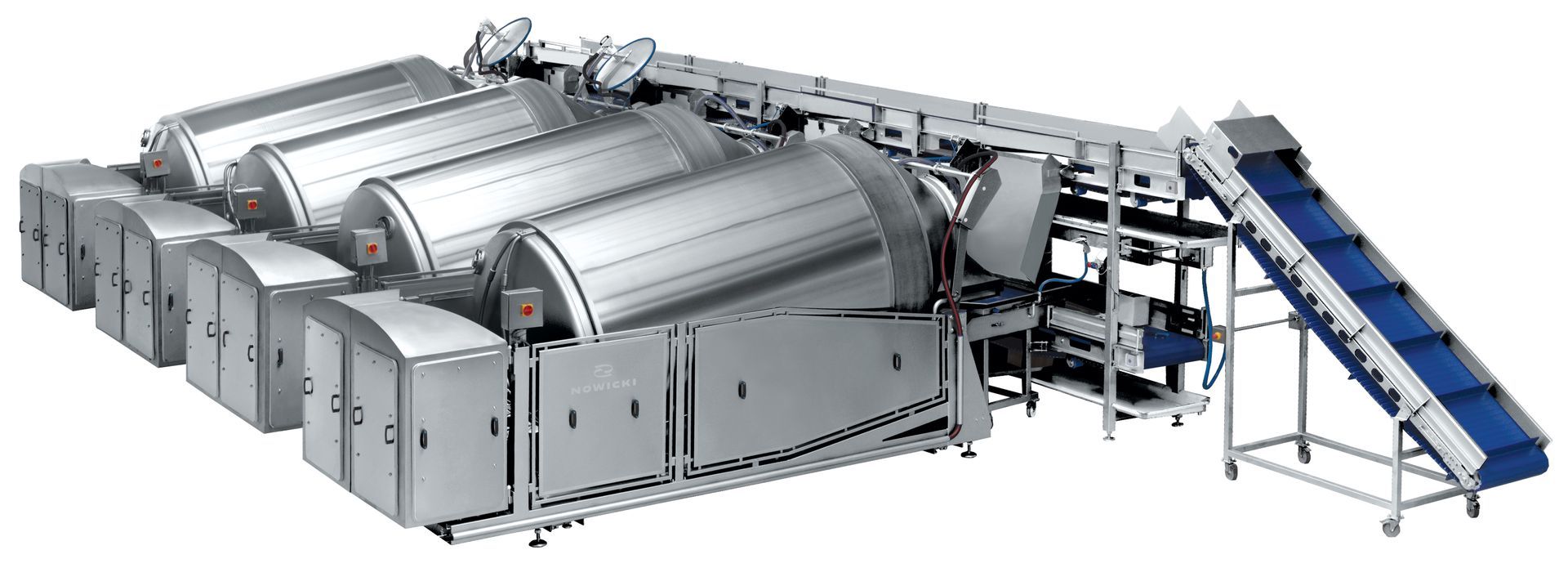
The future of food processing automation is defined by the ongoing integration of advanced controls, robotics, and real-time monitoring technologies. As processors seek greater efficiency and consistency, automation will become increasingly sophisticated, leveraging smart manufacturing principles and the Internet of Things (IoT) to enable seamless data collection and process optimization. Custom automation solutions, such as those offered by BAK Food Equipment, will allow manufacturers to tailor their production lines to specific needs, ensuring flexibility and scalability as market demands shift. This evolution is not a one-time investment but a continuous journey, with new innovations in processing technology and automation emerging to address changing regulatory, consumer, and operational requirements.
What challenges will processors face as automation advances?
As automation in the food processing industry advances, processors will encounter several challenges. Compatibility is another concern, as integrating new automation technologies with existing industrial food equipment may require custom engineering and thoughtful planning. Additionally, workforce adaptation is critical—employees must be trained to operate, maintain, and troubleshoot increasingly complex systems. Overcoming these challenges will require a strategic approach, balancing investment in technology with ongoing training and support.
Why will equipment design remain central to automation success?
Well-engineered equipment is the foundation of successful automation in food processing. As automation becomes more prevalent, the need for robust, reliable, and adaptable industrial food equipment grows. Equipment design must prioritize hygiene, safety, and ease of integration with automated controls and monitoring systems. BAK Food Equipment’s custom automation solutions exemplify this approach, ensuring that each piece of equipment is tailored to the unique requirements of the production line. Ultimately, the success of future automation efforts will depend on the quality and flexibility of the underlying equipment, reinforcing the importance of thoughtful design and engineering in processing innovation.
The Strategic Role of Automation in Modern Food Processing
Why is automation essential to modern food processing?
Automation in the food processing industry is no longer a luxury—it is a strategic necessity. As consumer demand for safe, high-quality products continues to rise, automation delivers measurable improvements in safety, efficiency, and reliability. Automated food processing equipment reduces the risk of human error, ensures consistent product quality, and streamlines operations, all while supporting compliance with stringent food safety regulations. By integrating automation, food manufacturers can achieve higher throughput, minimize waste, and respond more flexibly to market changes, making automation a cornerstone of modern food manufacturing.
What are the key considerations for adopting automation responsibly?
Adopting automation should be a thoughtful process, not a race to implement the latest technology. It is crucial to align automation goals with the specific capabilities of your equipment and the unique needs of your production line. Responsible adoption means evaluating how automation will impact your workflow, workforce, and long-term business objectives. Custom automation solutions, such as those offered by BAK Food Equipment, are designed to address these considerations by tailoring systems to your operational requirements. This approach ensures that automation enhances—not disrupts—your existing processes, supporting both immediate and future growth.
How does equipment-driven automation support long-term success?
Equipment-driven automation is an investment in the future of your business. By selecting automation solutions that are scalable and adaptable, food processors can maintain processing efficiency and stay ahead of evolving industry standards. The right automation not only boosts productivity but also reinforces food safety by integrating advanced food safety equipment and controls. Thoughtful integration—rather than rapid, unchecked adoption—ensures that automation remains a reliable asset as your business grows and regulations evolve. Looking ahead, automation will continue to play a pivotal role in shaping the food processing landscape, driving innovation while upholding the highest standards of quality and safety.
For more information on tailored automation options, explore our Custom Automation Solutions or learn about our Automated Spiral Smoking Line.
