

What Is a Brine System? Understanding Brine Prep & Injection in Food Processing
What Is a Brine Mixing, Tumbling, and Injection System?
What is a multi-equipment brine system and what does it do?
A brine system is a collection of equipment that is designed to mix and deliver brine—a carefully formulated mixture of water, salt, and functional ingredients—used in food processing. It is typically made up of a brine mixing and preparation machine, and a brine injector or vacuum tumbler. The primary purpose of a brine system is to enhance the flavor, tenderness, and shelf life of food products, particularly in the meat and poultry industries. Modern brine systems, such as those offered by BAK Food Equipment, are engineered to ensure precise ingredient ratios, maintain consistent temperatures, and uphold hygienic handling standards throughout the brine preparation and delivery process. This level of control is essential for achieving uniform product quality and meeting food safety requirements in commercial production environments.
How is brine used in food processing?
In food processing, brine is commonly used for meat marination, curing, and preservation. The brine solution penetrates the food, allowing salt and other functional ingredients to interact with proteins and other components, resulting in improved texture, enhanced flavor, and extended shelf life. Brine systems are integrated into automated production lines, working in conjunction with equipment such as injectors, tumblers, and mixers to ensure that the brine is evenly distributed throughout the product. This integration is crucial for large-scale operations where consistency and efficiency are paramount.
Why are brine mixing systems essential for meat and poultry production?
Brine systems are essential in meat and poultry production because they provide a reliable and repeatable method for delivering the exact brine formulation required for each product. Automated brine mixing systems, like BAK’s Single Unit and Dual Brine Preparation Systems, are designed to handle the demands of commercial-scale operations, ensuring that every batch meets strict quality standards. These systems not only improve product consistency and safety but also streamline the production process by reducing manual labor and minimizing the risk of human error. As part of a fully integrated processing line, brine mixing systems play a vital role in achieving the desired product characteristics and maintaining high throughput in modern food processing facilities.
How Brine Mixing, Injecting, and Tumbling Systems Work in Food Processing
How does a multi-equipment brine system function from start to finish?
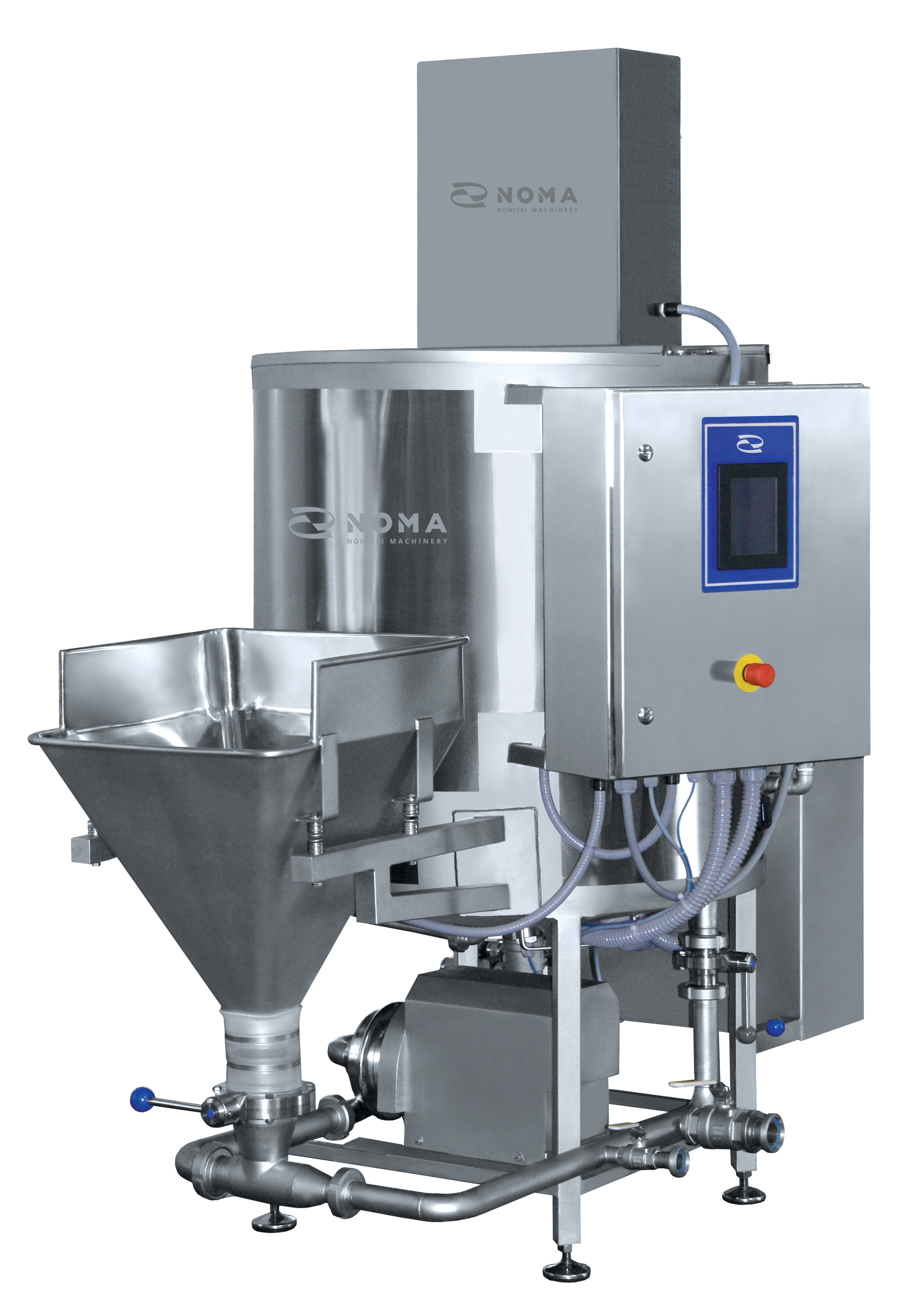
A multi-equipment brine system in food processing is designed to deliver precise, consistent results by automating the preparation and application of brine solutions. The process begins with water and specific ingredients—such as salt, sugar, and flavorings—being added to a dedicated mixing tank. These ingredients are thoroughly blended using agitators to ensure a homogenous solution. The brine can be optionally cooled to a desired temperature, and often stored in a holding tank until it is ready for use. From there, the brine is transferred via a brine transfer system to either an industrial brine injector or a tumbling machine, depending on the application. This workflow ensures that the brine is always fresh, properly mixed, and at the correct temperature for optimal product quality.
What components make up a brine mixing system?
A modern brine mixing system is composed of several key components that work together to ensure efficiency and consistency. The primary elements include a tank, pumps and agitators for mixing the brine solution and to keep it uniform. BAK Food Equipment also offers brine mixing units with temperature controls to maintain the ideal brine temperature and combat seasonal water temperature fluctuations. BAK’s brine mixing system components are integrated with automated controls, allowing for programmable mixing cycles, with some models featuring clean-in-place (CIP) functionality for easy maintenance and sanitation.
How is brine transferred into the product?
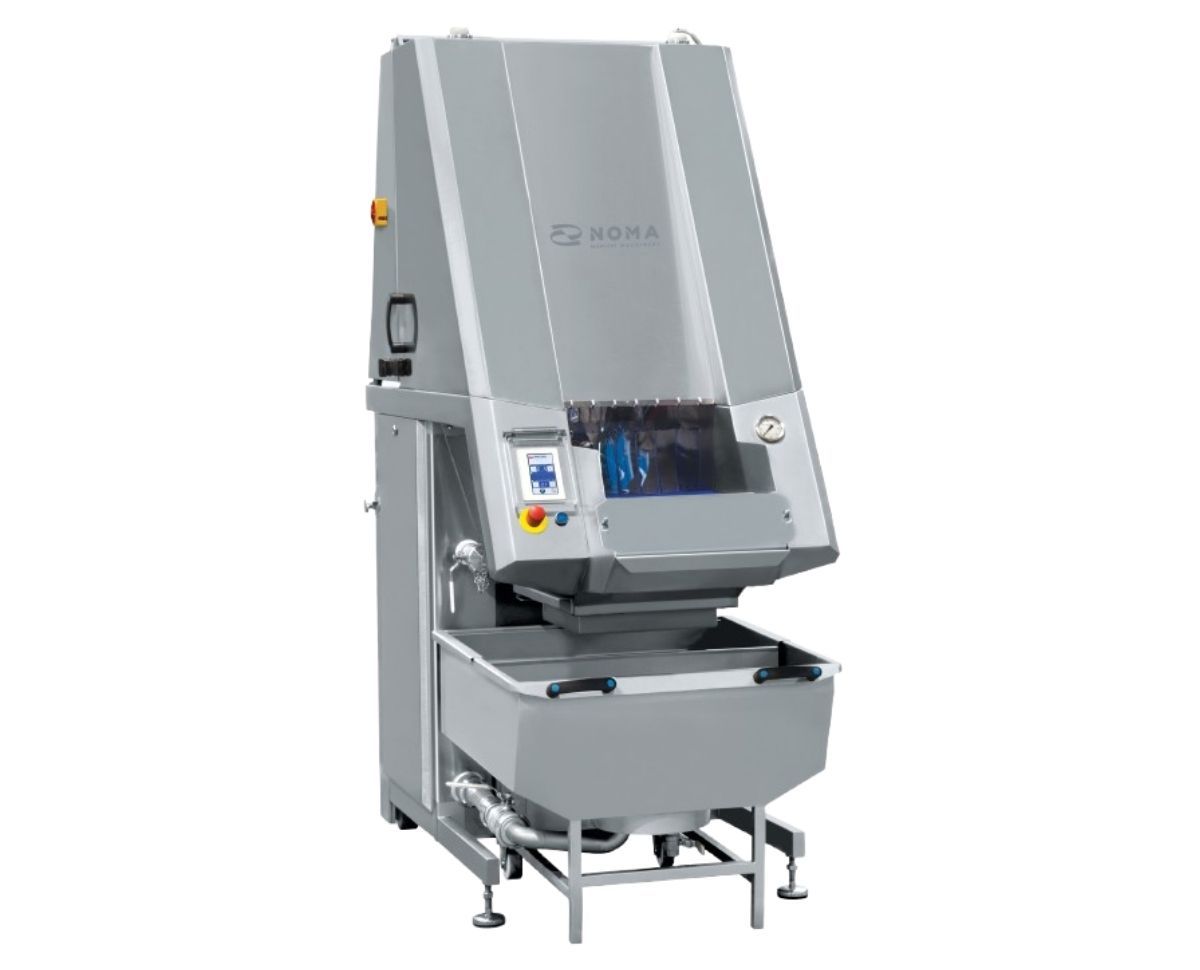
Once the brine is prepared, it is transferred into the product using specialized equipment such as an industrial brine injector. The brine transfer system moves the solution to an injector, where it is evenly distributed throughout the product—such as meat or poultry—via a series of needles. This process enhances both flavor and moisture retention, ensuring a high-quality end product. In some cases, the brine may also be used in tumbling machines, where it is absorbed by the product. Automation in these systems allows for precise control over injection rates or tumbling speeds, further improving consistency and product quality. These features not only streamline production but also ensure repeatable results, reduce labor requirements, and support rigorous food safety standards.
Benefits of Using a Multi-equipment Brine System
What advantages do multi-component brine systems offer for meat and poultry processors?
Multi-component brine systems provide significant advantages for meat and poultry processors by ensuring precise control over salt and additive levels in every batch. This precision leads to improved product consistency, as each piece of meat receives the same concentration of brine, resulting in uniform flavor and texture. BAK’s advanced equipment is designed to deliver consistent flavor and optimal product quality across your entire product line, helping processors meet both regulatory standards and customer expectations.
How do they improve efficiency and product consistency?
Brine mixing, injecting, and tumbling systems streamline the production process by automating the mixing and injection or tumbling of brine solutions. Automation reduces manual labor requirements and minimizes the risk of human error, which can lead to inconsistencies in product quality. Real-time monitoring and control features allow operators to adjust parameters on the fly, further enhancing food production efficiency. The result is a more reliable process that produces consistent results, batch after batch, while also reducing waste and operational costs.
What are the yield and flavor benefits?
One of the key benefits of a multi-component brine system is the ability to enhance both yield and flavor. Uniform brine penetration ensures that moisture and flavor are distributed evenly throughout the product, leading to improved tenderness and juiciness. This process also helps with moisture retention, which translates to higher meat processing yield and reduced cooking loss. Enhanced flavor profiles and juiciness not only improve the eating experience for consumers but also contribute to a more profitable operation by maximizing the usable product output from each batch.
BAK Brine Preparation Systems & Injectors
What brine equipment does BAK Food Equipment provide?
BAK Food Equipment offers a comprehensive range of brine preparation and injection solutions designed to meet the needs of both small-scale and high-volume food processors. For operations with lower throughput or specialty products, BAK’s Single Unit Brine Mixer and line of Mechanical Injectors provide a compact, efficient solution for preparing and delivering consistent brine mixtures. For larger facilities or those requiring continuous production, the Dual Brine Preparation System and SAS (Servo-driven) Injectors enable an uninterrupted brine supply, supporting high-volume injection lines and maximizing operational efficiency.
What are the key differences between single and dual tank brine mixing systems?
The dual brine preparation system from BAK features a heat exchanger for maintaining brine temperature in an integrated holding tank making it ideal for processors that are affected by seasonal water temperature fluctuations. These systems, with capacities from 1,500 to 4,000 liters, use advanced features like turbo agitators and centrifugal pumps to ensure efficient mixing and easy transfer of brine. A single unit brine mixer is suitable for a wide variety of processors and can be enhanced with holding tanks to facilitate continuous production. The single unit systems have capacities ranging from 250 to 2,000 liters.
How do BAK injectors and tumblers work within a multi-component brine system?
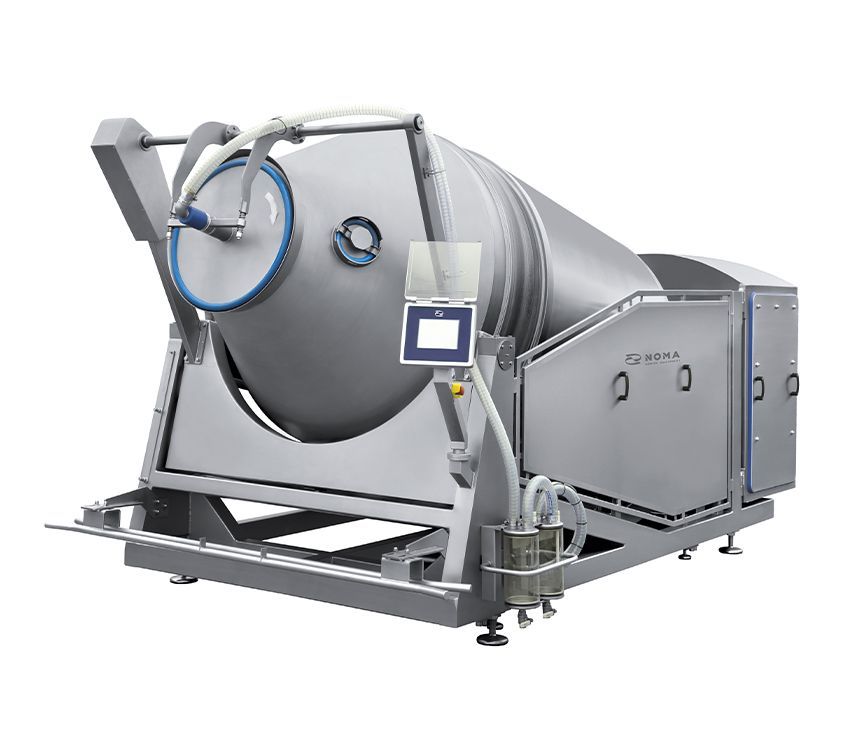
BAK brine injectors, including both Mechanical Brine Injectors and advanced SAS Injectors (servo-driven), are designed to deliver precise and uniform brine distribution. All of BAK's injectors utilize precise needle arrays and feature programmable control panels for customizable injection pressure, and needle head speed, enhancing process control and product consistency. On the other hand, BAK’s Vacuum Tumblers are designed to accelerate brine absorption into the product and promote protein extraction. BAK’s Injectors and Tumblers ensure optimal flavor, texture, and product uniformity across every batch.
All of BAK’s brine mixers, injectors, and tumbler systems are constructed from high-grade stainless steel, prioritizing durability, sanitation, and ease of maintenance.
Sustainability and Efficiency in Multi-Component Brine Systems
How does modern brine equipment support sustainability?
Modern brine equipment is designed with sustainability at its core, helping food processors reduce their environmental impact while maintaining high product quality. By integrating advanced technologies such as closed-loop systems and automated controls, these systems minimize resource consumption and waste generation. Sustainable food processing is achieved through careful management of water, salt, and energy, ensuring that brining operations are both environmentally responsible and cost-effective.
How can brine reuse and closed-loop systems reduce waste?
Closed-loop mixing and recovery systems are a key innovation in waste reduction. These systems allow for the continuous reuse of brine, significantly minimizing the amount of salt and water that is discarded during production. By capturing and recycling brine, processors can reduce both their raw material costs and their wastewater output. This approach not only supports brine reuse but also aligns with regulatory requirements for waste management, making it easier for facilities to meet environmental standards.
What efficiency innovations does BAK offer?
BAK Food Equipment offers a range of efficiency-focused innovations in its brine preparation systems. Their design ensures precise mixing, reducing the likelihood of excess brine disposal. Energy-efficient motors and optimized mixing speeds further contribute to energy-efficient processing, lowering power consumption without compromising performance. By choosing sustainable equipment like BAK’s brine systems, processors benefit from both regulatory compliance and long-term cost savings, all while supporting their sustainability goals through advanced closed-loop systems and waste reduction strategies.
Choosing the Right Brine System Setup
How should processors select the right brine equipment for their production line?
Selecting the appropriate brine equipment is a critical decision for food processors aiming to achieve consistent product quality and operational efficiency. The process begins with a thorough assessment of production needs. The type of product that is to be processed will determine whether an injector and/or tumbler is needed. Injectors are well-suited for products where it is important for the brine to be delivered deeply, while tumblers are better for products that need to be marinated and need the benefits of protein extraction, such as hams. BAK’s single unit brine mixer will be suitable for most operations, but dual brine mixing systems are better suited for processors that are impacted by seasonal water temperature changes. Lastly, the desired level of automation in food processing should be considered, as automated brine systems can streamline operations, reduce labor, and improve consistency.
What factors affect system size and configuration?
System size and equipment configuration are influenced by several factors, including the volume of product processed, the frequency of recipe changes, and the need for integration with existing plant equipment. For example, facilities with high production demands may require larger mixing tanks and bigger injectors, while those with frequent product changeovers benefit from flexible, compact designs. Plant integration is also essential; the brine equipment should seamlessly connect with upstream and downstream processes to minimize bottlenecks and ensure smooth operation across the production line.
What support does BAK provide for installation and maintenance?
BAK Food Equipment offers comprehensive support throughout the lifecycle of your multi-equipment brine system. Our team works closely with clients to design custom solutions tailored to specific production needs, ensuring optimal brine system design and plant integration. During installation, BAK provides on-site assistance to guarantee proper setup and commissioning. For long-term reliability, we offer maintenance training for your staff, ongoing technical support, and ready access to spare parts. This commitment to service helps processors maintain peak performance and minimize downtime, supporting your investment well into the future.
Bringing It All Together — What a Multi-Component Brine System Does for Your Operation
Why are multi-component brine systems critical for modern food manufacturing?
Brine equipment systems are indispensable in today’s food manufacturing landscape because they ensure consistent product quality, food safety, and production efficiency. By precisely controlling the composition and distribution of brine, these systems help processors achieve uniform flavor, texture, and moisture content across every batch. This consistency is vital for meeting consumer expectations and regulatory standards. Additionally, automated brine systems reduce manual labor, minimize human error, and support high-throughput operations, making them a cornerstone of food processing automation.
How does BAK help processors stay competitive?
BAK Food Equipment provides complete, scalable brine preparation and injection solutions tailored to the needs of processors of all sizes. Our brine preparation systems are designed for flexibility, allowing for single-unit or dual brine mixers to match your production requirements. By integrating brine systems with other processing equipment, BAK enables seamless, efficient workflows that boost productivity and reduce downtime. Our expertise in brine system innovation ensures that customers benefit from the latest advancements in integrated processing equipment, helping them maintain a competitive edge in a rapidly evolving industry.
What’s next in multi-equipment brine system technology?
The future of brine system technology lies in smart automation and sustainable processing. BAK Food Equipment is committed to driving innovation in these areas, with a focus on intelligent controls, real-time monitoring, and data-driven optimization. These advancements will enable processors to further enhance product consistency, reduce resource consumption, and improve traceability throughout the production process. As sustainability becomes increasingly important, expect to see brine systems that minimize brine waste while maintaining the highest standards of food safety and quality. BAK continues to invest in research and development to ensure our customers are prepared for the next generation of food processing challenges.
