

Industrial Grinder vs Mixer for Food Production
Grinder vs Mixer in Industrial Food Processing
What is the difference between a grinder and a mixer?
In industrial food processing, the distinction between a grinder and a mixer is fundamental to understanding how food manufacturing equipment operates at scale. Unlike consumer kitchen appliances, industrial grinders are engineered to reduce the particle size of raw materials—such as meat, vegetables, or plant-based proteins—by cutting or shearing them into smaller, uniform pieces. This process is essential for achieving the desired texture and consistency in a wide range of products. On the other hand, industrial mixers are designed to blend multiple ingredients together, ensuring a homogeneous mixture throughout the batch. This uniformity is critical for product quality, taste, and safety, especially in large-scale production environments.
Why are both machines important in food manufacturing?
Both grinders and mixers play indispensable roles in food manufacturing. Grinders prepare raw materials by breaking them down to the appropriate size, which is often a prerequisite for effective mixing. Mixers then take these processed ingredients and combine them thoroughly, ensuring that every portion of the final product meets strict quality standards. This sequential use of grinders and mixers is common in industries such as meat processing, prepared foods, pet food, plant-based proteins, cheese and dairy, and sauces and fillings. Without the precise particle size reduction provided by grinders and the uniform blending achieved by mixers, manufacturers would struggle to maintain consistency, flavor, and safety in their products.
How do grinders and mixers work together in processing lines?
In many industrial food processing lines, grinders and mixers are used in tandem to maximize efficiency and product quality. For example, in meat processing systems, raw meat is first ground to the required particle size before being transferred to an industrial mixer, where spices, additives, and other ingredients are incorporated. This sequence ensures that the final mixture is both uniform and meets the desired texture specifications. BAK Food Equipment offers a comprehensive lineup of industrial mixers—including Intermeshing Paddle Mixers, Ribbon Mixers, Z-Type Mixers, and fully Automated Mixing Lines—each designed for consistency, sanitation, and high-volume production. These mixers are engineered to integrate seamlessly with upstream grinders, forming a cohesive and efficient processing solution for a variety of food manufacturing applications.
By leveraging advanced industrial food processing equipment like BAK’s mixers and grinders, manufacturers can achieve the high standards required in today’s competitive food industry, ensuring both product quality and operational efficiency.
What Does an Industrial Grinder Do?
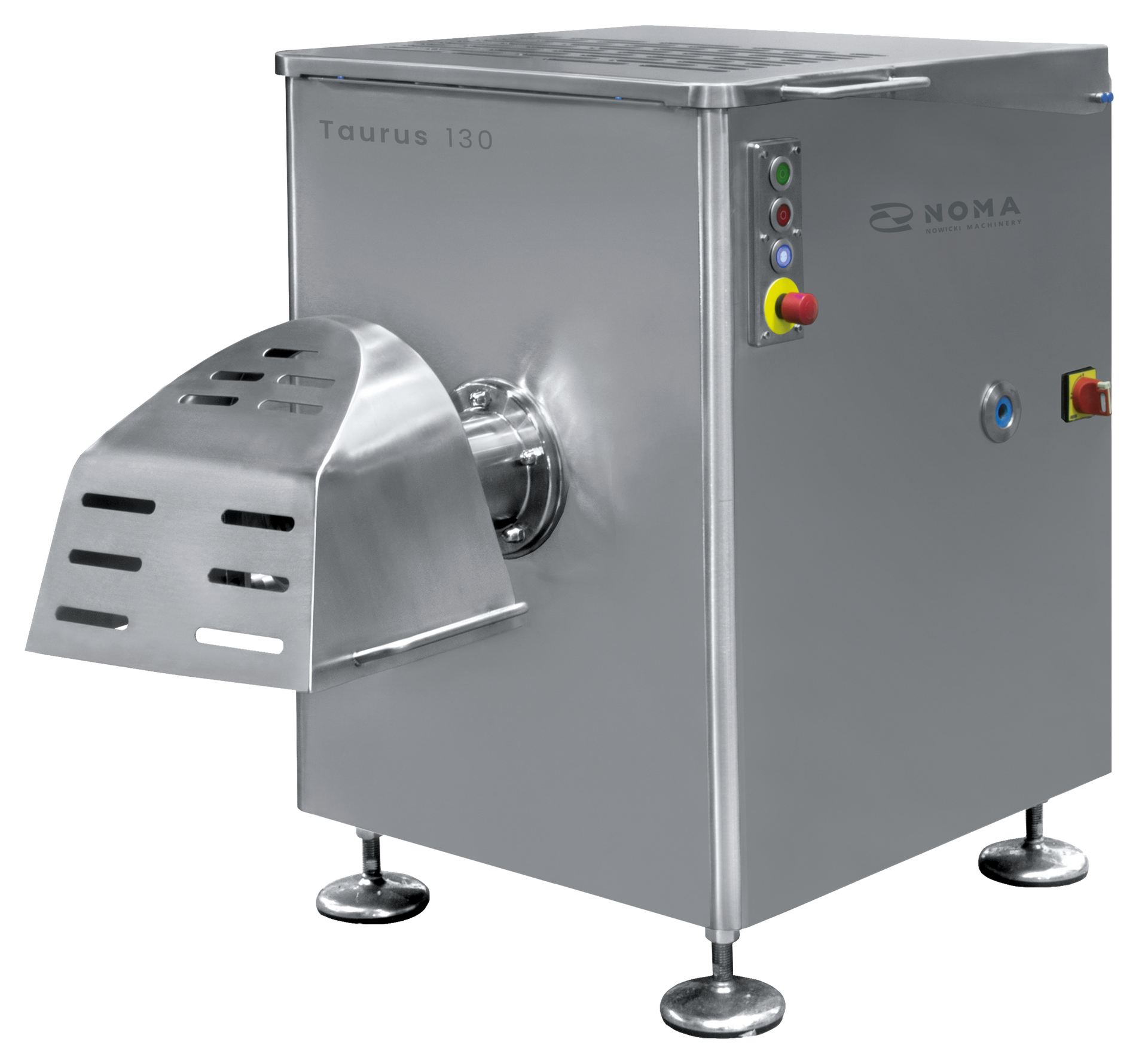
What is an industrial grinder?
An industrial grinder is a specialized piece of food processing equipment designed to reduce the particle size of various food products. By using rotating blades and plates, industrial grinders break down raw materials into smaller, uniform pieces, which is essential for further processing steps. This process, known as particle size reduction, is fundamental in the production of a wide range of foods, ensuring that ingredients are properly prepared for blending, mixing, or emulsification. Industrial meat grinders, for example, are engineered to handle high volumes of meat efficiently, but similar equipment is also used for grinding spices, vegetables, cheese, and other proteins.
What products require grinding?
Grinding is a critical step for many food products. Meat is the most common, with industrial meat grinders used to prepare ground beef, fillings for sausages, and other processed meats. However, grinding is also useful for vegetables, which are ground for soups, sauces, and fillings and alternative proteins, which may be ground for plant-based or blended protein products. Emulsions, such as those found in hot dogs or bologna, also rely on precise grinding to achieve the right texture and consistency before further processing.
How does grinding impact texture and product consistency?
The grinding process directly affects the texture and consistency of the final product. The size of the grinder plate determines whether the grind is coarse or fine. Coarse grinding produces larger particles, resulting in a chunkier texture suitable for products like chili meat or coarse sausages. Fine grinding, on the other hand, creates a smoother, more uniform texture, which is essential for products like frankfurters or pâtés. Consistent particle reduction is crucial for food texture consistency, ensuring that every batch meets quality standards.
Throughput and production capacity are also important considerations. Industrial grinders are designed for high-volume, continuous operation, but throughput can be affected by factors such as plate size, product type, and operational settings. Grinders often serve as a preprocessing step before mixing or emulsification, making their efficiency vital to the overall production line. Operational concerns include managing heat generation during grinding, which can affect product integrity, maintaining sanitation to prevent contamination, and avoiding throughput bottlenecks that can slow down production. Selecting the right food grinding equipment is essential for optimizing both product quality and operational efficiency.
What Does an Industrial Mixer Do?
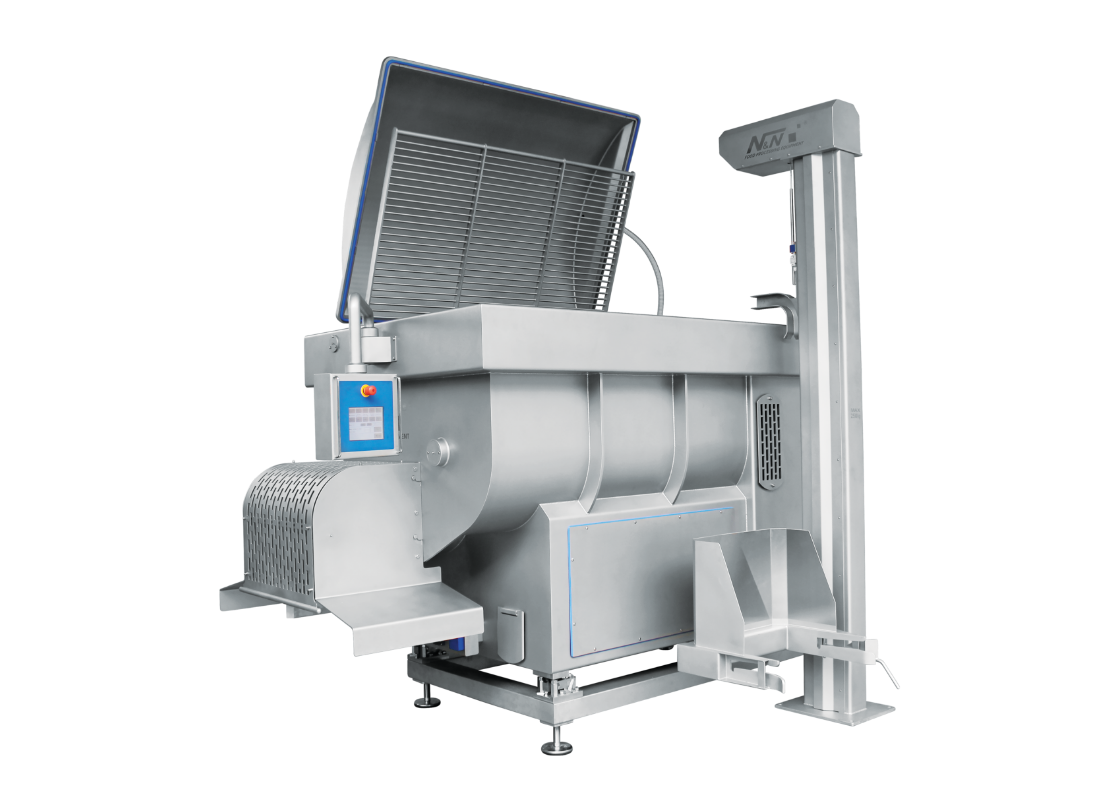
What is an industrial mixer used for?
Industrial mixers are essential pieces of food processing equipment designed to integrate ingredients and ensure consistency throughout a batch. In food manufacturing, industrial mixers are used to mix, blend, and fold ingredients, whether they are powders, liquids, or solids. The primary goal is to achieve uniformity in the final product, which is critical for both product quality and food safety. Industrial food mixers from BAK Food Equipment are engineered to handle a wide range of applications, from delicate blending to heavy-duty mixing of dense or high-viscosity products.
How do different mixer designs affect product quality?
The design of an industrial mixer directly impacts the quality of the finished product. For example, intermeshing paddle mixers are the most versatile mixer and can handle a range of meat and plant-based products. Parallel twin shaft mixers provide thorough mixing and are excellent for applications with medium and high-density products. Ribbon mixers are designed for efficient blending of powders and dry ingredients, ensuring even seasoning distribution and consistent texture. Z-type mixers are robust and capable of handling dense or high-viscosity products, such as dough, promoting effective uniformity in challenging applications. The choice of mixer affects key quality attributes such as seasoning distribution, protein extraction, moisture retention, emulsification, and final texture.
Which mixer types work best for different food applications?
Different food applications require specific mixer types to achieve optimal results. Ribbon mixers are best suited for powders and dry ingredient blends, where even distribution is essential. Paddle mixers excel in handling meats, vegetables, and plant-based proteins as their gentle action minimizes product damage. Z-type mixers are preferred for very dense products, such as doughs where thorough mixing are required. BAK Food Equipment offers a range of industrial mixing equipment and systems tailored to these diverse needs, ensuring that each application benefits from the most suitable technology.
Modern industrial food mixers often feature automation and programmable controls, allowing for precise control over mixing parameters and repeatable results. This not only enhances product consistency but also improves operational efficiency. Additionally, BAK’s mixers are designed with sanitation and food safety in mind, featuring easy-to-clean surfaces and hygienic construction to meet stringent industry standards. By integrating automated mixing systems and prioritizing food safety, BAK Food Equipment helps processors achieve high-quality, safe, and consistent products.
Grinder vs Mixer: Key Operational Differences
How do grinders and mixers differ mechanically?
Grinders and mixers serve distinct roles in industrial food processing lines, each designed for a specific stage in the workflow. Mechanically, grinders use rotating blades and plates to reduce the size of raw materials, such as meat, by applying shear force. This process breaks down large pieces into smaller, uniform particles, which is essential for further processing. In contrast, mixers utilize paddles, ribbons, or other agitation mechanisms to distribute ingredients evenly throughout a batch. Rather than cutting or shearing, mixers focus on achieving homogeneity by folding, mixing, or stirring the product.
What processing step should come first?
In an optimized industrial processing workflow, initial grinding should happen before mixing. The initial grinding step reduces raw materials to a manageable, uniform size, which is critical for effective mixing. Once the product is ground, it can be transferred to a mixer where seasonings, brines, or other ingredients are incorporated. This sequence ensures that flavors and additives are distributed evenly, and that the final product maintains the desired texture and moisture retention.
Can one machine replace the other?
Grinders and mixers are fundamentally complementary rather than interchangeable. A mixer cannot properly grind product, as it lacks the necessary blades and shear force to reduce particle size. Similarly, a grinder cannot achieve the uniform blending required for consistent flavor and texture, as it is designed solely for particle reduction.
Choosing the Right Equipment for Your Production Line
When do you need a grinder, a mixer, or both?
Selecting between a grinder, a mixer, or a combination of both depends on the specific requirements of your production line. Grinders are essential when you need to reduce particle size, such as in meat processing or when preparing ingredients for further mixing. Mixers, on the other hand, are used to blend ingredients to achieve a uniform product, which is critical for consistency in recipes and product quality. In many food manufacturing environments, a mixer grinder or a combination of both is necessary—especially when processing products that require both size reduction and thorough mixing, such as sausage or processed meats. The choice hinges on your product’s texture requirements and the sequence of processing steps.
What factors should processors evaluate?
Several key factors should guide your industrial food equipment selection:
- Product viscosity: Highly viscous products may require specialized industrial mixing equipment to ensure even distribution of ingredients.
- Batch size: The scale of your operation will determine the industrial mixer capacity or grinder size needed to meet production goals.
- Throughput goals: High-volume operations benefit from equipment designed for continuous operation and rapid processing.
- Automation requirements: Automated food production lines can improve efficiency, reduce labor costs, and ensure consistent product quality.
- Sanitation requirements: Equipment should be designed for easy cleaning and compliance with food safety standards, minimizing downtime for sanitation.
- Ingredient sensitivity: Some ingredients require gentle handling to preserve texture or flavor, influencing the choice of mixing or grinding technology.
How does production scale affect equipment selection?
Production scale is a critical factor in equipment selection. High-volume operations often require automated mixing-grinding systems that can handle large batch sizes with minimal manual intervention. These systems not only increase throughput but also integrate seamlessly with conveyors and loaders, streamlining workflow and reducing bottlenecks. Automation in food plant operations leads to significant operational ROI by reducing labor needs, improving consistency, minimizing waste, and maximizing uptime. For smaller-scale processors, flexibility and ease of changeover may be more important than full automation.
At BAK Food Equipment, we view ourselves as a processing partner, not just an equipment supplier. Our team works closely with you to understand your unique production needs and recommend solutions that optimize efficiency, product quality, and long-term value. Whether you require a grinder, mixer, or a fully integrated automated food production line, we are committed to supporting your success at every stage.
Food Safety, Sanitation, and Maintenance Considerations
How do grinders and mixers impact food safety?
Grinders and mixers play a critical role in food safety by ensuring that raw materials are processed in a way that minimizes the risk of contamination. The use of stainless steel construction in these machines is essential, as stainless steel is non-porous, corrosion-resistant, and easy to sanitize, making it ideal for sanitary food processing equipment. Hygienic design features, such as smooth, polished surfaces and sealed covers, prevent the buildup of food particles and bacteria, reducing the risk of cross-contamination. Additionally, equipment that meets USDA, FDA, and HACCP food equipment standards helps processors maintain compliance with regulatory requirements and supports robust food safety management systems.
What sanitation features matter most?
Sanitation features that matter most in grinders and mixers include smooth surfaces with minimal crevices, easy access components, and polished surfaces. Easy access features enable operators to reach and clean hard-to-reach areas, further reducing the risk of contamination. Sealed covers and gaskets prevent the ingress of contaminants and help maintain a hygienic processing environment. These features are crucial for food plant sanitation and are often required for equipment used in HACCP-regulated facilities.
How can processors reduce downtime?
Processors can reduce downtime by selecting grinders and mixers designed for easy maintenance and rapid cleaning. Preventive maintenance is key—regular inspection and servicing of equipment helps identify potential issues before they lead to breakdowns. Industrial mixer maintenance routines should include checking seals, lubricating moving parts, and inspecting for wear. Equipment with quick-disassembly features allows for faster cleaning and reassembly, minimizing production interruptions. By investing in stainless steel food equipment with hygienic design, processors can ensure both food safety and operational efficiency, supporting continuous uptime and reliable production.
Conclusion: Grinder vs Mixer — Why Most Operations Need Both
Why do many facilities require both systems?
Most food manufacturing operations require both grinders and mixers because each addresses a unique processing challenge. Grinders create the foundational texture needed for products like ground meat, while mixers ensure that seasonings, additives, and other ingredients are evenly distributed for consistent flavor and quality. By integrating both industrial food grinders and industrial mixing equipment, facilities can scale production, automate workflows, and maintain high standards across a diverse product range. This dual approach is especially important in meat processing, where texture and consistency are both critical to product success.
How should processors approach equipment investments?
When considering investments in food processing systems, processors should evaluate their entire workflow rather than focusing on individual machines. Assessing production goals, product variety, and future scalability will help determine the right mix of grinders and mixers. Automation and integration are key factors—choosing equipment that can be seamlessly incorporated into automated production lines will maximize efficiency and support long-term growth. BAK Food Equipment offers a comprehensive range of solutions, from standalone industrial food mixers and industrial food grinders to integrated mixer-grinder equipment, designed to meet the evolving needs of food manufacturers. For processors looking to optimize their operations, a holistic approach to equipment selection is essential.
To learn more about how the right combination of grinders and mixers can transform your production line, explore our Industrial Food Mixers, Mixer-Grinder Equipment, and Industrial Food Grinders. Our team at BAK Food Equipment is ready to help you design a solution tailored to your facility’s unique requirements.
